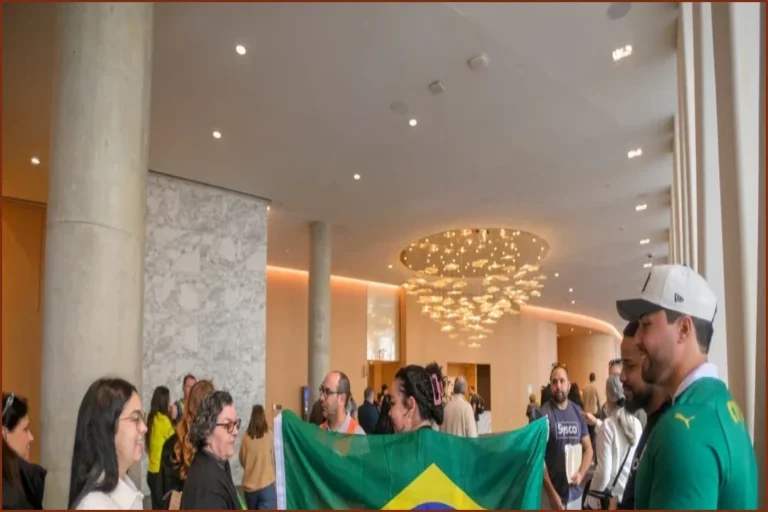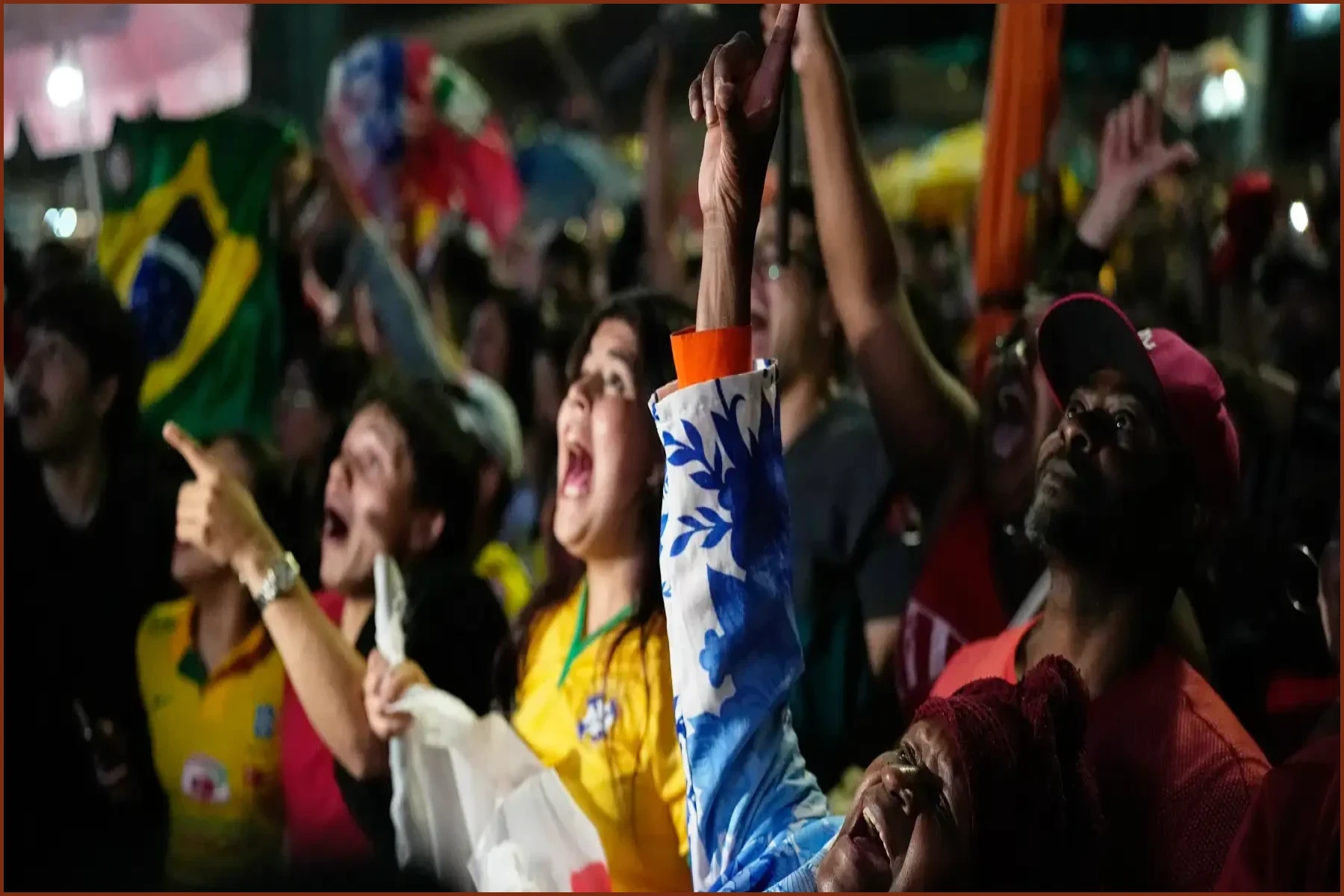
President Luiz Inácio Lula da Silva has been elected to a fourth, nonconsecutive term as the leader of Brazil. Official results from Sunday's runoff election, with more than 96% of the votes counted, show that Lula secured over 51% of the vote. His opponent, 45-year-old Senator Flávio Bolsonaro, received more than 48% of the ballots. This victory allows Lula to extend his political career while successfully fending off a right-wing dynasty that had campaigned on the promise of closer ties with President Trump.
The election day was characterized by significant logistical chaos. Both campaigns requested extensions to voting hours, with Lula's team citing reduced bus services in some areas and the Bolsonaro campaign pointing to heavy rainfall in certain states. Supreme Court Justice Cristiano Zanin eventually granted a nationwide two-hour extension beyond the standard 5 p.m. closing time. However, the order arrived at some polling stations after officials had already deactivated their electronic voting machines, preventing some citizens from casting their ballots. In Rio de Janeiro, 36-year-old accountant Manuela Tunas was unable to vote after arriving at a polling station shortly after 6 p.m. following a flight delay. She described the situation as unfair, noting that the inconsistency in access was absurd.
The election drew intense international interest due to its implications for the future of the Amazon rainforest, the stability of Brazil's roughly 40-year-old democracy, and the broader trajectory of right-wing movements across Latin America. Flávio Bolsonaro, the son of former President Jair Bolsonaro, had pledged to pardon his father, who is currently serving a 27-year prison sentence for plotting a coup to overturn his 2022 election loss to Lula.
While the early months of the campaign saw little public enthusiasm, the contest became highly energized following Flávio Bolsonaro's first-place finish in the October 4 round of voting. This led to a surge in rallies and social media activity from both camps. Ultimately, Lula's focus on social spending and his message of continuity resonated with voters. Alessandra Miguel, a 35-year-old spa worker in the Rocinha favela of Rio de Janeiro, suggested that the mobilization made a critical difference, as voters became increasingly aware of the risks associated with a potential Bolsonaro government.
Lula now faces the challenge of governing a deeply divided nation. Political scientist Jairo Nicolau, who specializes in presidential elections, noted that the rigidity of political allegiances was a defining feature of this contest. According to Nicolau, the sense of belonging to a specific political tribe became more significant to voters than their views on individual policy options, marking a departure from previous election cycles.