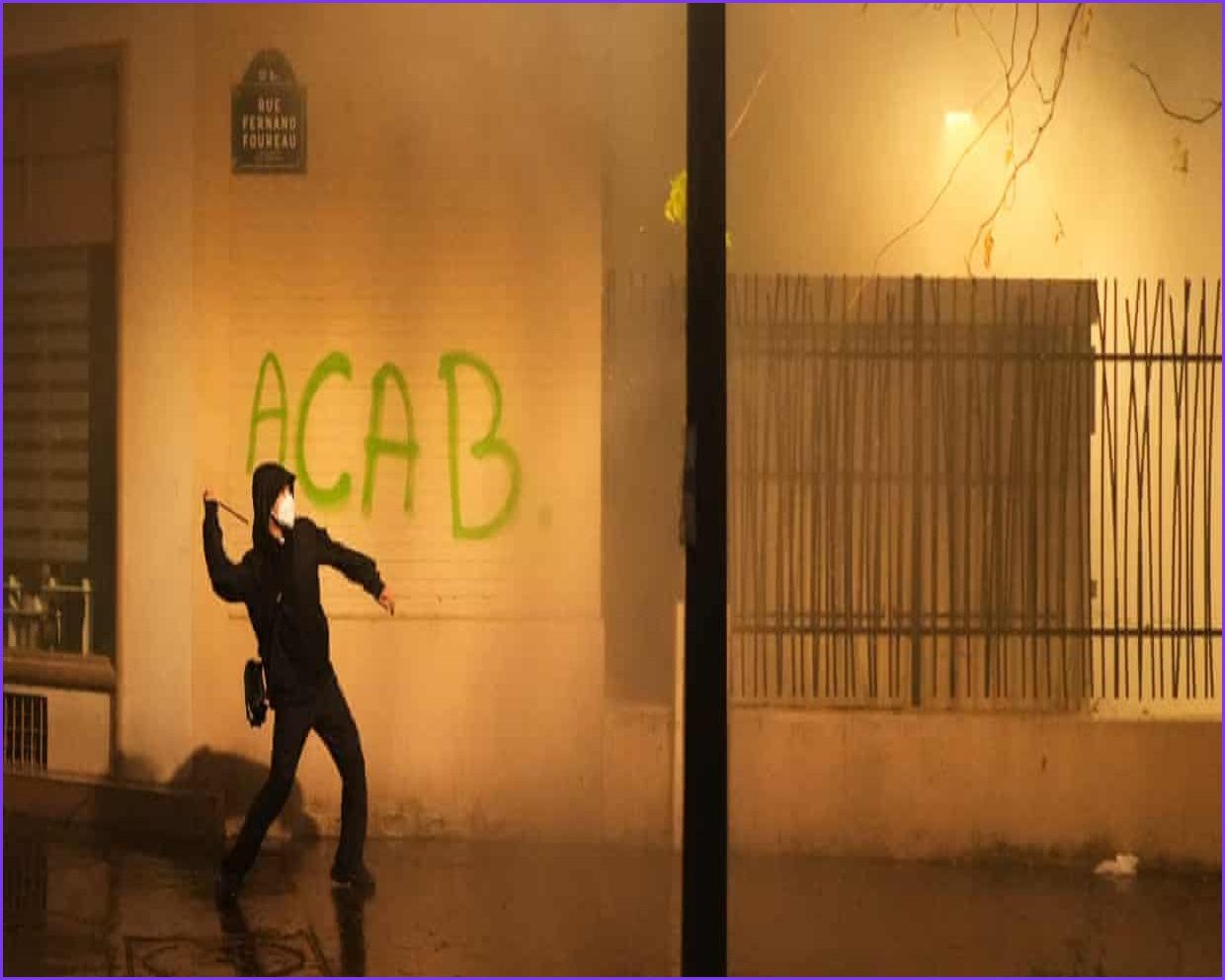
The French government is facing mounting accusations that it is undermining the fundamental right to protest as it fast-tracks a controversial piece of legislation. The proposed “vandals pay” law would make individuals participating in street demonstrations financially liable for property damage caused by vandalism, even if they did not directly commit the acts themselves. Under the bill, a person could be held responsible for up to €10,000 in damages if they were continuing to demonstrate nearby or as part of the same group as the perpetrators. Furthermore, the legislation authorizes increased use of drones to monitor public demonstrations.
Prime Minister Sébastien Lecornu has defended the bill as “absolutely essential,” noting that it was originally drafted following violent clashes that occurred after the Paris Saint-Germain victory over Arsenal in the Champions League last May. The government argues the measure is necessary to address the looting, fires, and vandalism that have marred recent demonstrations across France. This legislative push comes as the administration struggles to contain a growing social crisis, which includes weeks of high-school student blockades demanding school repairs and changes to university application platforms, alongside broader public anger over the cost of living and public services.
Opposition to the bill is widespread among trade unions and civil rights organizations. In an open letter to the newspaper Le Monde, left-wing trade unions and the Human Rights League warned that the legislation is a “serious attack on the freedom to demonstrate” and poses a significant risk to the rule of law. Éric Coquerel, representing the radical left La France Insoumise, stated on Sunday that the law would effectively mean “the end of street demonstrations” in France, as citizens would be deterred by the risk of being held financially responsible for others' actions. Communist senator Fabien Gay echoed this concern, telling the parliamentary channel Public Sénat that no further demonstrations could occur under such conditions.
The political climate is further intensified by the upcoming presidential election. Marine Le Pen, leader of the far-right National Rally (RN), has seen her status as a frontrunner bolstered as she emphasizes a “law-and-order” platform. Le Pen, who is currently appealing a conviction for the embezzlement of European parliament funds, launched her campaign in Orléans on Sunday before a crowd of over 8,000 people. She claimed the “vandals pay” bill was originally an RN idea and vowed that if she were in power, vandals would be forced to pay for damages for the rest of their lives. She argued that the rule of law must be restored in the face of those who ransack and burn buildings.
While President Emmanuel Macron has not declared a state of emergency, local authorities have already implemented significant restrictions on public gatherings, including bans on protests in city centers and near schools, as well as the use of curfews and extended police custody. Serge Slama, a professor of public law at Université Grenoble Alpes, described these measures as “unprecedented” and warned that they could benefit the far right by establishing a framework for further crackdowns. As the Senate prepares to debate the bill this week, Prime Minister Lecornu is scheduled to meet with representatives of protesting high-schoolers on Monday to address their demands for funding and school repairs.
Making innocent protesters liable for damage would be bad for rule of law and play into far-right hands, say opponents