Scientists report being "stunned" by the rapid recovery and growth observed in children's lungs following the implementation of pollution restrictions in London. A study involving more than 3,400 primary school children in London and Luton suggests that the introduction of the Ultra Low Emission Zone (Ulez) in 2019 played a significant role in mitigating the harmful effects of air pollution on developing lungs. The research, which tracked children aged six to nine over a five-year period, provides what experts consider strong evidence that local clean air initiatives can help reduce some of the harm caused by pollution during childhood.
Air pollution is known to stunt the growth of young children's lungs, leaving them at an increased risk of asthma, heart disease, diabetes, and even premature death. Children are particularly vulnerable to these effects because their lungs and immune systems are still developing. Furthermore, when outdoors, children tend to be closer to the ground and nearer to sources of exhaust fumes. In 2020, nine-year-old Ella Adoo-Kissi-Debrah from London, who died following an asthma attack in 2013, became the first person in the UK to have air pollution officially listed as a cause of death.
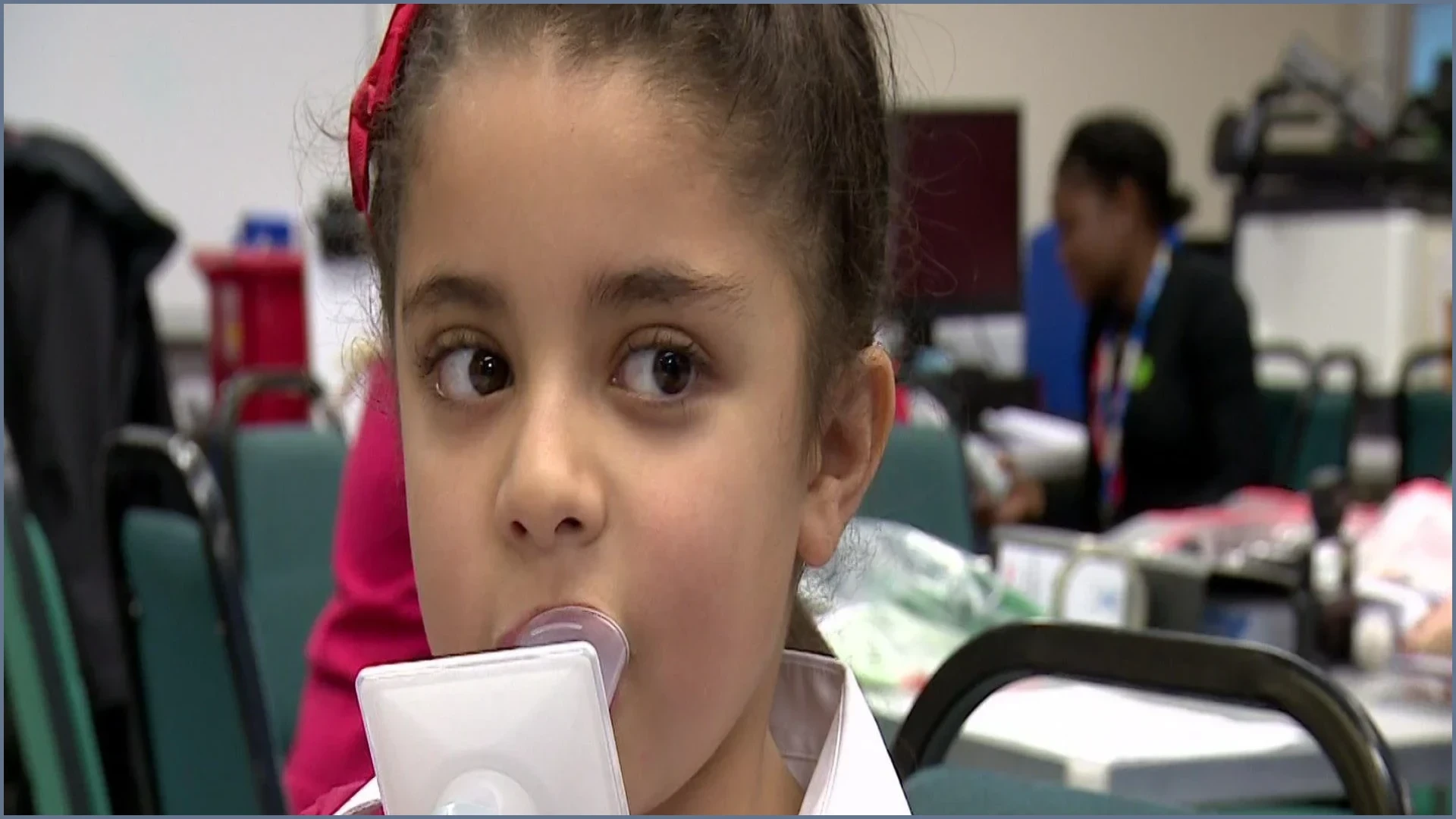
In the study, researchers recruited six to nine-year-olds attending primary schools in London's Ulez and followed the same children for five years, comparing them to a control group in Luton, which is less polluted but shares a similar mix of pollutants. The children were matched in terms of socio-economic background, physical activity, and ethnicity. Participants underwent annual lung function and capacity tests in the year before Ulez was introduced and for four years afterward.
The primary test measured how much air a child could forcibly breathe out in one second after a big breath in. Prof. Griffiths explained that in practical terms, these improvements could mean children in the London group could run as fast as the Luton group without getting out of breath or blow out the same number of candles. Another test for lung capacity also showed significant improvements, though not to the same extent, suggesting there are still gains to be made. Overall, the proportion of children in London whose lung capacity was deemed "clinically impaired"—suggesting lung damage resulting in coughs or breathlessness—fell from 14% to 9%. In Luton, where some smaller-scale measures were in place, the figures moved from 9% to 7%.
The team's measurements also showed that the level of nitrogen dioxide children were exposed to fell faster in London than in Luton over this time. London's Ulez was introduced in 2019 by Mayor Sadiq Khan to "clean up London's air" by charging older, more polluting vehicles to drive in central London, a policy later expanded to cover the whole capital. While the policy had supporters, it also provoked political opposition and protests. Prof. Anna Hansell, at the University of Leicester, who was not involved in the study, noted the improved lung function was "likely to have lifelong benefits for their health" and praised the study as being "carefully conducted by well-respected researchers." She added that the geographical comparison between London and Luton was important given the general reductions in air pollution over time.
Other experts offered additional context. Kevin McConway, emeritus professor at the Open University, argued it was important to take the full impact of Covid into account and suggested studying other cities could help determine if improvements were due to unmeasured differences between London and Luton. Prof. Hansell also noted that the London group might have been more likely to walk or cycle to school once Ulez was implemented. Lead author Dr. Helen Wood, also at Queen Mary University of London, said that while the results were promising, there was no room for complacency as air pollution in both London and Luton, as well as other UK cities, remains above World Health Organization guideline levels. Prof. Griffiths concluded that the findings have global relevance, noting that more than a billion children live in cities around the world, most in polluted environments. The research, which involved scientists from the Universities of Bedfordshire, Oxford, Cambridge, Edinburgh, and Southern California, is published in the Lancet Public Health.