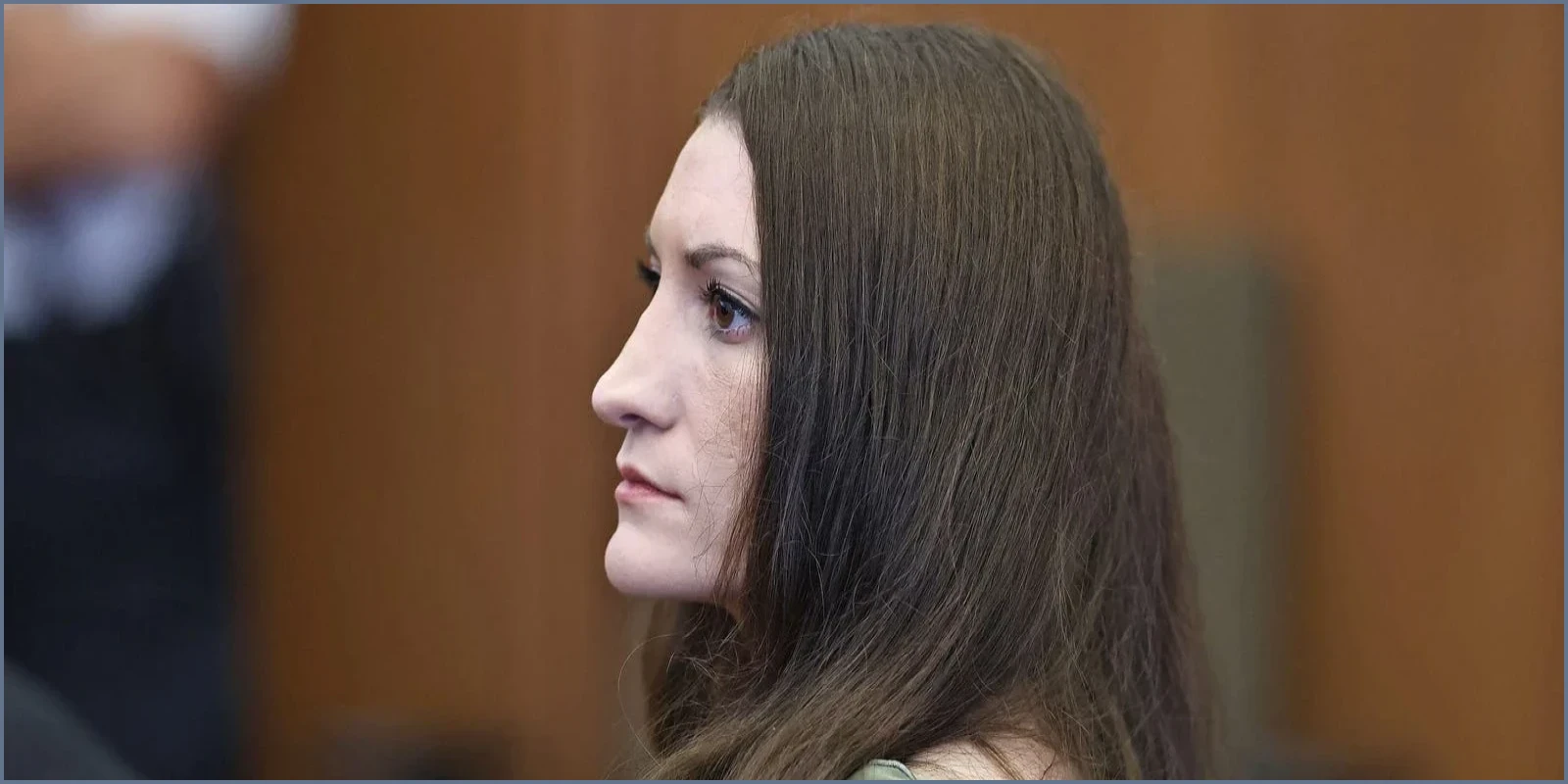
The trial of Lindsay Clancy, the Massachusetts mother accused of killing her three young children, concluded in a mistrial on September 4. Judge William Sullivan issued the decision after a jury consisting of nine women and three men spent more than 38 hours deliberating without reaching a unanimous verdict.
Throughout the deliberation process, the jury informed Judge Sullivan on several occasions that they were at an impasse. Despite the judge's efforts to encourage a resolution, including the use of special instructions known as the Tuey-Rodriguez charge designed to help break a deadlock, the jury remained unable to agree. Prosecutors must now determine if they will proceed with a new trial.
Clancy, 36, has entered a plea of not guilty to murder charges regarding the deaths of her children: 5-year-old Cora, 3-year-old Dawson, and 8-month-old Callan. Authorities state that on January 24, 2023, the children were strangled with workout bands at the family’s home in Duxbury, Massachusetts. Following the incident, Clancy reportedly attempted to take her own life by jumping from a second-story window and inflicting wounds on her neck and wrists, an action that resulted in her paralysis.
While the defense did not contest the circumstances of the children's deaths, they maintained that Clancy was not criminally responsible, citing an insanity defense. Defense attorney Kevin Reddington argued that Clancy was suffering from severe postpartum depression and psychosis at the time, claiming she heard a male voice commanding her to commit the acts. Reddington described her as a loving mother who sought help for her condition, asserting, "She didn't want to get rid of her kids because of her selfish life as the government indicates. She loved those children right up to the time of their death."
In contrast, prosecutors Shanan Buckingham and Jennifer Sprague characterized Clancy as a calculated individual who meticulously planned the killings. They argued that she sent her husband to run errands and pick up food, researching his travel route beforehand to ensure the acts could be carried out. Buckingham described the defendant as "controlling, meticulous and manipulative," suggesting she killed her children because she felt she had lost control over her family life. The prosecution further contended that Clancy manipulated her healthcare providers to receive quick fixes for her symptoms. "This is not a public debate about women's mental health and how the medical system treats women. This case is about this defendant, Lindsay Clancy," Buckingham stated.
The case has sparked significant national discourse regarding maternal mental health and postpartum care, drawing widespread attention and social media commentary, including various conspiracy theories. This article discusses suicide and suicidal ideation. If you or someone you know is struggling or in crisis, help is available by calling or texting 988 or visiting 988lifeline.org.