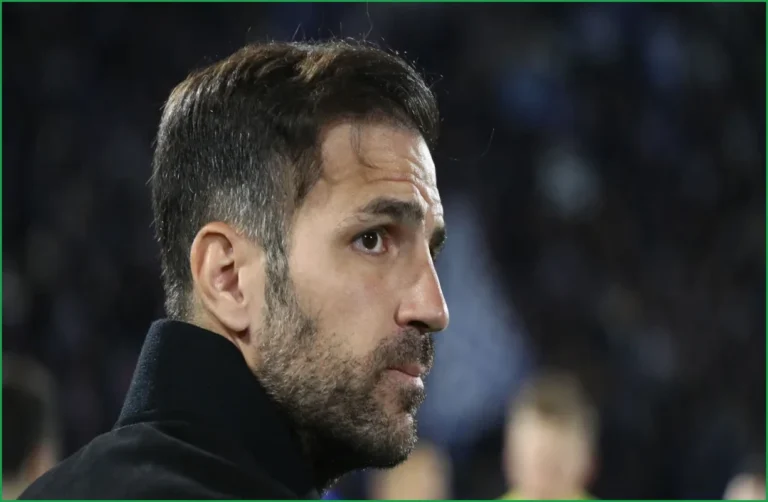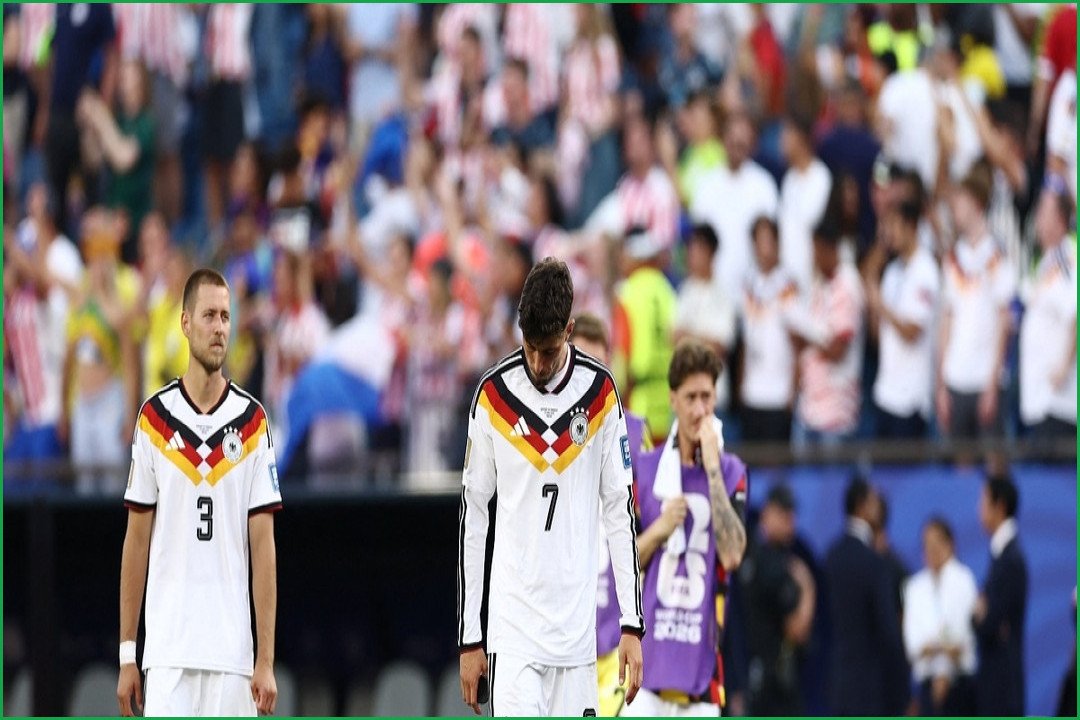
Bayer Leverkusen CEO Fernando Carro has attributed Germany's recent string of international football failures to deep-seated structural, political, and cultural issues within the country. The four-time champions were knocked out by Paraguay in the round of 32 this June, following group-stage exits in both the 2018 and 2022 tournaments.
Carro, 61, who has led Leverkusen since 2018 and oversaw their 2024 Bundesliga and German Cup double, emphasized that while Germany still produces individual talent, the pipeline to the elite level is shrinking. He argued that the nation must prioritize increased investment in youth development, specifically calling for better integration between academic schooling and athletic training.
Infrastructure remains a significant hurdle, according to Carro. He noted that modernization projects are frequently stifled by excessive bureaucracy and slow decision-making processes. As a practical example, he pointed to his own club’s decade-long struggle to gain approval for a new training center, even after reducing the project's scope. He described this as a symptom of a much wider challenge facing the German system.
In contrast, Carro pointed to the success of World Cup finalists Spain and semi-finalists France and England, citing their collective strength, resilience, and ambition. He noted that these nations have consistently invested in modern academies, infrastructure, and coaching development, providing a blueprint that Germany should study.
Regarding the expected appointment of Jurgen Klopp to replace the resigned Julian Nagelsmann, Carro warned that a single coach cannot resolve the long-term structural crises facing the national team. He insisted that sustainable success requires a modern youth development strategy, clear performance principles, and a national willingness to embrace change, noting that the conditions surrounding the coach are just as vital as the individual in the role.