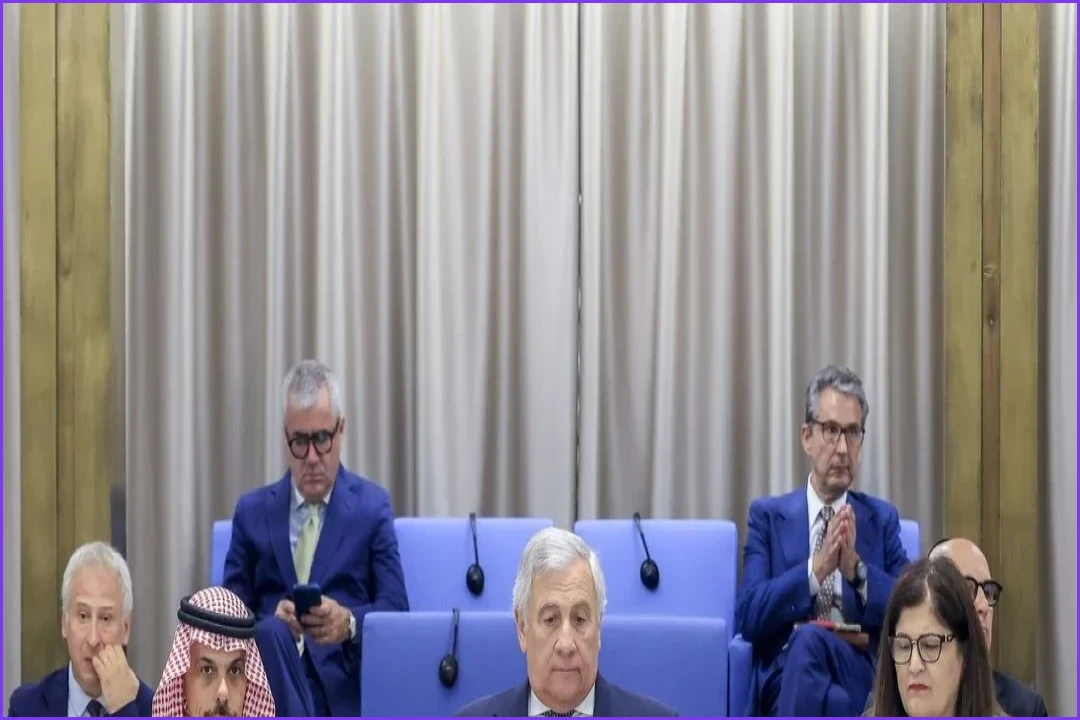
Italy and Saudi Arabia have issued a joint call to preserve the ceasefire in Gaza, ensure the flow of humanitarian aid, and categorically reject any annexation of the occupied West Bank. The diplomatic push followed a meeting in Rome between Italian Foreign Minister Antonio Tajani and his Saudi counterpart, Prince Faisal bin Farhan Al Saud, held on the sidelines of a gathering for the Global Alliance for the Implementation of the Two-State Solution.
In a joint declaration, the two ministers reaffirmed their countries' strategic partnership and expressed their commitment to the outcomes of the alliance's meetings. They voiced strong support for the implementation of UN Security Council Resolution 2803 and the Comprehensive Plan to End the Gaza Conflict. The ministers emphasized the necessity of maintaining the ceasefire, demilitarizing the territory, ensuring unhindered humanitarian access, and backing reform efforts led by the Palestinian Authority.
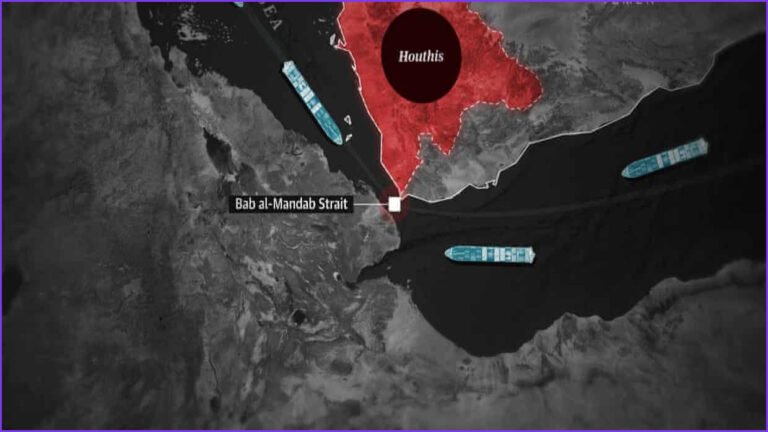
Regarding the West Bank, the officials condemned the rise in settler violence and reiterated their firm opposition to the forced displacement of Palestinians, as well as any form of annexation, whether it be partial, total, or de facto. The discussions also covered regional security, with both nations highlighting the importance of protecting freedom of navigation across critical maritime routes, including the Red Sea, the Strait of Hormuz, the Bab al-Mandeb Strait, and the Gulf of Aden, in accordance with the UN Convention on the Law of the Sea. The ministers acknowledged the role of the EU naval mission EUNAVFOR Aspides, specifically noting Italy's contribution to protecting commercial shipping.
On the conflict in Yemen, the ministers urged all involved parties to pursue a political process toward a comprehensive settlement. They condemned Houthi attacks against Saudi Arabia and reaffirmed their commitment to providing humanitarian and development assistance to the Yemeni people. Additionally, the declaration addressed the strategic importance of the Strait of Hormuz, opposing any unilateral measures that might restrict maritime transit while supporting the Rome Coalition on Fertiliser Access and Food Security in Hormuz. The two sides agreed to continue close coordination to promote regional stability and advance the Global Alliance for the Implementation of the Two-State Solution.