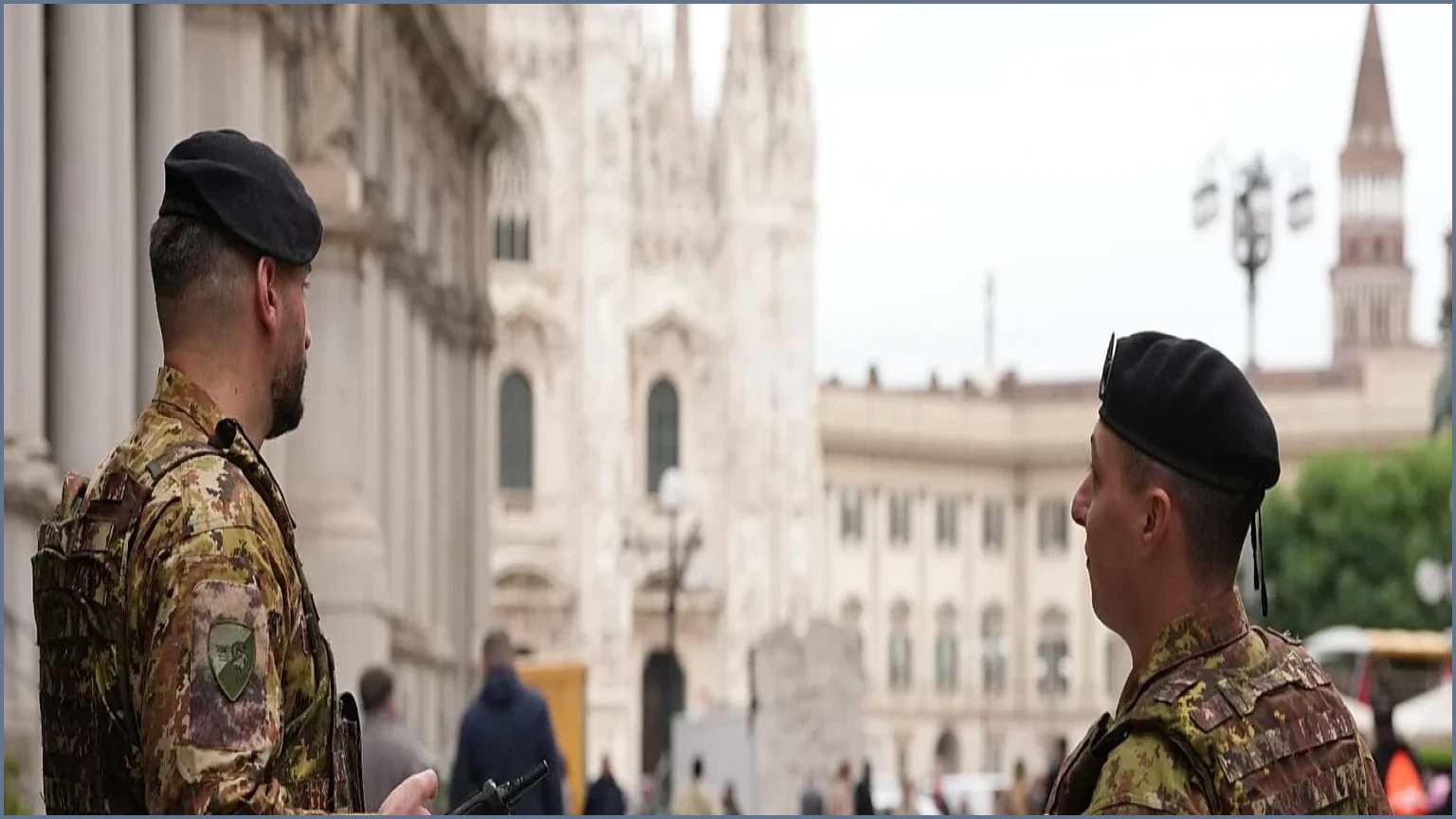
Italian authorities are implementing a comprehensive security lockdown across major cities in anticipation of nationwide demonstrations scheduled for Saturday, 24 October. The protests, centered on the rising cost of living, follow a series of violent incidents on 17 and 18 October, during which hundreds of individuals targeted both retail businesses and law enforcement personnel.
According to the protest tracking website "Mappa della rivolta," more than 30 separate mobilizations are expected, ranging from organized marches and strikes to sit-ins and public assemblies. Cities slated for protest activity include Rome, Milan, Bologna, Genoa, Turin, and Florence.
In the capital, Rome, police headquarters have finalized a security strategy to address both pre-notified demonstrations and spontaneous rallies coordinated online. Approximately 1,500 officers will be deployed to monitor key areas, including city squares and railway stations. Beyond standard ground units, authorities are integrating advanced surveillance, utilizing drones from the State Police's 1st Flight Department alongside aircraft operated by the Carabinieri. Furthermore, the Rome Cybersecurity Centre is working in tandem with the State Police’s specialized Digos division to monitor social media activities.
Officials have expressed concern over the digital organization of these events, noting that platforms like Telegram, TikTok, and Instagram are being used to circulate tactical advice. Guides currently circulating online instruct participants on how to prepare for potential clashes, including recommendations on clothing, behavior during disorder, and the use of items such as vinegar or painkillers to mitigate the effects of tear gas.
In Turin, a specific demonstration is planned for 2 p.m. in Piazza Arbarello, organized by activists from the antagonista scene associated with the former Askatasuna social center, alongside students and members of the 17 October Movement. These preparations follow a series of police actions on Friday, during which Digos conducted searches targeting approximately 100 individuals—51 of whom were minors—across cities including Bari, Bergamo, Florence, Genoa, and Verona.