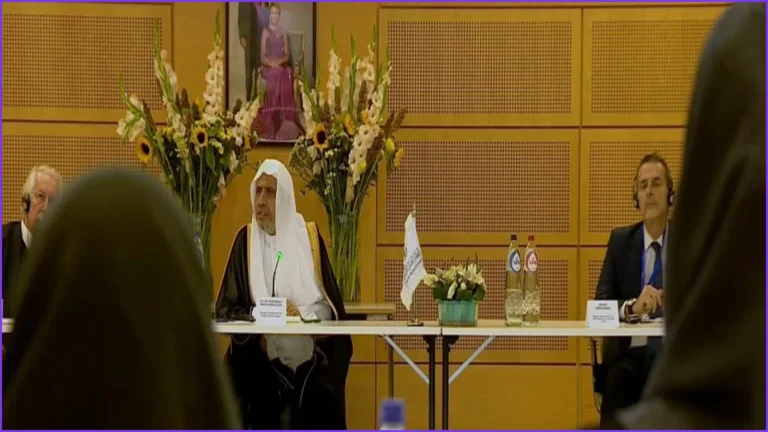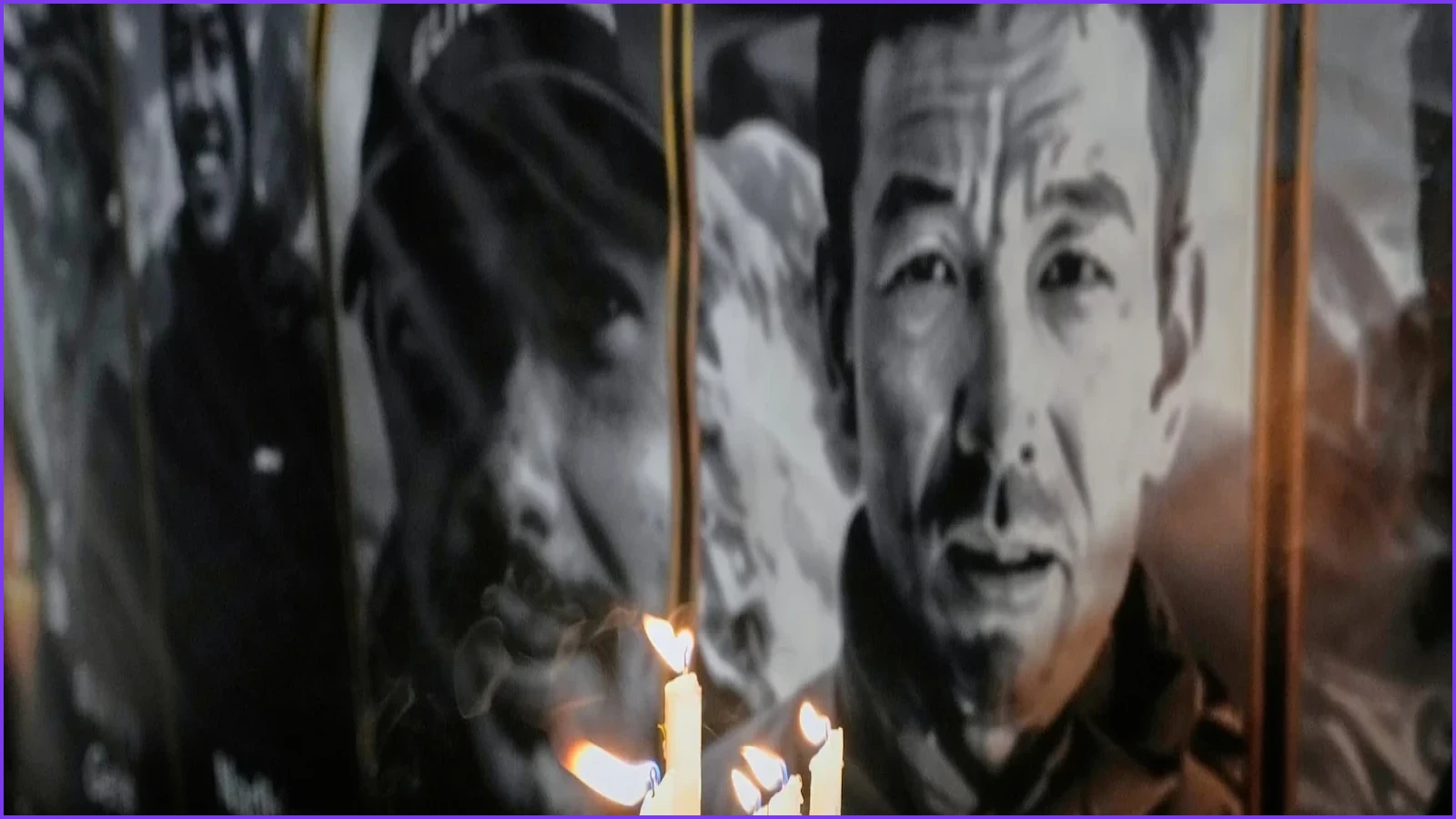
Mountaineers, diplomats, and members of civil society gathered in Pakistan’s capital on Tuesday evening for a candlelight vigil to honor the 10 climbers who lost their lives in a devastating avalanche on Broad Peak. As rain fell on the open lawns of a sports complex in Islamabad, mourners shielded their flickering candles and prayed for the climbers who never returned from the mountain. The event served as a somber tribute to the victims of the July 30 disaster, which struck an international expedition and claimed the lives of mountaineers from Nepal, Oman, Pakistan, China, Britain, and the United States.
The vigil took place just days after search teams concluded an arduous operation that successfully recovered the remains of eight climbers. Two bodies from the group have not yet been recovered. Among those who perished was the renowned British-Nepali mountaineer Nirmal Purja. Nepal suffered the loss of six climbers in the tragedy. Rita Dhital, Nepal’s ambassador to Pakistan, attended the ceremony to pay her respects. She shared memories of meeting Purja at her home in Islamabad prior to the expedition, recalling how he often told her, “Giving up is not in my blood.”
Ambassador Dhital expressed her deep gratitude to the Pakistani rescuers and climbers who braved dangerous weather conditions to search for the missing and recover the bodies. She specifically commended renowned Pakistani mountaineer Sirbaz Khan for leading the recovery team, while also thanking the Alpine Club of Pakistan, the military, and government officials for their involvement. Dhital confirmed that the remains of all six Nepalese climbers have been successfully returned to their families.
Sirbaz Khan, who led the recovery efforts, spoke to The Associated Press about the emotional and physical toll of the mission. He explained that he and his team had set out with the hope of finding the missing climbers alive, stating, “I had hoped that I would hug them after finding them alive.” Instead, the rescuers were met with the grim reality of finding the climbers buried beneath the snow. The team used shovels to dig through the avalanche debris to recover the bodies one by one. Khan described the experience of seeing fellow mountaineers dead on the mountain as incredibly difficult, but noted that the team composed themselves to carry out the task of bringing the remains down using ropes and makeshift stretchers. He expressed that he remains deeply saddened by the loss but finds some solace in knowing that the families were able to receive the remains of their loved ones.
Irfan Arshad Khan, president of the Alpine Club of Pakistan, addressed the attendees to commemorate the fallen comrades. He explained that the recovery operation was hampered by severe weather, which repeatedly prevented helicopters from reaching the accident site. This forced rescuers to conduct much of the search and recovery on foot, a feat he described as a true test of their endurance and courage. Eight bodies were eventually transported to a location where they could be airlifted. Broad Peak, which rises 8,051 meters (26,414 feet) above sea level in the Karakoram range, is the world’s 12th-highest mountain and is situated near K2, the world’s second-highest peak. Mountaineering accidents are a frequent occurrence in northern Pakistan, a region home to many of the world’s highest mountains.