An Iranian court has sentenced 20-year-old twin sisters Taraneh and Romina Rahimi to death and 25 years in prison, respectively, following their arrest during widespread anti-government protests. The harsh sentences, which recently emerged from the judiciary in Isfahan, have devastated their family and highlighted the regime's ongoing campaign to suppress dissent.
The twins were 19 and still in high school when masked men, later identified as agents of the Islamic Revolutionary Guards Corps (IRGC), abducted them from their beds in the dead of night. For four months, their mother, Marzieh Nourmohammadi, searched desperately for information, visiting hospitals and state institutions. She finally learned their whereabouts when she was summoned to Dowlatabad prison in Isfahan, central Iran, in May.
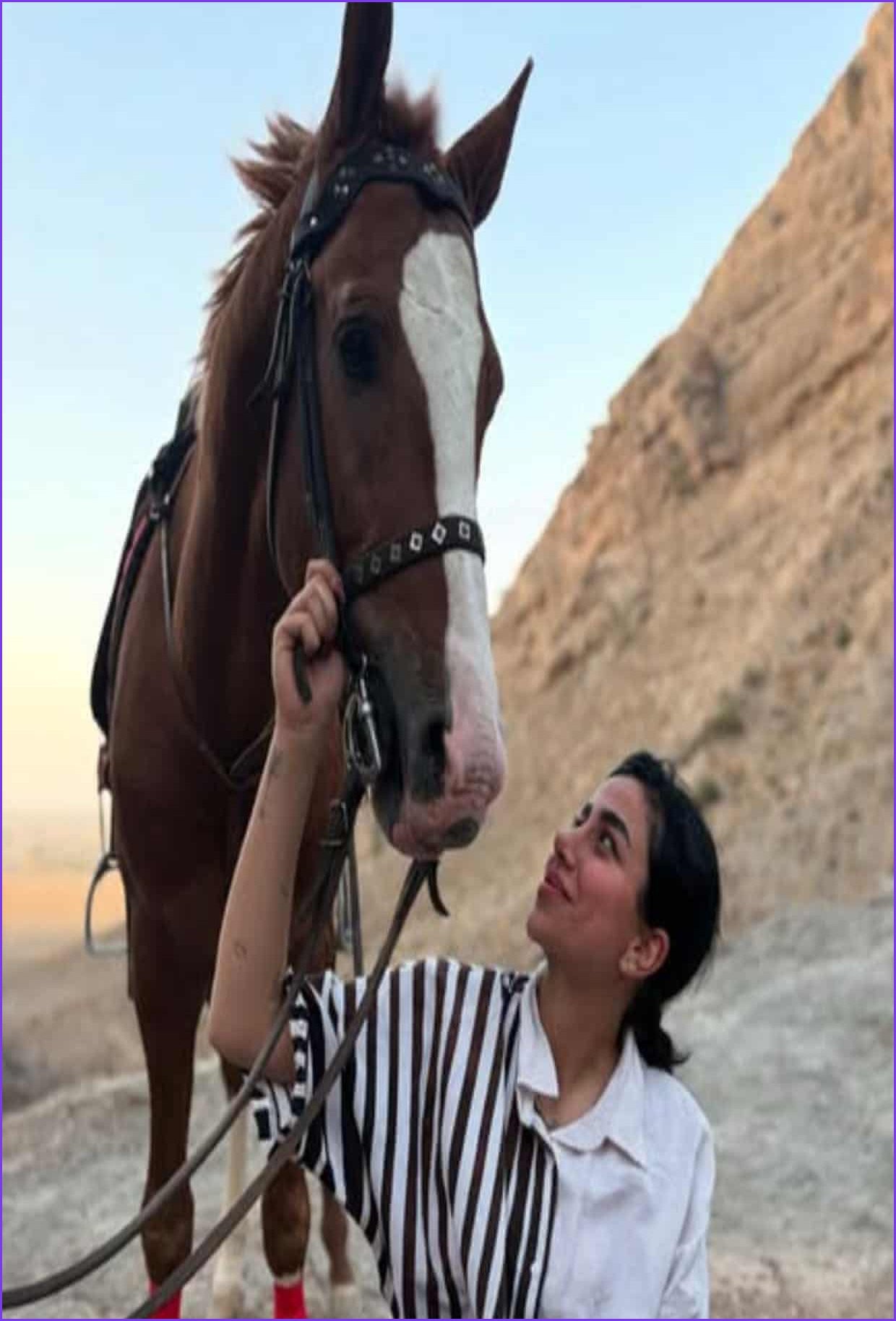
During that prison visit, the mother found her daughters unrecognizable. According to their U.S.-based cousin, Masoud Nourmohammadi, the sisters had been subjected to severe torture in solitary confinement. They suffered from broken elbows, knuckles, and feet, and their faces were heavily bruised and swollen. Their scalps were patchy because guards had dragged them between cells by their hair. Furthermore, interrogators allegedly threatened Taraneh, who dreams of running her own horse stable one day, that prison guards would rape Romina in front of her if she refused to sign a confession.
Despite the severe abuse, the sisters' mother, who raised the twins on her own, was barred from attending their trial. Defense lawyers stated that Taraneh told the court her confession was extracted entirely under torture. No evidence was presented to show that either sister had engaged in any violence, and neither had ever participated in political protests before joining the massive demonstrations on January 8 and 9 alongside millions of others. Ultimately, the court handed Taraneh a death sentence by hanging, while Romina was sentenced to 25 years in prison. The family has not been allowed to see the twins since the sentencing, and the reason for the disparity in their sentences remains unexplained.
Speaking from Utah, where he works as a healthcare IT specialist after arriving in the U.S. from Iran 22 years ago, 43-year-old Masoud Nourmohammadi expressed despair over the arbitrary nature of the Iranian judicial system. He noted that the regime frequently ignores its own laws, including an 18-day window for lawyers to file appeals. "They just sentence and take the kids and execute them and hang them. So I mean, nothing, nothing really makes sense," he said. Nourmohammadi believes Taraneh was targeted with the death penalty precisely because of her obvious innocence. "You can see her eyes and you know right away that she is a kind person," he said. "My sense is like they’re looking to put fear within the people, to say: ‘Look, no matter how fine you are, no matter how innocent you are, we can get you, and don’t come to the streets any more.’" He continues to speak out despite receiving death threats online and via text messages targeting his home address.
The sentences come amid a massive wave of executions in Iran, which has put more than 500 people to death this year despite the logistical difficulties of a war with the United States and Israel that began in February. This total includes at least 29 people executed in connection with the January demonstrations, among whom were at least 16 women. In Isfahan alone, more than 70 individuals are currently facing the death penalty or charges that carry it. The international community has repeatedly condemned the executions, with the United Kingdom and 30 other nations signing a joint statement last month denouncing the regime's efforts to silence dissent.