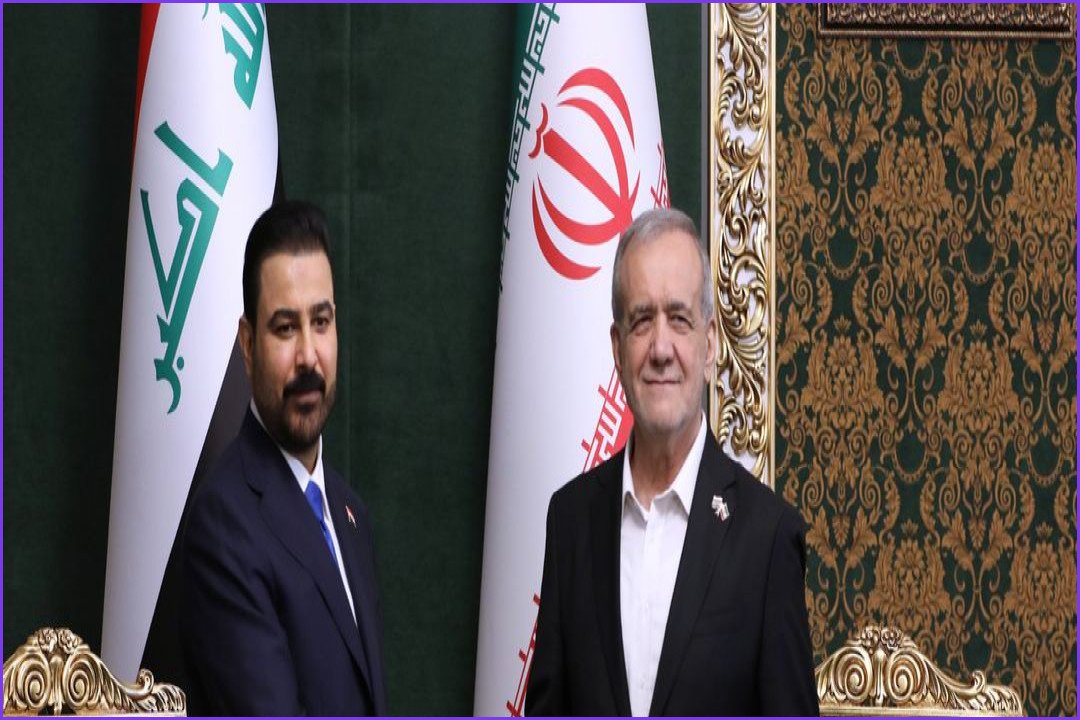
Iran has officially rejected a ceasefire proposal from the United States that was delivered by Iraqi Prime Minister Ali al-Zaidi, according to reports. The development comes as the ongoing conflict between the two nations has stretched into its second week. Officials from both Iran and Iraq familiar with the discussions indicated that al-Zaidi presented the proposal during his visit to Tehran, which followed his recent meetings with US President Donald Trump at the White House.
While specific details of the US proposal remain unclear, Iranian officials identified it as the sole offer currently on the table. Tehran reportedly declined the initiative because it failed to address the critical issue of control over the Strait of Hormuz. This visit marked al-Zaidi’s first official trip to Iran since he assumed office in May, during which he led a high-level ministerial delegation to meet with President Masoud Pezeshkian. Their discussions covered bilateral relations, regional stability, and the implementation of previously established agreements regarding trade, energy, and transportation.
In addition to meeting with the president, al-Zaidi held talks with Parliament Speaker and chief negotiator Mohammad Bagher Ghalibaf, as well as Foreign Minister Abbas Araghchi. Meanwhile, the military situation remains volatile. US Central Command (CENTCOM) confirmed that US forces conducted strikes against Iranian targets for the 13th consecutive night as of early Friday. Iranian authorities reported on Wednesday that the death toll from the strikes has reached 53, with 592 individuals wounded.
Tensions escalated sharply after President Trump announced on July 8 that the ceasefire outlined in last month’s US-Iran memorandum of understanding was no longer in effect. In response to the ongoing military exchanges, Iranian officials have expressed concerns about the potential for a wider conflict. They warned that if the US continues to threaten Tehran and its critical infrastructure, Iran is prepared to expand the war regionally. This could involve targeting Tel Aviv and potentially requesting that Yemen’s Houthi group close the Bab al Mandab Strait. The current confrontation has already disrupted shipping routes, threatened energy supplies, and led to intermittent airspace closures across the region.