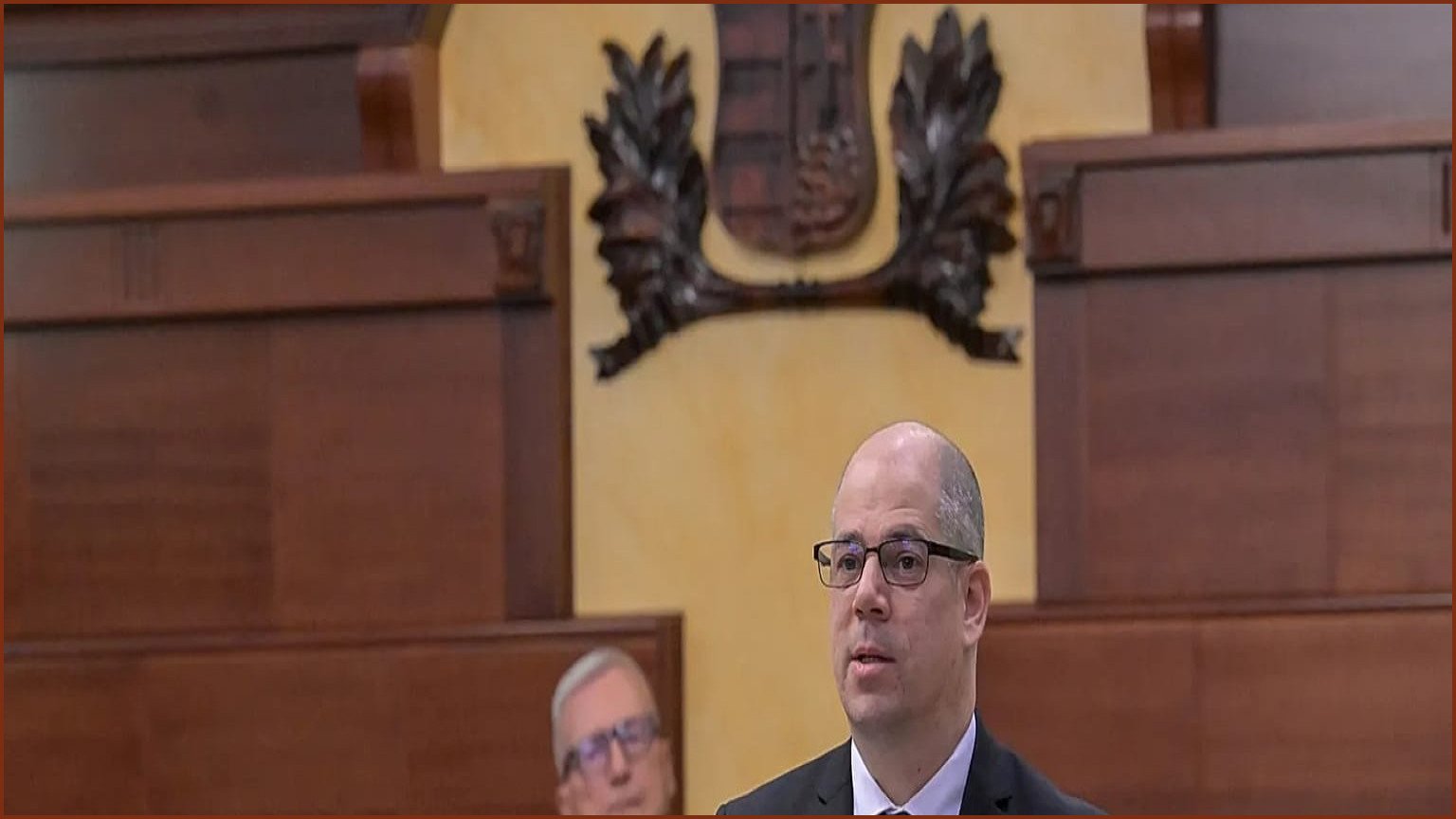
Gábor Bálint Nagy, the Prosecutor General of Hungary, has officially resigned from his position. The move comes as a direct result of mounting pressure from Prime Minister Péter Magyar, who has been actively seeking to remove key government officials appointed during the tenure of Viktor Orbán.
In a formal statement regarding his departure, Nagy explained that he was stepping down to protect the integrity and independence of the prosecutor's office. He expressed strong condemnation regarding the political pressure currently placed upon the institution. According to Nagy, the prosecution service should not function as an instrument for political actors, nor should it serve as a stage for power games or daily political interests. He further stated that he no longer wished to participate in a conflict he described as being built on false premises and serving political ends.
Prime Minister Magyar responded to the news by welcoming the resignation, characterizing the departure as a sign that the country is freeing itself from what he termed an "Orbán puppet." Since his landslide victory in the April elections, Magyar has consistently campaigned for the removal of senior officials from the previous administration. This shift in leadership follows a broader trend, as President Tamás Sulyok recently signed a constitutional amendment to end his own mandate over the weekend.
Nagy’s tenure, which began last year, had also faced scrutiny from legal representatives of a group of Ukrainian cash couriers. These lawyers accused the Prosecutor General of acting on political orders. The controversy stems from an incident in early March, when two vans carrying significant amounts of cash and gold destined for Oschadbank's headquarters in Kyiv were intercepted near Budapest after leaving Vienna. The crew was detained, questioned, and subsequently expelled from Hungary, while the assets were seized.
Lóránt Horváth, the lawyer representing Oschadbank and the seven detained Ukrainians, suggested that those responsible for the operation should have faced legal consequences themselves. Horváth told reporters that because the chief prosecutor overseeing the investigation was appointed by the previous government, there was a possibility he was providing a safety net or political support for his former associates. The Prosecutor's Office has consistently denied any political motivation regarding the operation.