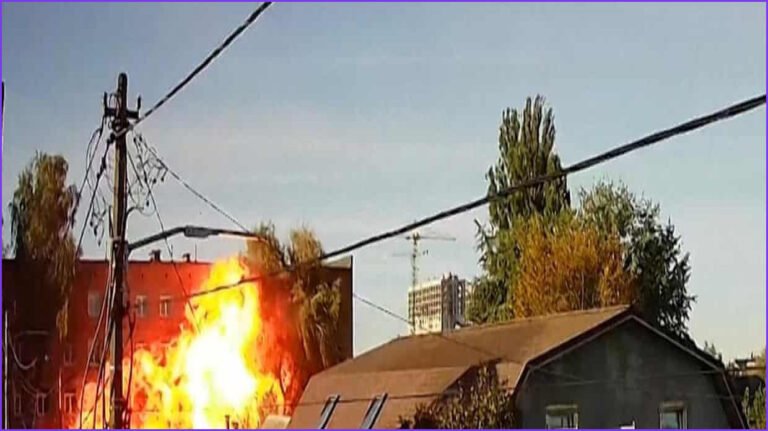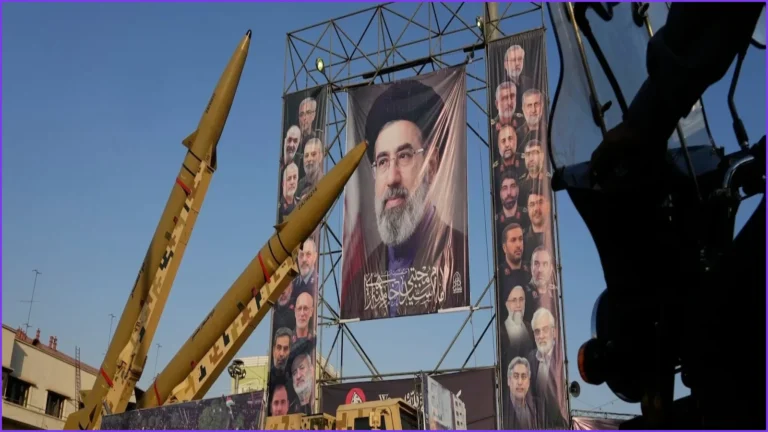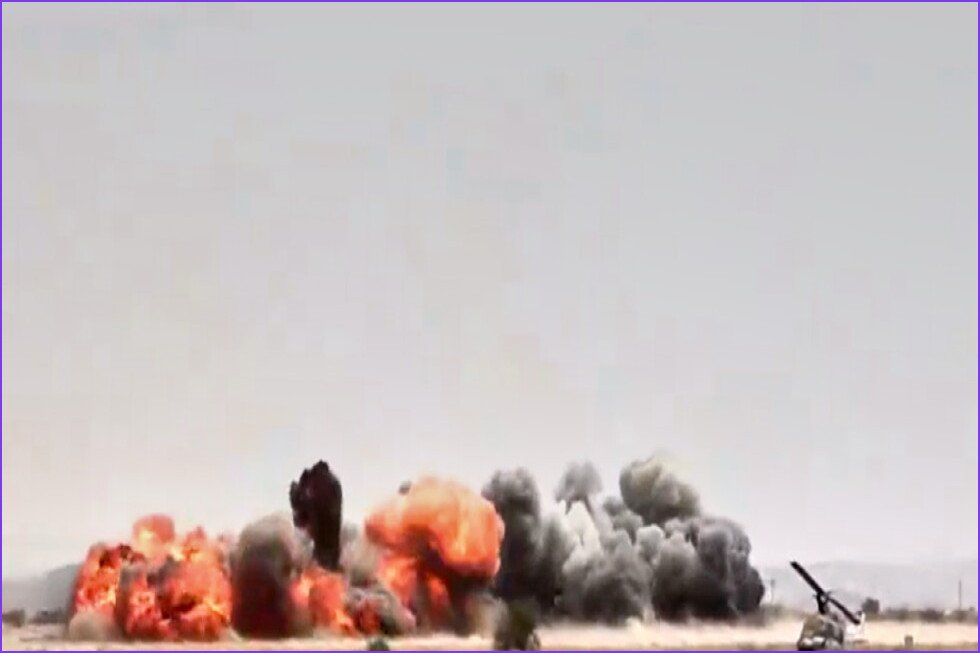
Iran-backed Houthi rebels launched a series of missiles and drones targeting Saudi Arabia’s Abha International Airport on Monday, July 13, 2026. This offensive served as a direct retaliation for airstrikes that hit Sanaa International Airport earlier that same day, which the rebels blamed on the Saudi-led coalition. While no casualties were reported in the exchange, the events represent a significant escalation in the conflict, marking the most intense flare-up between the two sides since the onset of a period of relative calm several years ago.
Multiple blasts were observed at the Sanaa International Airport compound on Monday. Video footage broadcast by the Houthi-controlled Al-Masirah television network showed a projectile striking a runway at the facility, followed by a loud explosion. In response to the day's events, the internationally recognized government in Yemen announced that all airports in the country were closed until further notice, with immediate effect. The Yemeni defense ministry also issued orders to evacuate the Sanaa airport and its surrounding areas.
The internationally recognized government provided a specific rationale for the strikes on the capital's airport, stating they were intended to prevent an Iranian plane from landing. Rashad al-Alimi, who leads Yemen’s ruling Presidential Leadership Council, confirmed that the government had denied a request from Iran to operate a Mahan Air flight from Tehran to Sanaa. The council stated that the Houthis had insisted on receiving the Iranian flight outside of the legal and sovereign frameworks that govern civil aviation. Yemen’s defense minister, Gen. Taher al-Aqili, stated on X that the runway was struck specifically to stop the Iranian plane, which was reportedly transporting a Houthi delegation returning from the funeral of Iran’s Supreme Leader Ayatollah Ali Khamenei. The Houthis later claimed the aircraft was diverted to Hodeida Airport, where it successfully landed.
Houthi military spokesman Brig. Gen. Yahya Saree issued a warning via Telegram, cautioning airlines against flying through Saudi airspace. He stated that these warnings should be taken seriously until the blockade on Sanaa International Airport is lifted, adding that the Saudi-led aggression would not go unanswered or unpunished. Saree had previously described the Saudi airstrikes as the end of a period of de-escalation. Regarding the retaliatory attack on Saudi soil, Maj. Gen. Turki al-Malki, the official spokesperson for the Saudi-led Coalition to Restore Legitimacy in Yemen, stated on X that Saudi air defenses had successfully dealt with ballistic missiles launched by the Houthis toward the southern region, though he provided no further details.
The international community reacted with concern to the sudden breakdown of stability. The U.N. Security Council held an emergency meeting on Monday afternoon to discuss the developments. U.N. Assistant Secretary-General for political affairs, Khaled Khiari, told the 15-member council that Yemen and the wider region cannot afford another cycle of escalation and called on all actors to engage in constructive negotiations under U.N. auspices. Hans Grundberg, the U.N. special envoy for Yemen, also released a statement confirming his office is monitoring the situation and expressed concern about the risk of a wider escalation, urging all parties to preserve the relative calm that has existed since 2022.
Yemen’s civil war began in 2014 when the Houthis seized the capital, Sanaa, and much of northern Yemen, forcing the government into exile. A Saudi-led coalition, which has included the United Arab Emirates, intervened in 2015 to restore the government to power. Tensions between the two sides had already been rising earlier this month, with the Houthis alleging that Saudi planes violated their airspace to prevent an Iranian plane from carrying a Houthi delegation to Tehran for the funeral of the Iranian Supreme Leader. The recent events highlight the fragility of the situation in a country that has been divided by years of fighting.