Ukrainian President Volodymyr Zelenskyy has confirmed the first combat use of the nation's new FP-7 tactical ballistic missile. In a statement posted to Telegram on Thursday, Zelenskyy hailed the milestone, stating: “First combat use. Thank you for the result. Next – production.” While the president did not disclose specific locations or details regarding the missile's deployment, the event marks a significant advancement for Ukraine’s domestic military capabilities.
The missile is produced by Fire Point, which reports that the system is currently being developed as a ballistic interceptor. This effort is part of the European missile defence programme known as Freyja, which was launched earlier this year. Military analysts in Ukraine have characterized the FP-7 as a short-range weapon with an operational range of approximately 200km (125 miles). Experts have drawn comparisons between the FP-7 and the US Army Tactical Missile System, noting that the Ukrainian version is significantly more cost-effective. Developing such tactical missiles has become a key strategic priority for Ukraine as it seeks to counter Russia's frequent use of similar weaponry in the ongoing conflict.
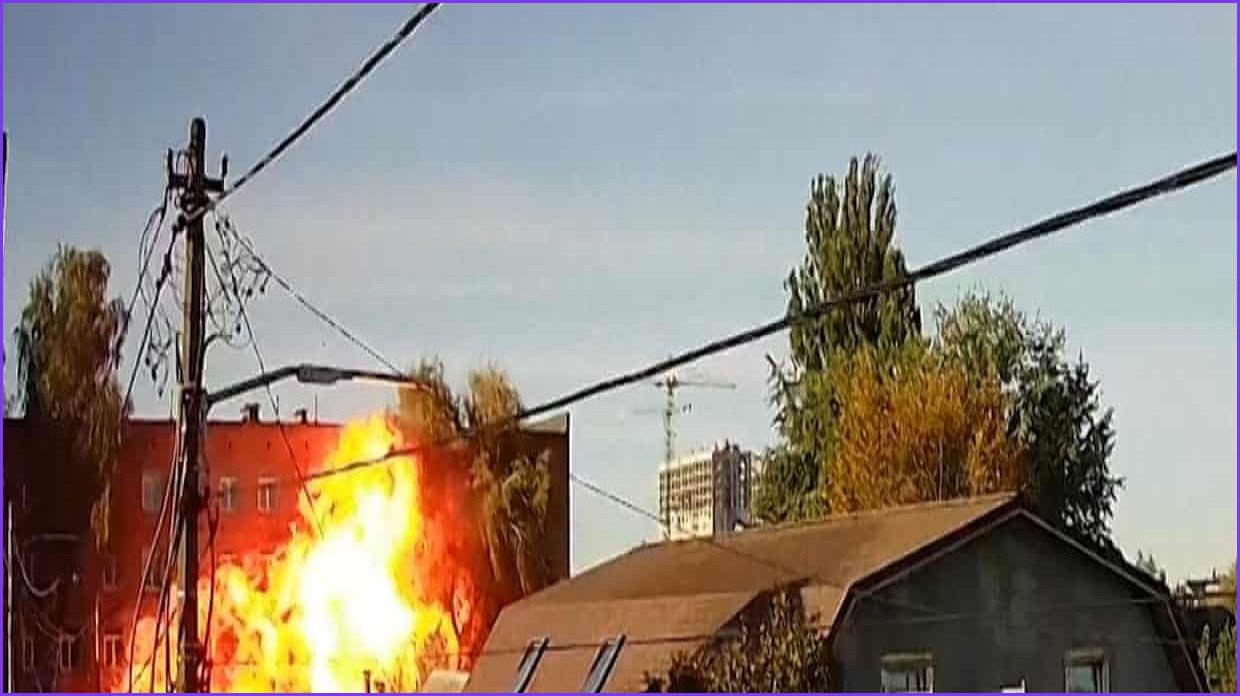
The announcement followed a day of intense Russian military activity. On Thursday, Russian drones struck a school in Kyiv and a major bridge crossing the Dnipro River, resulting in fires across the capital. City officials confirmed that the school was hit early in the morning, though no injuries occurred as all students were sheltered. Mayor Vitali Klitschko reported that two drones struck the Southern Bridge around midday, with a subsequent evening strike causing further damage to a support structure, a portion of the road, and protective elements near the metro line. On Wednesday, Russian forces had also initiated what officials described as the start of a cold-weather strike campaign against the national power grid.
Beyond the immediate battlefield, Ukraine continues its campaign against Russian oil infrastructure, defying opposition from Donald Trump, who has argued that these strikes exacerbate global diesel shortages and drive up fuel prices. Zelenskyy reported that a facility in the Samara region was hit overnight, alongside a Russian vessel in the Black Sea and a drone launch and storage site in the Oryol region. Ukrainian estimates suggest these operations have knocked out more than 45% of Russia's refining capacity, leading to fuel rationing and long queues at petrol stations in some regions. Meanwhile, the Trump administration has reportedly warned Germany and France to draw down emergency diesel inventories to help stabilize global prices or face a potential US export ban.
International tensions remain high as trade ministers at a G20 meeting in Milwaukee condemned Russia’s targeting of grain sectors, with French minister delegate for international trade, Nicolas Forissier, stating it was “not acceptable” for countries to target food supplies. Additionally, Moscow issued warnings to NATO, stating it would not hesitate to use nuclear weapons to defend the Kaliningrad exclave if alliance members attempted to cut it off. Regarding seized Western assets, Vladimir Putin stated on Thursday that assets belonging to companies like Nestlé, Auchan, and Metro could be returned under a “favourable scenario,” while reiterating that Russia prefers to end the conflict through talks and desires a neutral Ukraine.