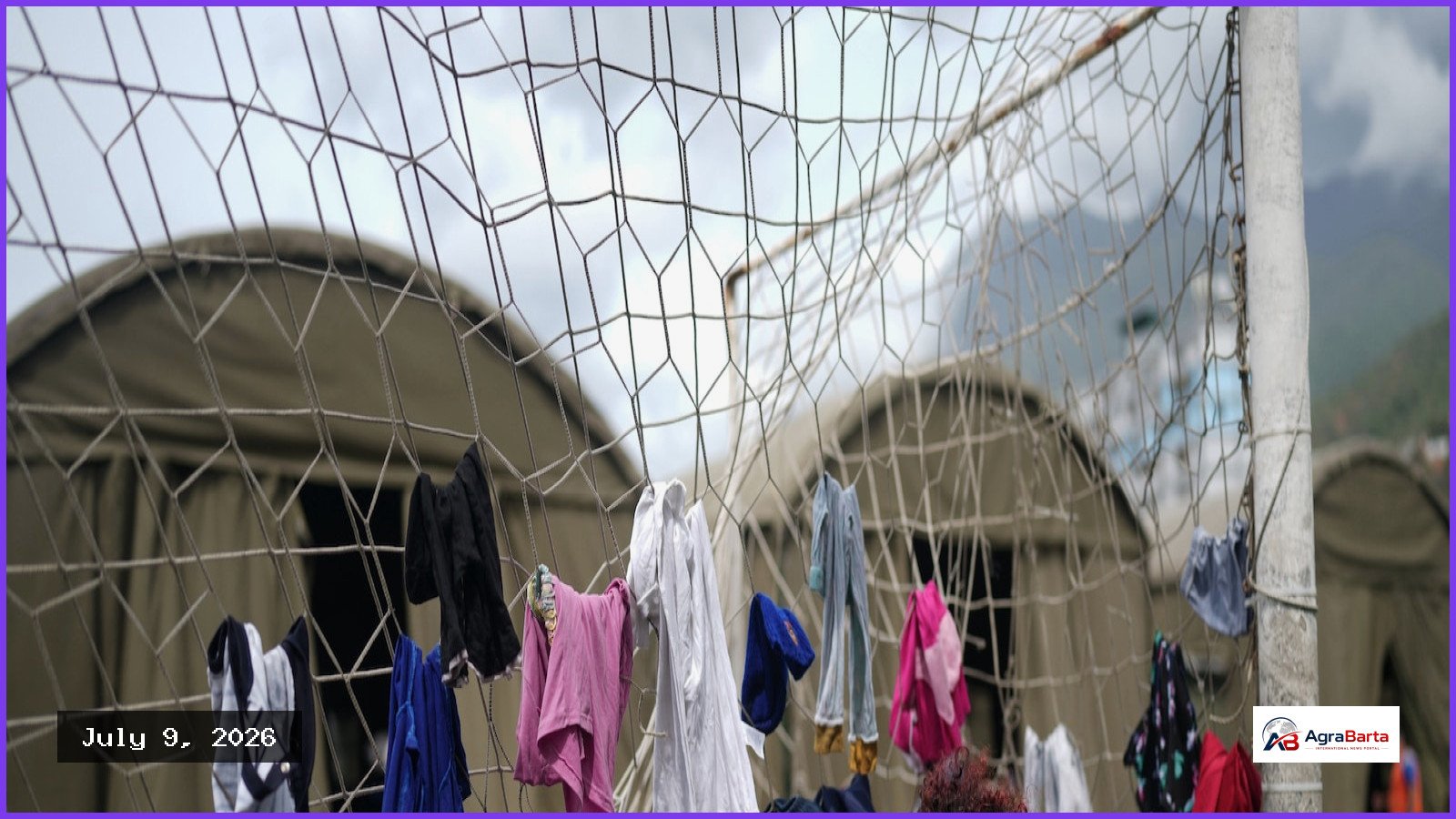
In the wake of the powerful twin earthquakes that struck Venezuela last month, victims of the disaster as well as people spared by the destruction on Thursday flooded relief services provided by nongovernmental organizations in the hardest-hit areas. The surge in demand for medical assistance arrives as the United Nations has launched an appeal for approximately $300 million to support 1.3 million people in urgent need. The northern state of La Guaira has become a focal point for the recovery, with mobile clinics, field hospitals, and kitchens now established in public spaces to address the mounting humanitarian crisis.
U.N. relief chief Tom Fletcher, during a visit to the region, noted that after two weeks, the nature of the emergency has shifted. Survivors are no longer presenting only with trauma-related fractures; they are now seeking treatment for long-term health needs that were previously neglected. Doctors working in the Catia La Mar community have reported a sharp rise in skin conditions, diarrheal diseases, and an increased demand for essential medications to manage chronic illnesses like high blood pressure and diabetes. These health issues are largely attributed to poor sanitation and crowded living conditions, which existed in many areas even before the seismic events.
The scale of the disaster is significant, with Venezuelan officials reporting that 190 buildings collapsed and 856 others sustained damage. Acting President Delcy Rodríguez’s government estimates that roughly 18,000 people have been displaced, now residing in parks, schools, sidewalks, and other public areas. Among those seeking help is 67-year-old Irma Echarri, who visited a mobile unit hoping for refills on her standard medications and treatment for pain developed following the June 24 earthquakes. Another survivor, 41-year-old Zulbey Reyes, sought help from a clinic run by the local group Paluz and the International Rescue Committee for chest pain, which was diagnosed as inflammation caused by the trauma of the event.
According to the U.N. Office for Disaster Risk Reduction, the direct physical damage to infrastructure and housing is estimated at $37 billion. While the Office for the Coordination of Humanitarian Affairs told AP the United States has so far provided most of the earthquake-response aid, much of the actual delivery on the ground is being handled by local groups partnering with international organizations. This collaborative environment marks a shift from recent years, during which NGOs in Venezuela faced government repression and accusations of anti-government activity. Reflecting on the current cooperation, Fletcher observed that in a crisis of this magnitude, the focus has shifted toward saving lives, allowing political tensions to be set aside.
While Rodriguez served as vice president to former President Nicolás Maduro, organizations were repeatedly accused of anti-government activities and the U.N.
local human rights office expelled.“When you have a crisis of this magnitude, people put the politics to one side and are able to focus on saving as many lives as possible, and that’s what I’m seeing so far in this response,” Fletcher said.