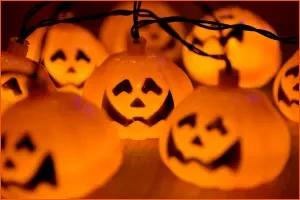
When Halloween arrives, Swedish children often participate in trick-or-treating, known locally as bus eller godis. While Halloween tradition dictates the holiday falls on October 31st, Swedish practice can be more flexible. If October 31st falls on a weekday, many people choose to celebrate on the weekend before or after. However, with Halloween falling on a Saturday this year, it is more likely that children will go trick-or-treating on the actual date. There is a growing consensus that children should only visit homes displaying Halloween decorations, such as a pumpkin, to respect those who do not wish to participate.
As Halloween has become more popular in Sweden—a trend that surged in the early 1990s due to efforts by the Hard Rock Café and the party supply store Butterick's—the celebrations have shifted. While Swedes once favored strictly "scary" outfits, the holiday is now broader, increasingly mirroring the American style where people dress up as anything they choose. Many clubs and pubs also host events, though they are not strictly bound to the date.
Simultaneously, Sweden observes All Saints Day, or Alla helgons dag. In 2026, this day falls on October 31st. Unlike the festive nature of Halloween, All Saints Day is a time for remembrance. As dusk falls, people travel to graveyards across the country, bringing wreaths, flowers, and candles. The result is a landscape illuminated by hundreds of flickering lights, creating an emotionally-charged and beautiful atmosphere. In towns and cities, visitors offer quiet greetings to those at neighboring graves, while rural churchyards glow against the dark fields. It is an awe-inspiring sight, though the presence of real mourners serves as a reminder of the day's deeper meaning.
Though the festival has ancient origins, the tradition of lighting candles at graves is relatively modern, beginning in the early 1900s and only becoming a national activity after the Second World War. Today, it plays a vital role in the Swedish calendar, marking the transition from autumn to the dark winter season. Many Swedes now choose to celebrate both holidays rather than picking one over the other. As long as participants avoid bringing rowdy behavior or Halloween costumes to cemeteries or memorial sites on Saturday, there is little risk of causing offense. These two observances complement each other, with Halloween serving as a festive celebration and All Saints Day providing a moment of soothing melancholy and reflection.