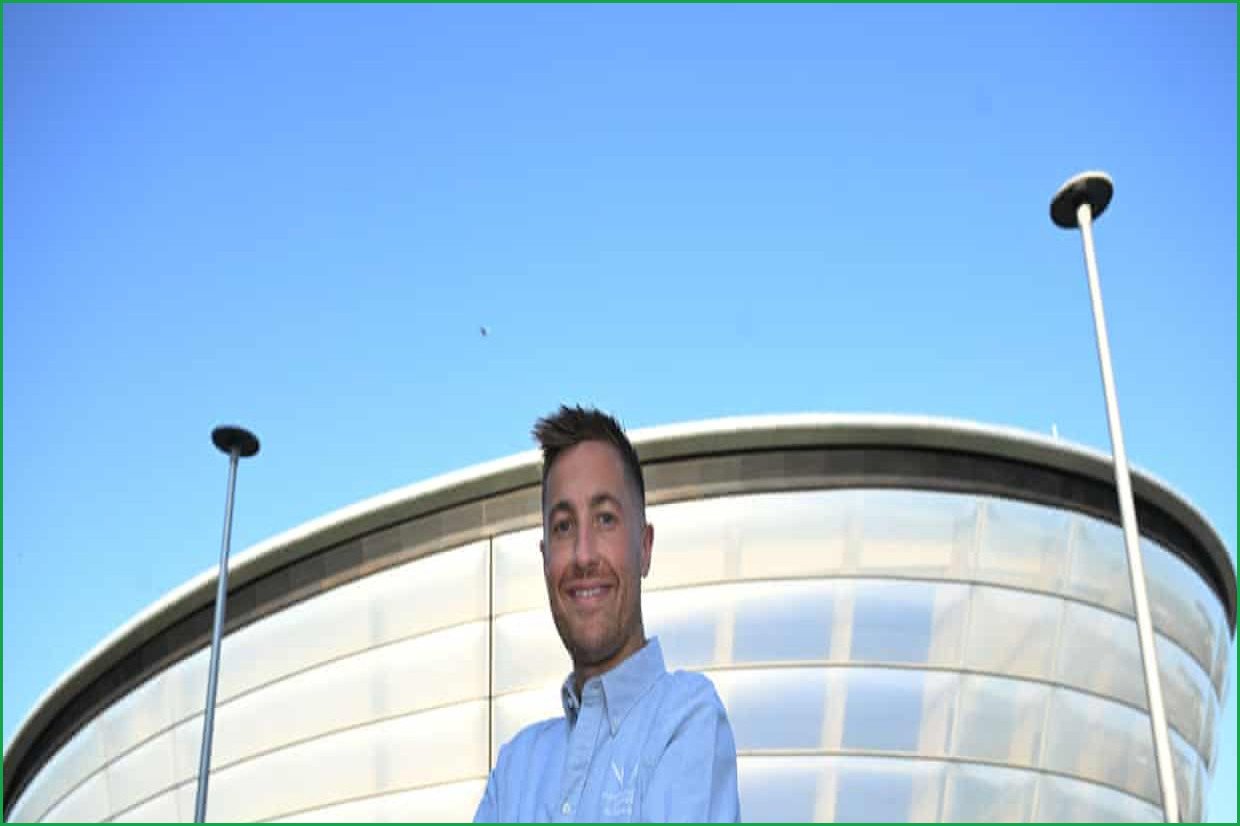
The chief executive of Glasgow 2026, Phil Batty, has described the recent Commonwealth Games as a "phenomenal" success, arguing that the event has demonstrated enough potential to continue for another 100 years. According to Batty, the revamped format—which featured 10 sports compared to the 19 included in Birmingham four years ago—has established a sustainable model for future iterations, including the upcoming 2030 Games in Amdavad.
Reflecting on the 11-day event, Batty expressed pride in how the city and the Commonwealth united, noting that the Games exceeded expectations and proved they can evolve to remain relevant. He emphasized that the event felt as brilliant as ever while successfully adapting to modern needs. Commonwealth Sport chief executive Katie Sadleir echoed this optimism, stating that the Games surpassed her own expectations and left athletes and Commonwealth Games Associations feeling energized by the experience.
Financial data provided by organizers indicates a projected spend of £162.6m for the event, a significant reduction compared to the £543m spent on Glasgow 2014 and the £680m allocated for Birmingham 2022. Glasgow also benefited from £4.7m in infrastructure upgrades, including a new track and pitch at Scotstoun Stadium and improvements at the Tollcross International Swimming Centre. While the Games faced criticism regarding the absence of star athletes like Keely Hodgkinson, Summer McIntosh, and Julien Alfred, as well as concerns over limited television visibility and crowd sizes, leadership remains focused on a global audience.
Official figures released by organizers showed 11.4 million viewers in Australia via Channel 7 and nearly four million in Canada on CBC. Regarding the British market, Sadleir highlighted the BBC’s long-standing partnership through radio coverage, though she emphasized that her responsibility lies in overseeing a movement spanning 74 countries. She noted that while linear television remains important, the organization is pivoting toward a wider digital strategy to engage a younger demographic. By offering 600 hours of coverage for £4.99—an increase from the 200 hours provided in Birmingham—organizers believe they are effectively meeting the needs of audiences who prefer streaming on mobile devices over traditional broadcasting.
There have been several criticisms about the Games, ranging from the long list of absentee stars – including Britain’s 800m Olympic champion Keely Hodgkinson, the Canadian swimmer Summer McIntosh and the Olympic 100m champion Julien Alfred, along with limited visibility on TV and the lack of sell-out crowds. However Katie Sadleir, the chief executive of Commonwealth Sport, said she shared Batty’s positive assessment. “These Games have absolutely exceeded my expectations,” she said. “People are talking about it on the streets. I’ve met with athletes. I’ve met with Commonwealth Games Associations and everyone is going away buzzed about what happened.”
“We have a very young demographic that we are trying to attract. Those people aren’t watching linear TV; they are streaming and watching it on their phones and devices.”