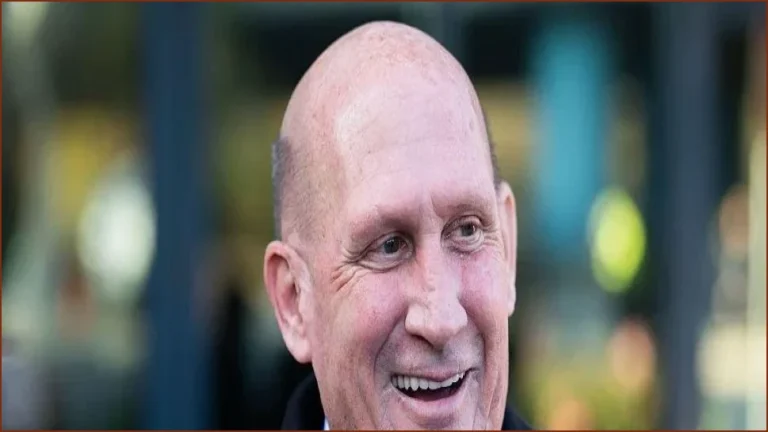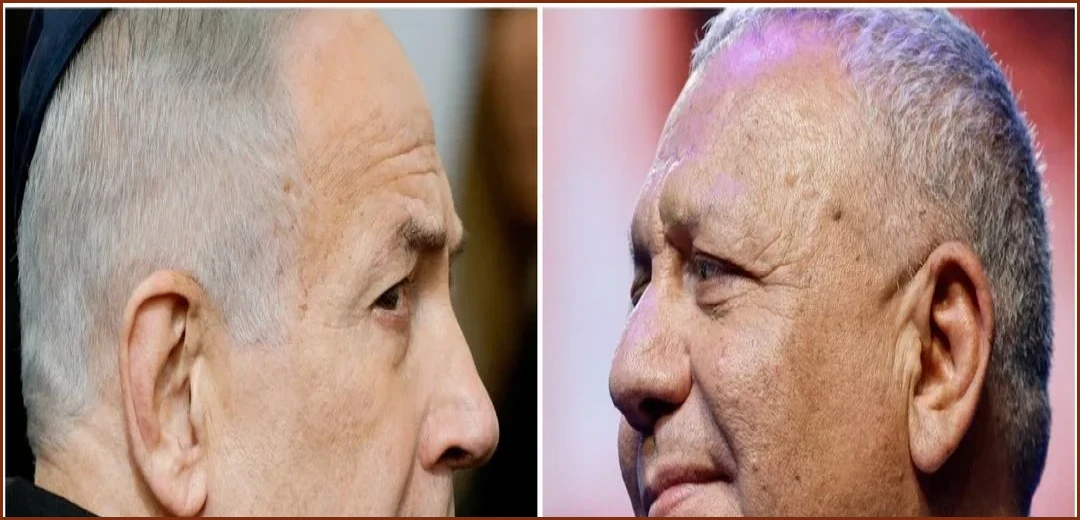
Gadi Eisenkot, the centrist leader currently tasked with the formation of the next Israeli government, has officially invited the right-wing Likud party of caretaker Prime Minister Benjamin Netanyahu to participate in coalition negotiations. The Yashar party, led by Eisenkot, announced on Saturday that these discussions are set to commence on Sunday, describing the move as a reflection of a genuine commitment to establishing the broadest possible government.
Following an October election that failed to produce a clear majority for any single bloc, the former military chief now has until next month to assemble a new cabinet. The path forward remains complex, as Eisenkot’s camp faces internal divisions regarding potential alliances with ultra-Orthodox parties, Arab-majority lists, or the possibility of a national unity government alongside Netanyahu’s bloc. In a statement, the Yashar party noted that Eisenkot has instructed his negotiating team to engage in a marathon series of talks, starting with the meeting scheduled for Sunday, in an effort to explore every viable option for a new administration.
Benjamin Netanyahu has been actively advocating for a national unity government, which he maintains is essential for ensuring Israel’s security. In response to the invitation, Likud outlined several conditions for participating in such a coalition. These include a demand to cease all personal attacks and incitement, as well as an end to political boycotts against Netanyahu and his government. Likud also proposed a set of guidelines, which include a formal agreement that Israel is the nation-state of the Jewish people, a rejection of Palestinian statehood, the maintenance of security zones in Syria, Lebanon, and Gaza, and a broad agreement regarding the conscription of the ultra-Orthodox community into the military. Furthermore, Likud called for a joint declaration excluding Arab parties from the coalition.
While Eisenkot has expressed openness to including members of Likud in a potential government, he has previously ruled out serving under Netanyahu’s leadership. Meanwhile, former Prime Minister Naftali Bennett, a key figure in Eisenkot’s camp, has urged the formation of a Zionist unity government led by Eisenkot, explicitly stating that his party would refuse to join any coalition involving Netanyahu or his bloc. Addressing the urgency of the situation on Friday, Eisenkot vowed to prevent the negotiations from dragging on, adding that he is prepared to present a minority national emergency government for a parliamentary vote if attempts to build a broad-based coalition prove unsuccessful.