German military forces have initiated field trials of loitering munitions and artificial intelligence-enabled targeting technology in Lithuania, advancing efforts by the Bundeswehr to modernize its capabilities against the backdrop of persistent security tensions between NATO and Russia.
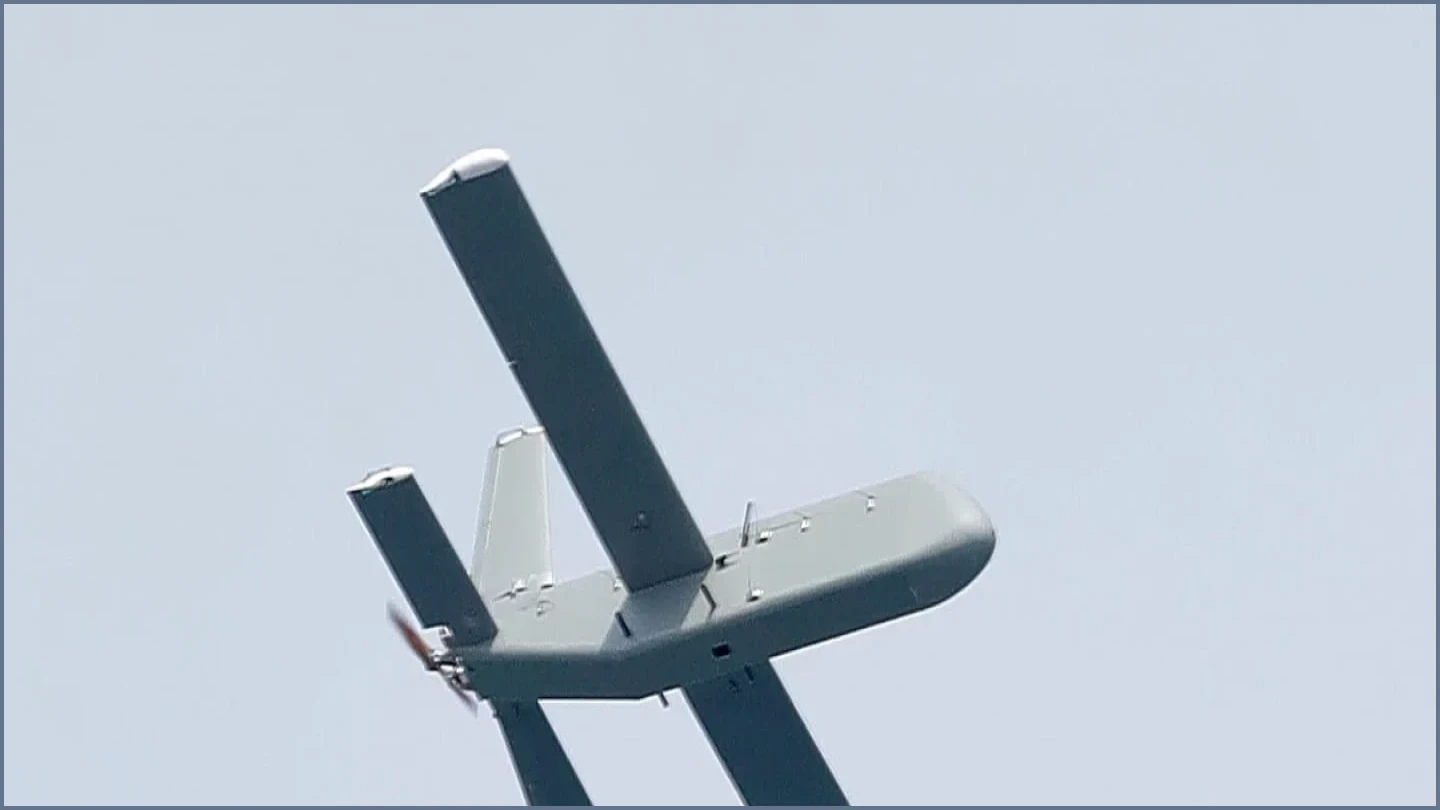
The operational tests are taking place at the Rūdninkai military training area, located close to Lithuania’s border with Belarus. The exercises involve loitering munitions—commonly referred to as kamikaze drones—developed by German defence technology companies Helsing and Stark Defence. These weapons systems are engineered to identify and strike tactical targets such as armoured vehicles, providing commanders with greater flexibility than conventional precision-guided munitions.
According to Reuters, the drone and targeting trials are conducted as part of Freedom Shield, a wider multinational military exercise gathering approximately 3,800 personnel from eight NATO member nations. Beyond evaluating unmanned aerial platforms, the exercise offers German forces an opportunity to assess how artificial intelligence can enhance battlefield reconnaissance, expedite target identification, and improve military decision-making.
Unlike traditional missiles that are launched toward previously designated coordinates, loitering munitions can remain airborne over engagement zones while searching for or awaiting a target. This loitering capability gives operators extra time to observe battlefield developments before committing to an attack. Once authorized, the aircraft flies into its objective, destroying itself upon impact. During the Lithuanian maneuvers, German troops deployed these drones against simulated armoured targets fitted with inert warheads, enabling comprehensive performance evaluations without using live explosive payloads. The Bundeswehr is examining how such systems can complement existing artillery units, reconnaissance assets, and armoured formations.
Military interest in loitering munitions has grown significantly following their extensive use during the war in Ukraine, where both Ukrainian and Russian forces have deployed attack drones against tanks, artillery emplacements, supply vehicles, and other military positions. Their widespread adoption demonstrated how relatively inexpensive unmanned platforms can threaten costly conventional military hardware. However, combat in Ukraine has also exposed critical weaknesses, including vulnerability to electronic interference, communication disruptions, and increasingly sophisticated counter-drone defenses. Whether the tested systems ultimately deliver the expected operational advantages remains to be demonstrated. The Bundeswehr itself has acknowledged that actual drone strike success rates on the battlefield can be significantly lower than footage of successful strikes suggests.
In tandem with the aerial drone testing, German military personnel evaluated Clarity, an AI-supported military intelligence and targeting platform developed by Helsing. The software is designed to synthesize raw battlefield information gathered from multiple sources, including drones, surveillance arrays, and network sensors. While traditional targeting procedures often require information to pass through several sequential analysis and communication stages before a military unit can respond, AI-assisted platforms reduce these operational delays by rapidly identifying relevant data and presenting it directly to commanders.
Conducting these trials in Lithuania highlights the Baltic nation's expanding role in NATO's eastern defence strategy. Lithuania shares borders with Belarus, a key ally of Russia, as well as Russia's heavily militarized Kaliningrad region, placing it near one of the alliance's most strategically sensitive frontiers. Germany has committed to permanently stationing a full combat brigade in Lithuania, known as Panzerbrigade 45. The formation is scheduled to reach full operational capability by 2027, comprising approximately 5,000 military personnel and supporting civilian staff. Testing emerging military hardware in Lithuania enables German troops to evaluate systems in an operational environment directly relevant to their future mission duties.
The broader Freedom Shield exercise incorporates conventional military activities such as manoeuvre operations, electronic warfare, and joint cooperation between different armed forces branches, reflecting NATO's strategy to combine legacy formations with cutting-edge technology. These exercises take place amid continued focus among European governments on strengthening military readiness, boosting ammunition production, and enhancing response capabilities. While Moscow has rejected claims that it intends to attack NATO territory and criticized the alliance's expansion near its borders, opposing military postures, force deployments, and weapons development continue to carry elevated strategic significance across Europe.
The Bundeswehr's field tests in Lithuania reflect a broader shift in military planning, where future combat effectiveness relies on seamlessly interconnecting sensors, autonomous platforms, artificial intelligence, and human decision-makers alongside traditional tanks and artillery.