Wildfires have ravaged over 25,000 hectares across France since the beginning of the year, a figure roughly double that recorded during the same period last year. Among the dozens of blazes, a particularly destructive fire in the Alpine Savoie département of south-east France led to the death of a volunteer firefighter and left thousands of summer tourists stranded as key roads were closed.
Julien Marion, the directeur général de la Sécurité civile, estimated the total burned area following a recent interministerial crisis meeting. He told journalists last week that France has recorded just over 8,000 fires this year, exceeding 25,000 hectares. Beyond the Alps, other significant blazes have occurred in the forest of Fontainebleau south of Paris, Pyrénées-Orientales, Drôme, near Marseille, and Indre.
Dominik Daul, a local councillor and resident in a hamlet near Planay in the Vanoise Valley, recounted the terrifying experience of the Alpine wildfire and its aftermath. Despite initial calls to emergency services, some fires in hard-to-reach areas were left to burn, with officials citing low safety risks and expected rain. Daul, however, noted persistent concerns: “Every day, we got calls from people who owned a chalet up there, who had cows up there, or could see the fire, saying the fire is still growing despite the thunderstorms.” He added that he and others, including the mayor, repeatedly contacted the prefecture and the SDIS commander.
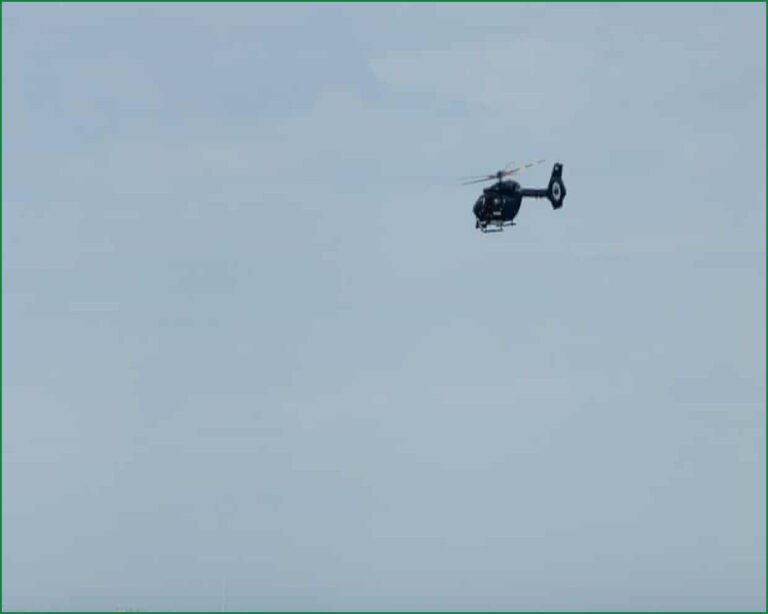
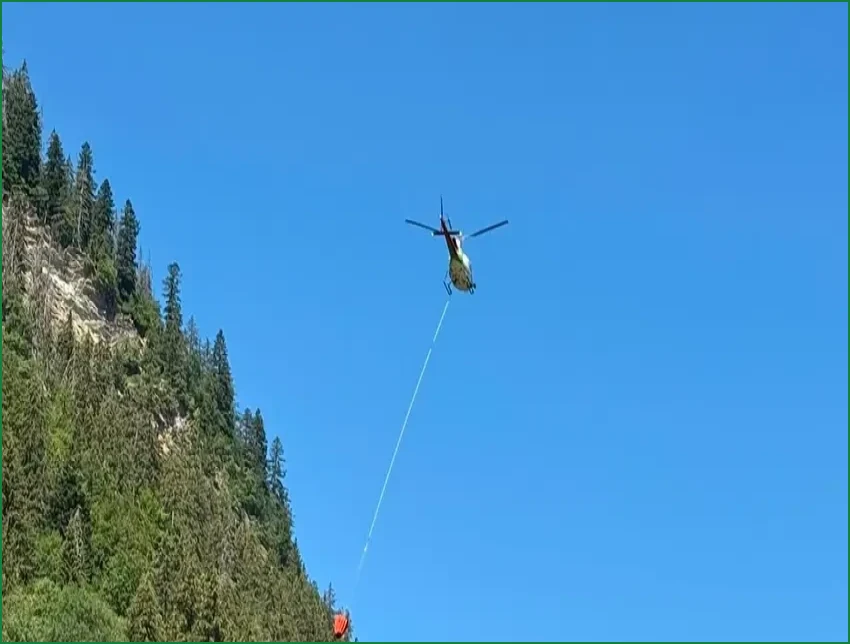
A helicopter eventually flew over the area, dumping water for about “half an afternoon.” Daul described the scene as “like having London fog around your house – but it was wood fire, smoke, and it was getting scary.” Just six hours later, the situation dramatically worsened. “The fire exploded. Things started falling and the wind started picking up,” he recalled. Online videos from the time showed flames estimated at about 20 meters high sweeping across the mountainside, prompting officials to close roads.
The crisis escalated further that night. “Everybody started scrambling,” Daul said. “The night after was when one of the firefighters died due to a rockfall on that road.” This tragic event spurred a more robust response. “Things started moving in gear and all of a sudden we had 100 firefighters here. We had a huge operations centre and we had helicopters rotating.” The fire, which had spread from five to 10 hectares, jumped to 80 hectares on the night of July 7th-8th, consuming steep mountain terrain, rocky slopes, and cliffs.
Daul, a German national and retired military man in his 50s, has lived in the French Alps since 2018, having visited frequently for many years prior for climbing, hiking, and skiing, even serving as a mountain ranger with the German military. He now works in real estate and actively supports vulnerable members of his community.
Above Daul’s hamlet lies Pralognan-la-Vanoise, a village resort that typically hosts 650 year-round residents. During the first week of the school holidays, however, it swelled to between 4,000 and 5,000 visitors. With a closed road and raging fire, feeding these thousands of people, along with year-round residents spread across the mountain, became a significant challenge. Despite having only a small Casino shop, a Sherpa shop, a bakery, and a pharmacy, the community rallied.
Daul and other local leaders organized daily tours with volunteers to ensure the safety of vulnerable residents, many of whom are older and spend summers in family-owned high-altitude properties. One resident even required an airlift to a hospital in Grenoble for an urgent medical appointment. Remarkably, no large-scale evacuation was necessary, and power was never cut to Daul’s hamlet. He himself stopped working entirely to coordinate care for people.
The store and bakery in Pralognan continued to function, making daily deliveries via constant helicopter traffic between Bozel and Pralo to prevent 5,000 people from running out of food. Deliveries were also organized to the pharmacy to ensure critical medication supplies.
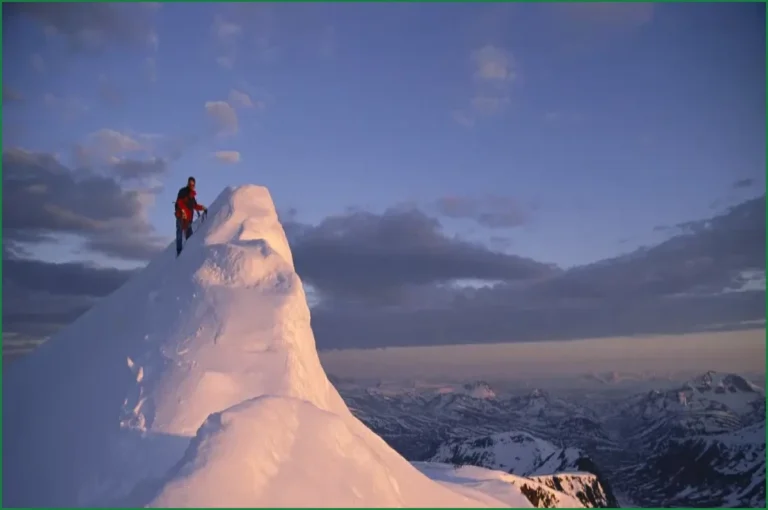
Daul, a Black Forest-born widower, is deeply familiar with the region. He observes the daily signs of climate change from his window, noting how glaciers on the plateau are melting, losing snow cover earlier each year, and how melt waterfalls now tumble down cliffs that had been dry for centuries. He hopes the Savoie region will allocate budgetary means to immediately catch and stop wildfires at their earliest stages. He emphasized that the concern isn’t just about losing a few hectares of woods, which often serve as avalanche protection, but about preventing events from becoming uncontrollable.
He also highlighted a past winter weather event with future wildfire implications: a massive avalanche after a February snowstorm removed many trees that protected his village and the road below from avalanches and rockslides. This left behind an estimated 2.5 square meters of dead mountain pine, which he described as “pretty much tinder.”
The fallout from the recent fire is expected to be long-lasting. Roads that were closed have yet to fully reopen, with one-lane access creating bottlenecks and complicating daily life. This poses a significant concern for emergency services like ambulances and firefighters, as any accident could again block access to Planay, Chamberanger, and Pralognan. The fire’s intense heat and the huge volumes of water dropped have weakened the cliffs above the road, creating a long-term risk for more severe rockfalls. Furthermore, the burned trees will lose their function as erosion control and avalanche protection. The stress from one-way road use combined with the load of 450 concrete blocks will push the limits of an old mountain road that the département already struggles to maintain, as it showed cracks and depressions even before the fire.
Daul’s concern for his home is profound: “We live here all year. We work here. We look after our neighbours. We check on the elderly. We water the village flowers when the commune staff are overwhelmed. We cook meals for firefighters. We keep these mountains alive. This is our home – not a museum, not a postcard, and not a place that only exists when people come on holiday.”