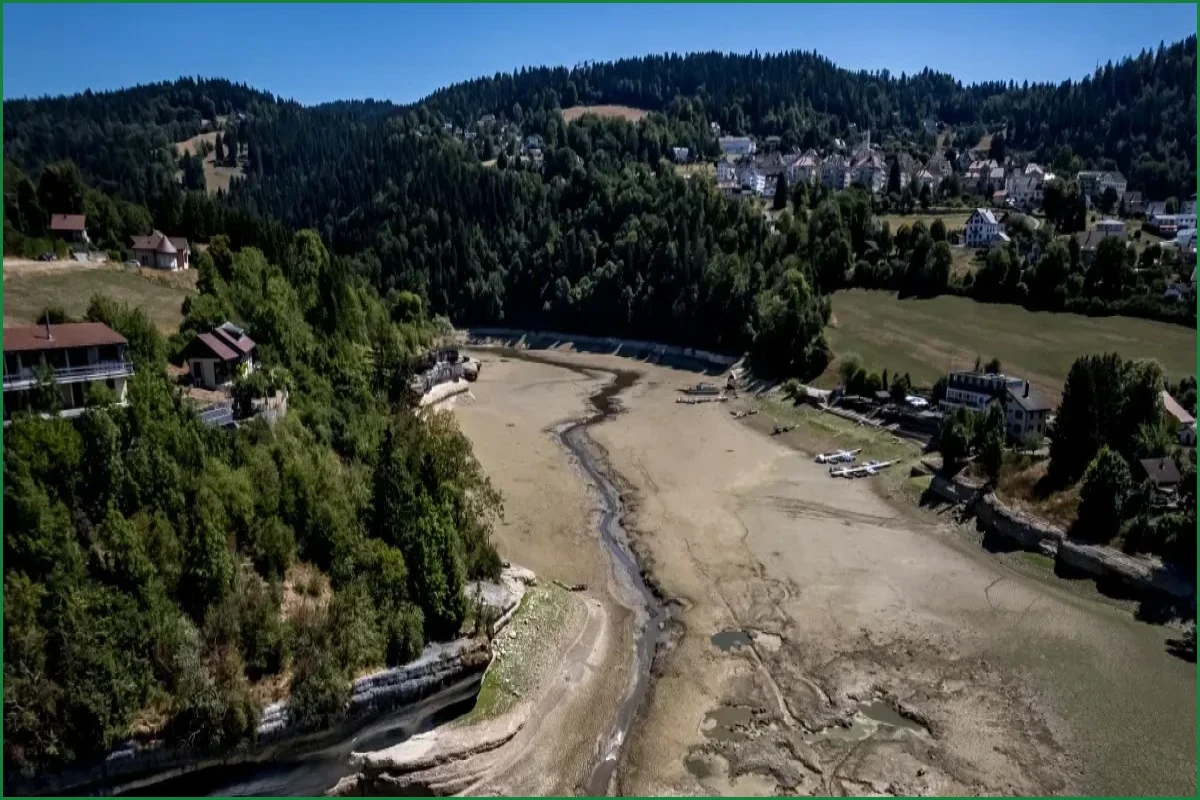
France is currently grappling with a historical and critical drought, leading authorities to implement the highest level of water restrictions, known as the 'crise' level, in 61 of the country's 96 mainland départements. These measures, which took effect as of Tuesday, August 4th, apply to either parts or the entirety of the affected regions.
The government categorizes water restrictions into four distinct grades: vigilance, alert, alert renforcée, and the most severe, crise. Residents can verify the specific status of their commune by using the government's VigiEau map, which allows searches by postcode or commune name.
Living in an area designated as 'crise'—marked in red on the official map—carries significant legal obligations. Violating these rules can result in a fine of €1,500. Under these strict mandates, it is prohibited to water lawns, flowerbeds, golf courses, or any other green spaces.
While vegetable gardens are exempt from the total ban, watering is restricted strictly to the hours between 8pm and 8am.
Unlike the United Kingdom, France does not utilize 'hosepipe bans'; instead, the restriction prohibits watering via any method, including hoses, sprinklers, or watering cans.
Additional restrictions target private property and public facilities. It is forbidden to fill, drain, or refill private swimming pools larger than one square metre, though municipal pools and smaller paddling pools remain unaffected.
Cleaning activities are also severely curtailed; washing cars at home is prohibited, and commercial car washes are generally closed, with exceptions only for essential vehicles like those used by emergency services.
Furthermore, washing driveways, building facades, pavements, or other hard surfaces is banned, and all ornamental fountains must be turned off.
The rules also restrict taking water from the natural environment, including rivers, streams, and lakes. In some locations, this prohibition extends to private wells or springs, often referred to as l'eau brut; residents are advised to consult their local mairie to confirm specific local regulations.
Mairies may also implement additional localized measures, which are typically communicated via official websites or commune noticeboards.
While domestic water usage for cleaning and washing is not restricted, officials strongly advise residents in crisis areas to practice conservation to protect local supplies. Drinking water remains unaffected, and during periods of extreme heat, individuals are urged to stay hydrated to prevent health complications such as heatstroke, a precaution that also extends to pets.
Although it is rare for taps to run dry, such a scenario is possible in isolated communities or small villages. In such cases, the local mairie is responsible for ensuring citizens have access to clean drinking water, which may involve providing bottled water or arranging for tanker deliveries to local water towers.
Suffering a "historical and critical" drought, France has now imposed the highest level of water restrictions in 61 of its 96 mainland départements.
Here's what it means if you live in an area on 'crisis' level alert, coloured red on the map – breaking any of these rules can net you a €1,500 fine.