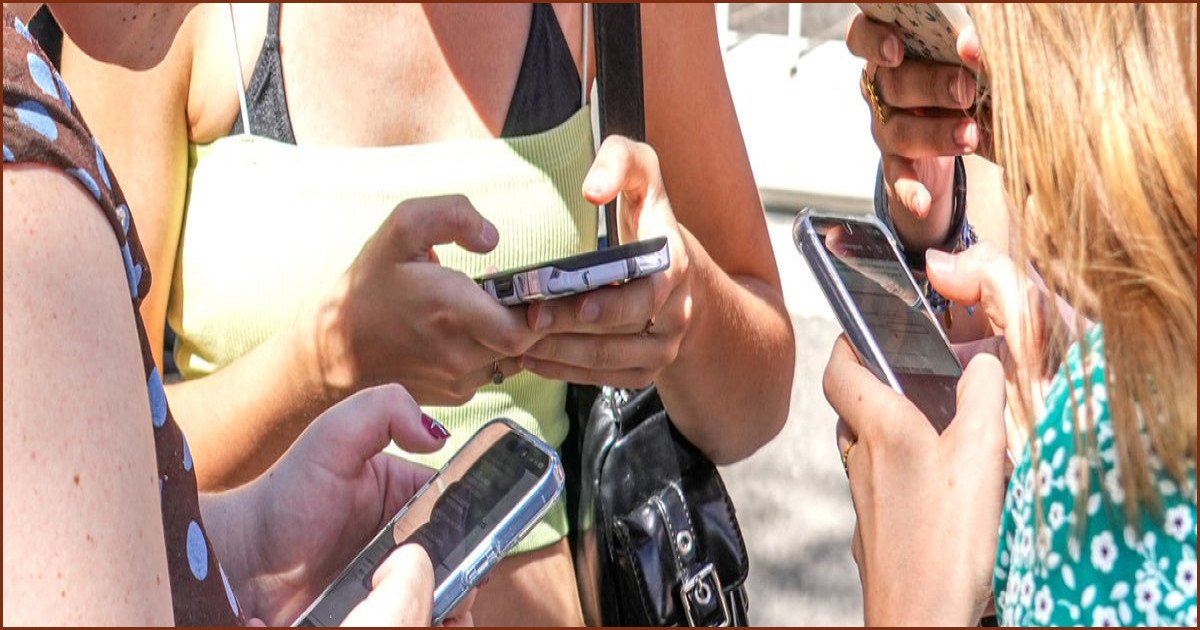
France has secured its place as the first member state in the European Union to implement a ban on social media use for children under the age of 15. The landmark legislation was passed by parliament with an overwhelming majority, securing 279 votes in favor against 81 opposed.
The new law establishes a clear timeline for implementation. Starting in September, children under 15 will be prohibited from creating new accounts on major platforms like TikTok and Snapchat. By January 2027, the restriction will extend to existing accounts, which must be blocked. Furthermore, the legislation mandates that social media companies implement robust age verification checks to enforce these rules. Beyond social media, the law also introduces a ban on students using mobile phones in high schools starting next year, building upon existing prohibitions already in place for French elementary and middle schools.
President Emmanuel Macron championed the legislation as a pivotal moment for child safety. "France is leading the way in Europe when it comes to protecting our children and teenagers," the President stated. This initiative is considered one of the final major domestic reforms under Macron’s current term, as he approaches a decade in office and faces term limits that prevent him from running for reelection in April. The government’s move follows findings from France's public health watchdog, which earlier this year concluded that social media exposure has detrimental effects on the mental health of teenagers, particularly girls.
Despite the legislative victory, the plan faces significant criticism regarding its practical enforcement. Skeptics question whether current age-verification technology is sophisticated enough to stop minors from accessing these platforms. Critics point out that teenagers are likely to circumvent the rules using VPNs, providing fake birth dates, or relying on accounts created by family members or older friends. Additionally, privacy advocates have raised concerns that more stringent age checks could force users to surrender sensitive personal information, thereby creating new cybersecurity risks. Maya Thomas, a legal and policy officer at the British organization Big Brother Watch, warned that such mandates represent a threat to global internet freedom and privacy, arguing that governments should focus on regulating business practices rather than restricting users.
The effectiveness of such bans is also under scrutiny due to the experience of other nations. Australia, which prohibited social media for those under 16 at the end of 2025, serves as a cautionary tale. Data from Australia’s internet regulator in March indicated that approximately 70% of parents reported their children were still using the platforms despite the ban. The French legislation does include specific exemptions for educational platforms and online encyclopedias.
This move aligns with a broader French policy push for "digital sovereignty," an effort to reduce European reliance on American and Chinese technology while fostering local alternatives. This strategy has already seen France and Germany move to develop alternatives to U.S.-supplied military software. While France is the first EU country to enact such a ban, it is likely not the last, as the United Kingdom has already announced plans for a similar restriction for under-16s by January 2027. With countries like Canada, Denmark, and Malaysia also considering similar measures, the global community is closely observing France as an early test case for nationwide social media restrictions.
"It is clear we need age-appropriate restrictions to platforms," European Commission President Ursula von der Leyen said last week.