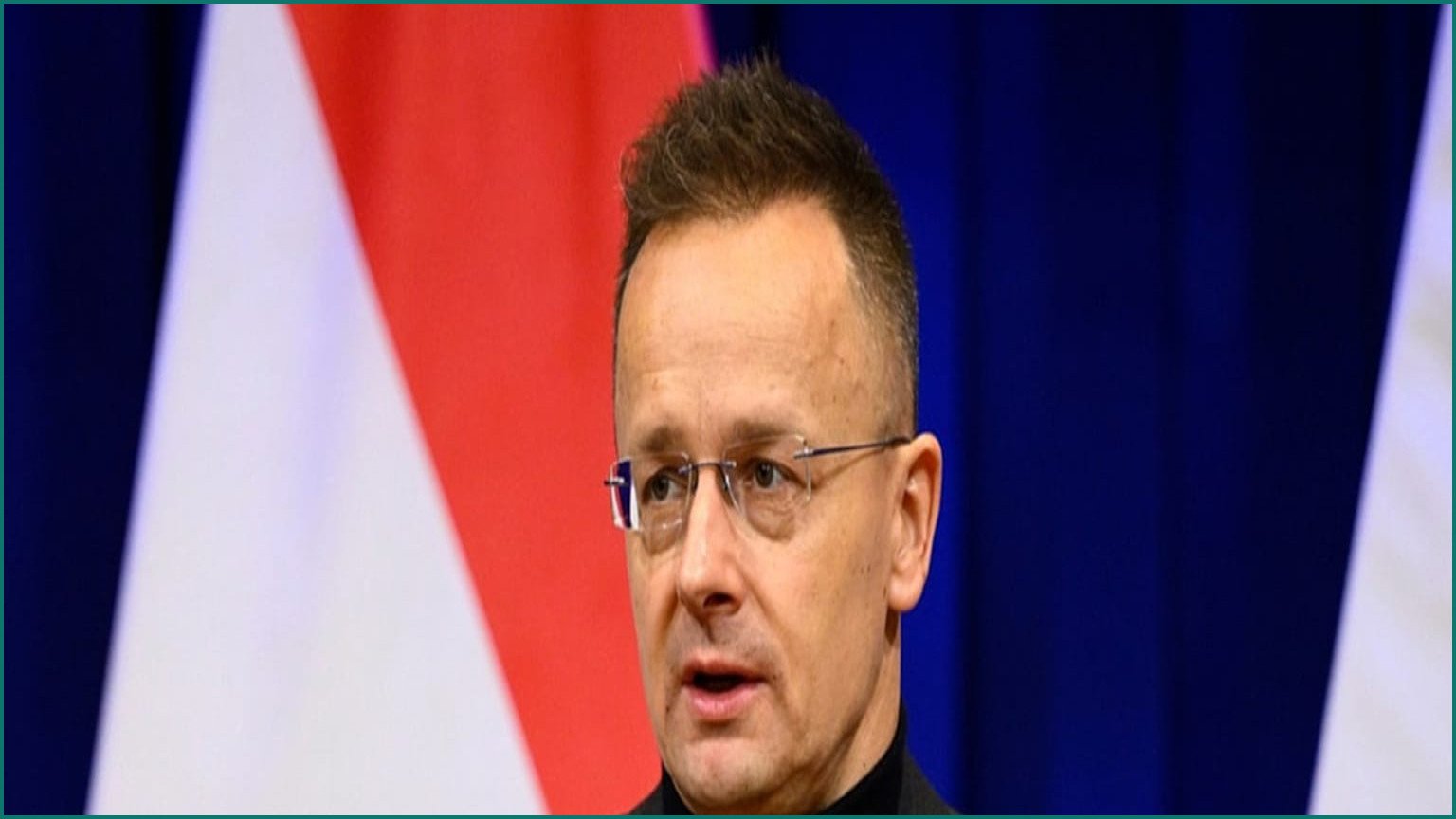
Péter Szijjártó, the former foreign minister of Hungary, has officially resigned from his parliamentary seat to transition into a new role as an executive for the Chinese electric vehicle manufacturer BYD. Szijjártó, who had served as a member of parliament since 2002, had been largely absent from legislative proceedings and public life following the electoral defeat of Viktor Orbán’s Fidesz party to Prime Minister Péter Magyar in April.
In a public statement regarding his career shift, Szijjártó praised his new employer, noting that he believes BYD represents one of the most significant success stories in the automotive industry over the last two decades. He confirmed that he is now responsible for the group’s external relations and the strategic development of new business lines.
The appointment follows Szijjártó’s instrumental role in securing a major investment from the Chinese conglomerate during his tenure as foreign affairs and trade minister. In 2023, he announced that BYD would establish its first European factory in Hungary, a move facilitated by 224 rounds of negotiations between the company and the Hungarian government. Szijjártó described the project as one of the largest investments in the country's economic history and confirmed that the state would provide financial incentives to support the plant's construction. This facility allows BYD to bypass European Union import tariffs, which were implemented to protect domestic manufacturers from Chinese competition.
Throughout his time in office, Szijjártó and the government of Viktor Orbán consistently opposed EU trade tariffs on Chinese goods, favoring strong investment ties with Beijing. This strategy included supporting the development of a rail corridor between Hungary and Serbia as part of China’s Belt and Road initiative and encouraging the opening of multiple Chinese electric vehicle battery plants within Hungary.
These developments unfold against a backdrop of increasing trade friction between Brussels and Beijing. The European Union is currently grappling with a record daily trade deficit with China of €1 billion. While EU Trade Commissioner Maroš Šefčovič has stated that Brussels aims to reach tangible dialogue results with China by October, the feasibility of this timeline remains a point of contention. German MEP Bernd Lange, who chairs the European Parliament's trade committee, has publicly dismissed the October deadline as unrealistic for achieving a binding agreement.