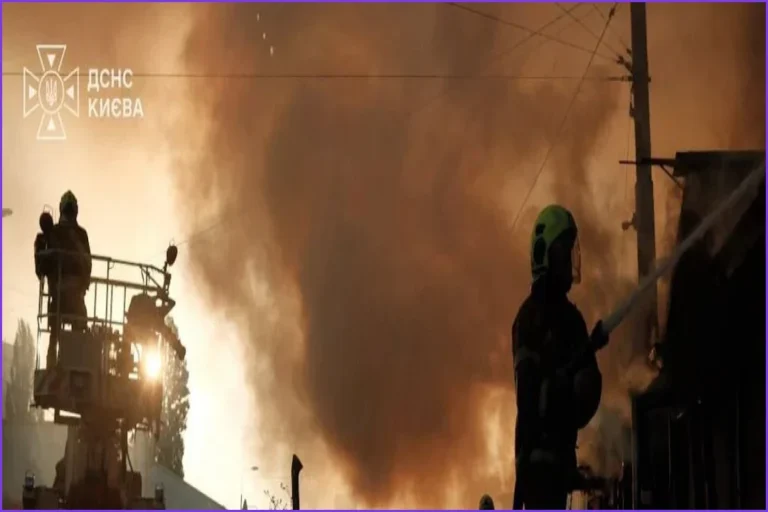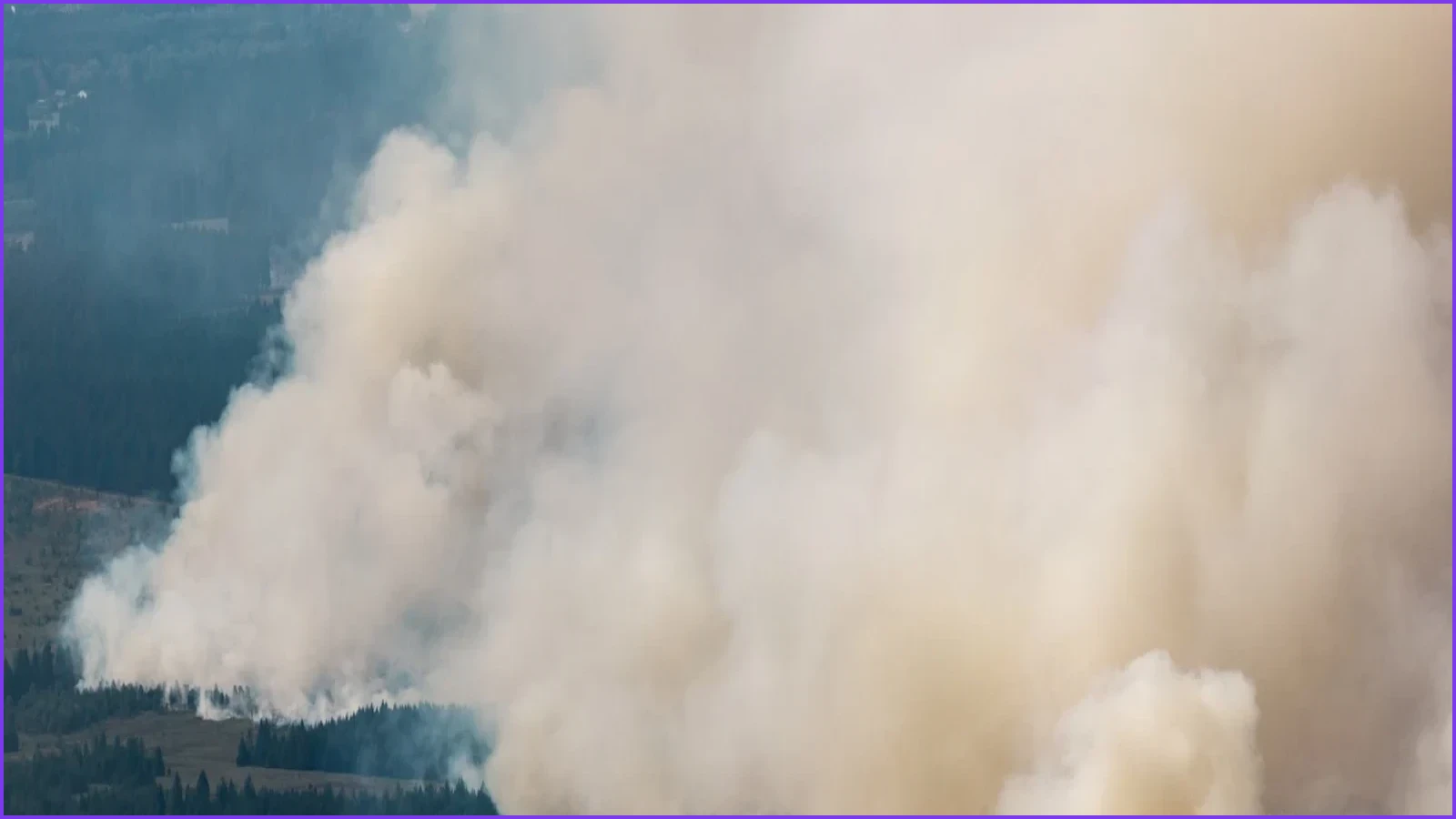
A severe wildfire is currently sweeping through the High Fens, a prominent nature reserve in eastern Belgium, marking one of the most significant blazes in the nation's recent history. The fire has already consumed approximately 30 square kilometers, or 12 square miles, of land. In response to the shifting winds and the spread of dense smoke, authorities ordered the evacuation of about 600 residents from the nearby municipalities of Waimes and Bütgenbach in Liège province, situated close to the German border. Tourists in the area were also advised to depart, with a local gymnasium converted into a temporary shelter for those displaced.
Liège provincial governor Hervé Jamar announced on Sunday that over 250 emergency personnel have been deployed to combat the flames. This contingent includes more than 100 firefighters from both Belgium and Germany, alongside police, military officers, and civil protection staff. To bolster the ground efforts, firefighting helicopters from the Belgian federal police and the Netherlands have been utilized.
René Dahmen, chief engineer at the Department of Nature and Forest, noted that the fire remains difficult to access. He highlighted a critical, kilometer-long line of fire on the eastern flank that is slowly moving toward a municipal forest. Dahmen emphasized that the situation remains extremely difficult and that continued helicopter support is essential. While officials confirmed that no homes had been directly affected as of Sunday morning, the blaze remains in close proximity to residential zones, and heavy smoke continues to persist. Authorities have urged the public to stay clear of the fire zone to prevent traffic congestion that could hinder emergency operations.
To manage the crisis, Belgium activated the European Union’s civil protection mechanism. EU Commissioner Hadja Lahbib, who is in charge of crisis management, confirmed on X that international assistance is underway. Sweden has sent two water-bombing aircraft, while three helicopters—two from the Netherlands and one from the Czech Republic—are also being deployed to the scene.
The current fire has far surpassed a 2011 blaze that burned nearly 14 square kilometers, or 5.4 square miles, in the same area, which was previously the largest wildfire on record in Belgium according to the European Forest Fire Information System. Nicolas Yernaux, a spokesperson for the Public Service of Wallonia, explained that the current situation is much more severe because the soil is very dry. The blaze follows weeks of unusually hot and dry weather, with temperatures reaching approximately 37 C, or 98.6 F, in parts of the country on Friday.
Across the border in Monschau, Germany, local authorities warned on Sunday that the fire was about 1.5 kilometers, or just under a mile, from the border. While the blaze is not currently expected to reach German territory, officials noted that the smoke will. A little further inside Germany, emergency services have made significant progress fighting a fire in the Hürtgen forest that forced evacuations on Friday. The roughly 2,000 people who had to leave the village of Gey were able to return home on Saturday evening. By Sunday morning, the local government in Düren reported no open flames and stated that the area was surrounded by a 3-meter, or 10-foot, cleared cordon to prevent further spread.
The wildfire crisis extends beyond the Belgian border. In France, firefighters battling a blaze in the southwestern Landes region reported no major flare-ups overnight. Authorities estimated the total area burned at 17 square kilometers, or 6.6 square miles, with about 650 people evacuated. This follows two other major fires in the region in late July, including one in the Gironde department that burned about 420 square kilometers and forced the evacuation of 220,000 people. Meanwhile, in the U.K., emergency crews are fighting 14 wildfires in South Wales with military support. Authorities there warned that despite the easing heat wave, drought conditions keep the wildfire risk high, noting that fires gutted more than a dozen homes in the West Midlands this week as temperatures reached 38.1 C, or 100.6 F, on Thursday.