Fire crews have spent the night battling a large blaze on Arthur’s Seat in Edinburgh, with emergency teams remaining on the scene to manage the situation. Small plumes of smoke were still visible on Monday morning along the Salisbury Crags following the outbreak of the fire the previous evening.
A total of six fire engines were deployed to tackle the grassfire, with firefighters seen working to douse the flames throughout the night.
The Scottish Fire and Rescue Service (SFRS) has confirmed that there are no reported casualties. However, Police Scotland stated that Queen's Drive, the road that encircles the Holyrood Park hills, remains closed to all vehicles to ensure public safety.
On the ground, firefighters have been concentrating their efforts on the section of Queen's Drive closest to the Pollock Halls of Residence, which is the largest student accommodation site for Edinburgh University.
Mahek Jayantilial, a 24-year-old Edinburgh University student who lives near the site, described the experience of watching the fire from her window. She noted that while she was initially worried the fire might spread toward her area, the presence of concrete structures provided a barrier.
She expressed that it was upsetting to see the landmark on fire, but she believed such an event was almost unavoidable due to the lack of recent rainfall, which left the grass extremely dry.
She suggested that something as small as a piece of glass or a poorly extinguished cigarette butt could easily ignite the parched vegetation.
Large swathes of vegetation below the cliff face were burned black by the fire. By Monday morning, the sound of chainsaws could be heard in the area, which is believed to be part of ongoing work to clear vegetation.
Jon Henderson, an assistant chief officer with the SFRS, noted that the service had dealt with a number of incidents over the weekend.
Henderson indicated that fire crews would likely remain on the scene for a couple of days to continue dampening down hotspots. He stated that it is currently too early to speculate on the cause of the fire, though a full investigation will be conducted.
He explained that assessing the origin of such open fires is difficult due to their scale and the possibility that they can sometimes start naturally. A large plume of smoke from the fire was visible from as far away as Fife on Sunday evening.
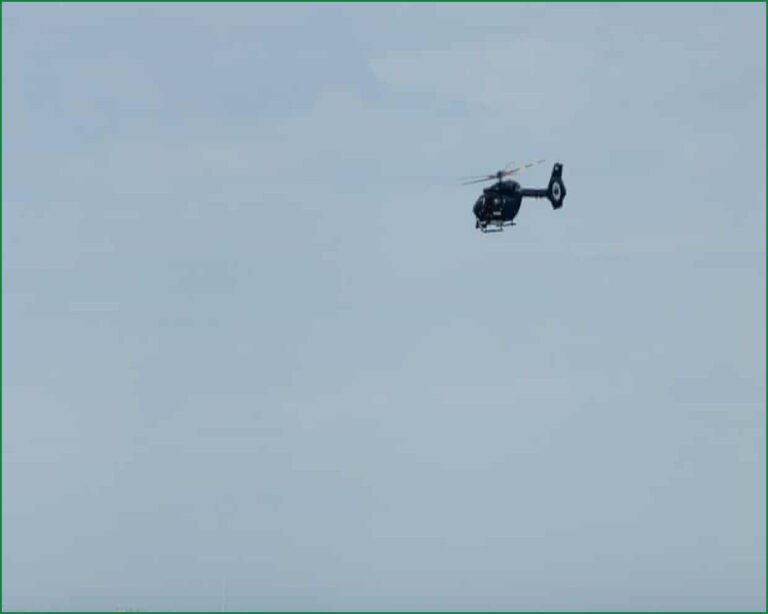
In a separate, large-scale operation, hundreds of firefighters, two helicopters, and specialist resources were deployed to the Cairngorms National Park to combat a blaze that has been ongoing for four days.
That fire affected six square kilometres of land, forcing the evacuation of homes, campsites, and a ski resort in the Glenmore Forest Park area.
A high-volume pump was used to draw water from Loch Morlich to support the efforts.
While crews reported on Sunday that the fire was surrounded and police began escorting residents and campers back to their properties, Henderson noted that significant progress has been made, with resources remaining on-site to maintain a four-kilometre-long fire break and extinguish remaining hotspots.