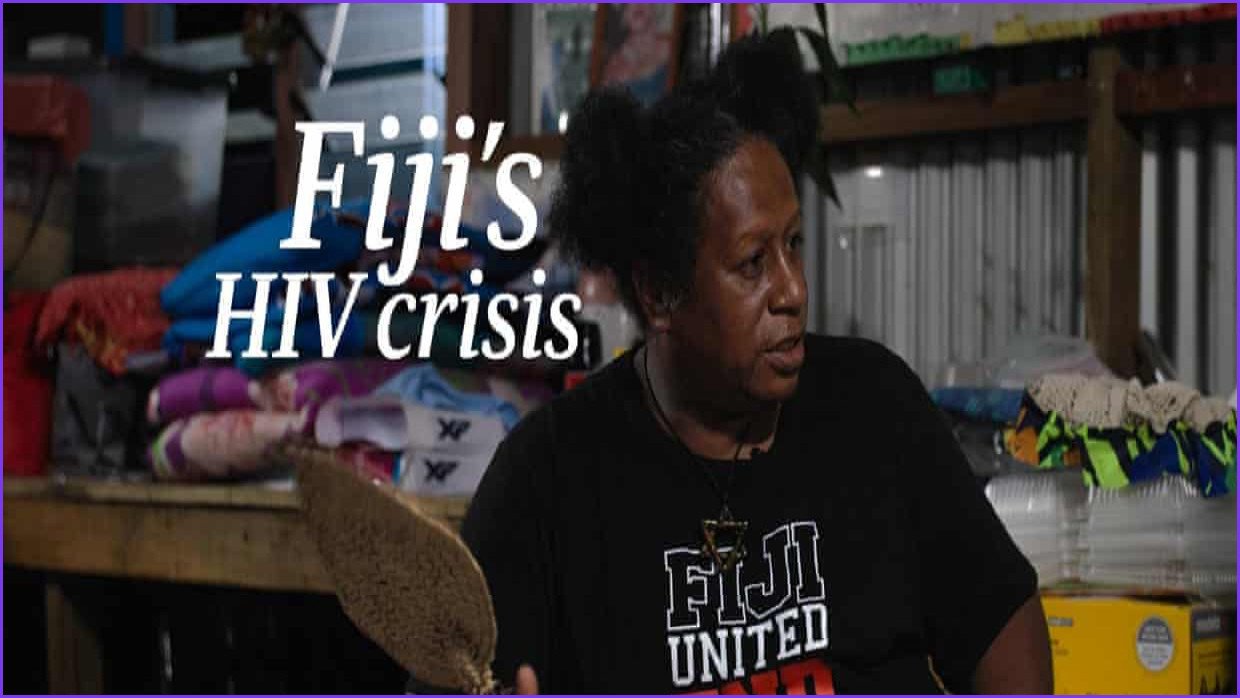
In response to a dramatic spike in HIV infections linked to a growing methamphetamine crisis, Fiji has declared a national health emergency.
The country's Minister for Health and Medical Services, Dr. Ratu Atonio Lalabalavu, announced the emergency declaration on social media, stating that an outbreak-level response was no longer adequate to address what he described as an "epidemic." He emphasized that the decision recognizes the gravity of the situation and underscores the need for an urgent, coordinated national effort. The declaration follows a cabinet decision made on September 9.
Government projections indicate that approximately one in every 60 adults in Fiji is now living with HIV, a steep rise from five years ago when the estimate stood at one in 167. In 2025 alone, the Pacific nation recorded 2,060 new HIV diagnoses. Lalabalavu also revealed a troubling statistic: one in 50 pregnant women in the country is currently living with HIV.
According to UNAIDS, Fiji, which has a population of fewer than one million people, is experiencing one of the fastest-growing HIV epidemics in the world. New infections in the country surged 12-fold between 2010 and 2025. This rapid spread is heavily linked to Fiji's role as a drug-trafficking hub and a corresponding rise in local methamphetamine consumption. The crisis is further exacerbated by unsafe injecting practices, a lack of clean needles, low public health awareness, cultural stigma, and inadequate access to testing and treatment.
UNAIDS data shows that among cases with a known transmission route, more than half are linked to sexual transmission, while over 42% are associated with injecting drug use. Out of an estimated 9,100 people living with HIV in Fiji in 2025, only 39% were aware of their diagnosis, and just 22% were receiving antiretroviral treatment.
Winnie Byanyima, the executive director of UNAIDS, remarked on Wednesday that Fiji's crisis serves as a stark global reminder that the fight against AIDS is not over. She commended the country for recognizing the urgency and mobilizing a response. UNAIDS welcomed Fiji's plans to establish a needle and syringe program, which will require legislative amendments in parliament, alongside broader initiatives to scale up prevention, testing, and treatment services.