FIFA has triggered widespread controversy across the global football community after announcing plans to sell off minority stakes in the World Cup to private investors. Under the proposal, the governing body intends to establish a private company to manage the commercial rights and delivery of the tournament.
While FIFA argues the move will significantly boost development funding for its member associations, critics warn that introducing private capital threatens the very integrity of the sport.
The governing body plans to raise an initial capital sum of $4.2 billion by selling minority, non-controlling investments in the new company. According to FIFA, this capital would fund an "exceptional and immediate" tranche of up to $20 million (£15 million) in "one-off capital" for each national member association (MA) through the voluntary FIFA Fast Forward Programme (FFFP) as part of FFE.
FIFA's official media release heavily focused on this development funding, projecting that stadium projects and other initiatives would benefit as funding rises from $8 million (£6 million) per MA to $20 million (£15 million) between 2027 and 2030, eventually reaching $24 million for the 2035 to 2038 cycle.
FIFA President Gianni Infantino defended the proposal, stating it was about "the democratisation of football worldwide."
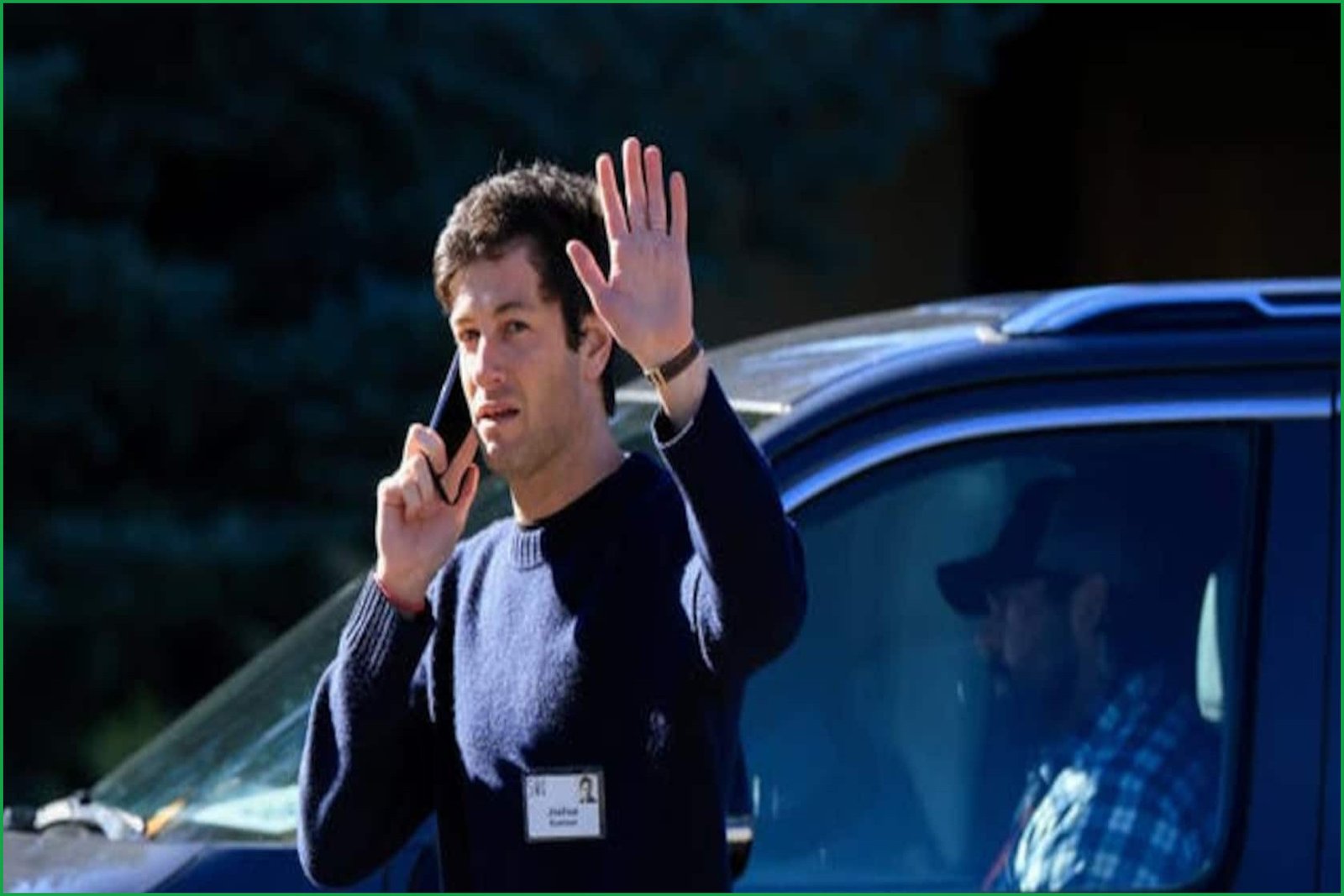
However, the financial incentives have been overshadowed by the identity of the prospective lead investor. The investor group for FFE is set to be led by Thrive Eternal, a firm founded earlier this year by Joshua Kushner, the brother of US President Donald Trump's son-in-law Jared Kushner. According to Reuters, Josh Kushner has been in talks about becoming the lead investor.
This connection prompted immediate criticism from US Democratic Congressman Jamie Raskin, the ranking member on the US House Judiciary Committee, who accused FIFA of "going into business" with the Trump family. The committee recently called Infantino to answer allegations that FIFA engaged in a "sustained campaign" to secure special favors from President Trump.
The proposal has also met with fierce resistance from European football authorities. UEFA, which reportedly knew almost nothing about the plans until reports first emerged in The Times and the Financial Times, released a scathing statement declaring that the move "crossed a line." UEFA warned that the proposal must be taken extremely seriously by every national association, league, club, player, supporter, and government.
"The soul and governance of football are not assets to trade – especially with zero transparency as to who gains financially," UEFA's statement read. "None of us are the owners of football. It is not Fifa’s to sell." While the Football Association has not officially commented, it was also completely unaware of the plans until the initial reports emerged.
Former FIFA President Sepp Blatter, whose tenure ended amid the 2015 corruption scandal, also condemned the deal on X, writing: "The close relationship between the Fifa President and the US President has reached a financial dimension that is deeply damaging football. No one has the right to sell our game." Further opposition came from the UK's new prime minister Andy Burnham, who voiced his concerns on X, stating: "Let me say this very directly.
Football does not belong to investors. It belongs to the people who fill the stands and who stand on the touchline week in, week out, rain or shine. Football belongs to the fans. It always has, and it always will."
The proposal requires the approval of both the FIFA Council and FIFA's national member associations, though no timeline for a vote has been announced. While the financial windfall may appeal to less wealthy nations, critics fear that private investors will demand higher returns, putting pressure on FIFA to expand its competitions and prioritize financial gains over sporting integrity. The dispute threatens to deepen the existing rift between UEFA and FIFA.
Relations were already highly strained, highlighted by UEFA President Aleksander Ceferin's decision to boycott the recent World Cup final over governance issues, including the Folarin Balogun case. This latest clash has the potential to trigger a historic split in the global game, drawing comparisons to the European Super League crisis.
In other football developments, La Liga president Javier Tebas criticized the governing body, stating that FIFA competitions are not Infantino's property. Meanwhile, Marc Cucurella has kept his promise by getting a tattoo of Luis de la Fuente. Additionally, questions are being asked about who Susanne Daubner is as the search continues for the football word of 2026.
Separately, the Premier League has issued a statement explaining why Tottenham Hotspur midfielder James Maddison was not awarded a penalty against Leeds upon his return from injury in their recent draw.
The financial incentive to back the proposal, particularly for the less wealthy MAs, will be huge but there are already concerns that in this model, private investors will seek ever greater returns – which could lead to pressure being put on FIfa to increase the size and frequency of its competitions and increasingly make decisions based on financial rather than sporting considerations.
Corinthians schedule Thursday return for Memphis with two-day medical