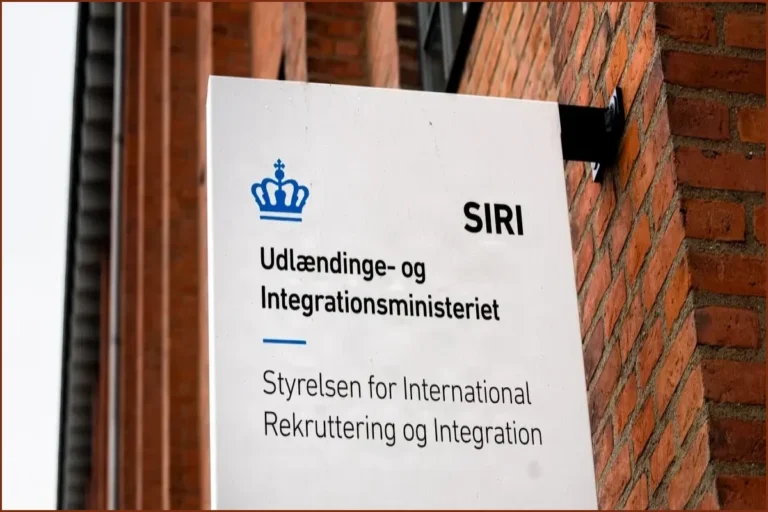
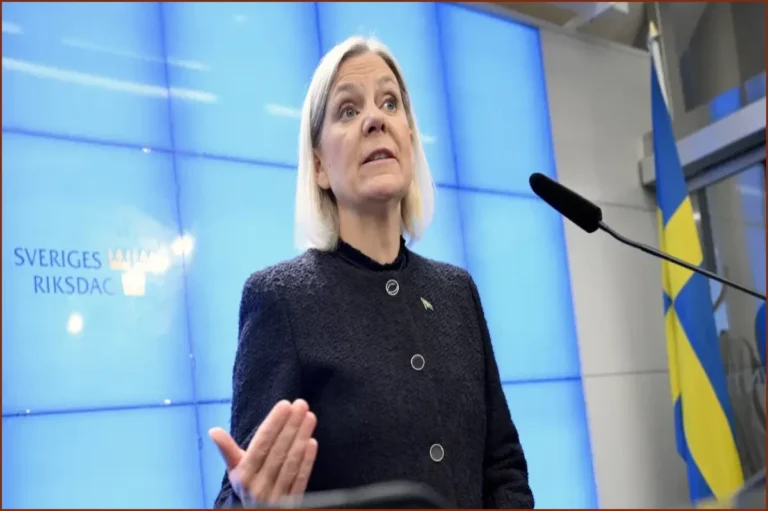
Recent developments across Europe continue to reshape the landscape for residency and work permits. In Denmark, officials are preparing to slash the salary threshold for specific work permit applicants by nearly 20,000 kroner, a move aimed at streamlining the entry process for international talent. Meanwhile, in Sweden, the migration sector remains a focal point of intense political debate. The country has implemented stricter residency rules, though legislative efforts to introduce a child detention bill have faced delays due to challenges from the opposition.
Sweden’s immigration environment has seen significant scrutiny, particularly regarding post-Brexit deportations. The Swedish migration minister has defended the government’s position, asserting that the nation has fulfilled its commitments, even as the Green Party calls for an immediate halt to the deportation of teenagers and the reintroduction of a safety clause to limit Brexit-related expulsions. These tensions were highlighted by the case of a British national facing deportation who reported no prior awareness of a specific Brexit deadline. Adding to the complex political climate, the country's recent, unexpectedly close election result has left many foreign residents questioning the future of their status.
Elsewhere, the administrative process for obtaining legal status remains challenging. In Austria, authorities emphasize the importance of language proficiency, with officials advising applicants that learning German is the most effective strategy for securing a residence permit. In Germany, prospective residents are encouraged to follow specific checklists to manage the complex paperwork required to settle in the country. Meanwhile, Vienna's immigration authority says citizenship cases are not affected by the corruption probe.
As European nations adjust their migration frameworks, the overall number of residency permits issued across the continent has reached a record high. LISTED: The new migration rules that have changed life in Sweden for foreigners, while debates persist over What's the difference between German citizenship and residency? and the ethical implications of forcing long-integrated individuals to leave.