Denmark is set to implement a new collective agreement-based work permit scheme starting at the beginning of next year. This initiative is designed to simplify the process for citizens from 16 specific nations to obtain a work permit in the country. Under the new regulations, applicants must secure a job offer with a minimum annual salary of 322,000 kroner, which equates to 26,833 kroner per month. This salary figure is intended to be updated on an annual basis.
This change represents a substantial reduction from the existing salary requirement, which currently stands at 552,000 kroner per year, or 46,000 kroner per month. To qualify, applicants must be citizens of countries identified in a document published by the immigration and integration ministry. This list includes countries with high levels of mutual investment with Denmark, those seeking EU candidacy, and nations that have established bilateral mobility agreements with Denmark. The 16 countries currently included are the United States, the United Kingdom, Singapore, China, Japan, Australia, Canada, India, Brazil, Malaysia, Montenegro, Serbia, North Macedonia, Albania, Ukraine, and Moldova. The law text notes that applicants from these countries will not qualify if there are specific foreign policy reasons to exclude them. EU citizens remain exempt from the requirement to hold a work permit to work in Denmark.
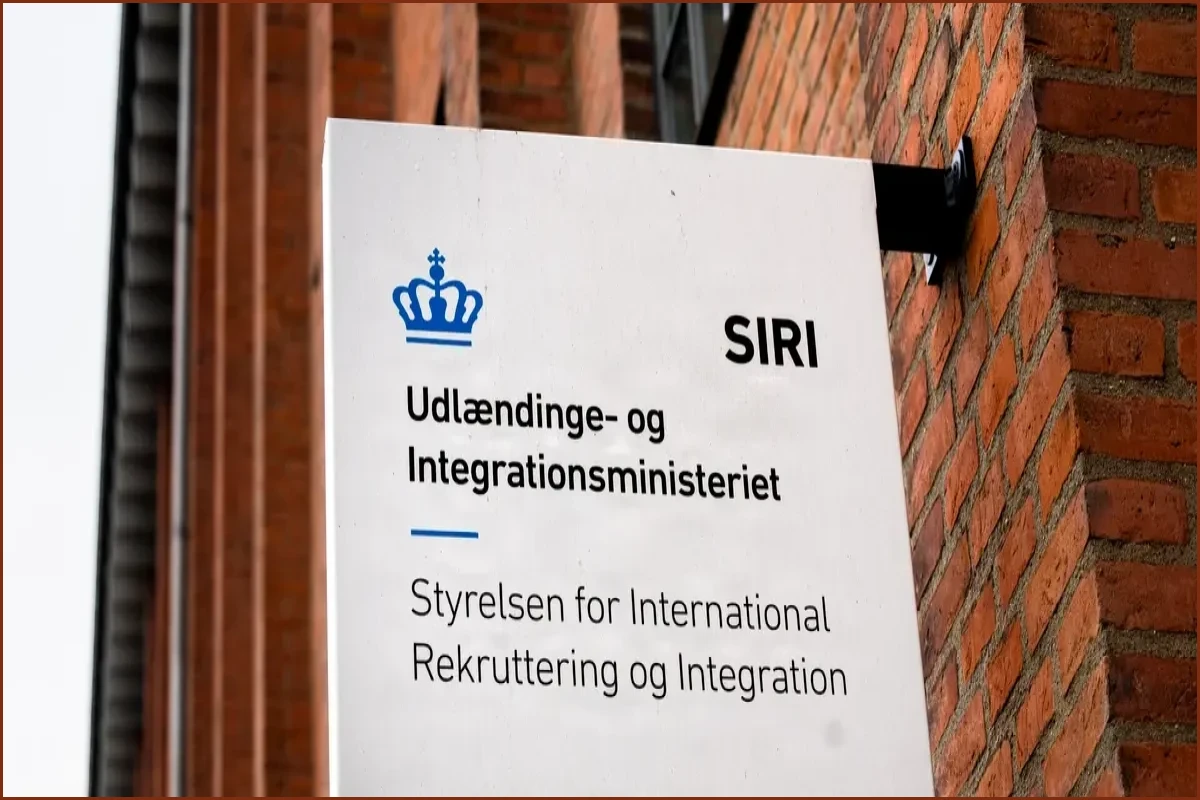
To participate in this scheme, companies must be certified with the Danish immigration agency, SIRI. Certification applications are scheduled to open in December 2026. Furthermore, any company wishing to hire under this system must hold or sign a collective bargaining agreement with a trade union. This requirement is intended to prevent social dumping, where foreign workers might otherwise be employed under conditions inferior to those provided to Danish staff. The legislation was originally proposed by the outgoing government but was not passed before Prime Minister Mette Frederiksen called for a general election in late March. Following the election, the Moderates and Social Democrats renegotiated the proposal with their new coalition partners, the Social Liberals and the Green Left, resulting in the bill's parliamentary approval. Initial estimates suggested the scheme would attract 550 new labor migrants per year by 2030, a minor fraction of Denmark’s existing foreign workforce of over 400,000 people.