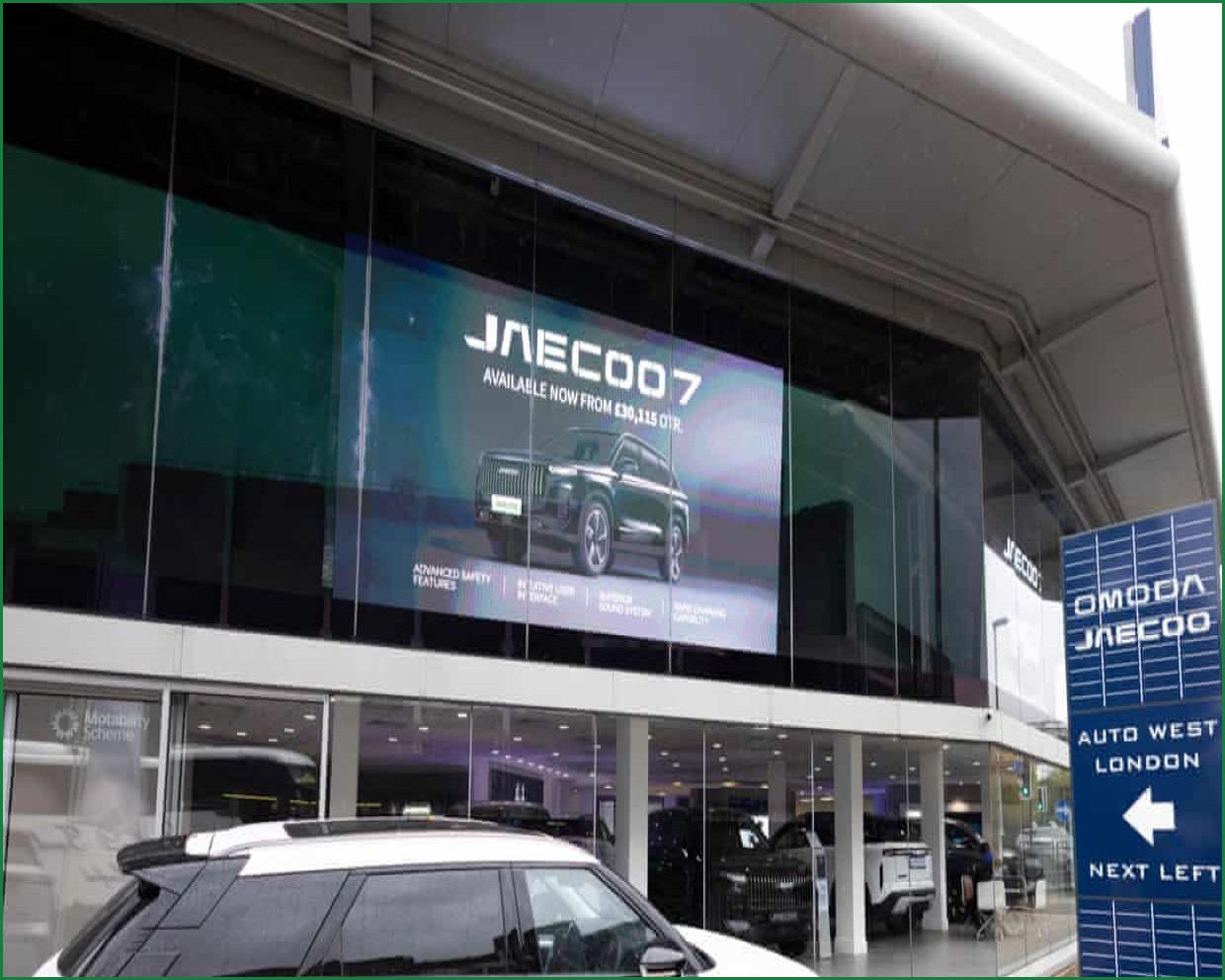
The European Commission has officially confirmed plans to cap the number of hybrid electric vehicles imported from China at 350,000 units per year. This decision comes as the European Union seeks to address a significant surge in imports, with approximately 800,000 battery and plug-in hybrid vehicles projected to be sold within the bloc this year alone.
To implement this restriction swiftly, the EU is invoking World Trade Organization (WTO) safeguard measures, which allow for the imposition of quotas without the lengthy investigative processes required for anti-dumping actions. Under this new policy, any vehicles arriving beyond the 350,000-unit quota will not be subject to additional tariffs; however, they will be blocked from entry at European customs facilities.
The quota specifically targets vehicles imported from China. Officials confirmed that Chinese-branded vehicles assembled within the European Union, such as those produced in Hungary or future planned facilities in Spain, will be exempt from the limitation. Conversely, vehicles manufactured in China by EU-based companies will be subject to the quota.
The move follows a sharp increase in trade volume, with Chinese exports of hybrids to the EU reaching €6.7bn in the first half of this year, a threefold increase from the €2.2bn recorded during the same period last year, according to Chinese customs data. Officials noted that the quota has the full support of China and that diplomatic dialogue regarding other sectors, including furniture, renewable energy, and chemicals, remains ongoing.
The shift in trade strategy reflects growing concerns within the EU regarding deindustrialization and potential job losses in industrial regions. While the EU previously focused on increasing exports to China to balance trade, a "paradigm shift" has occurred, leading to a more defensive stance. An official stated that the EU is closely monitoring imports to identify surges that most acutely threaten European industrial stability.
Beyond the current quota, EU leaders are scheduled to discuss a French-German proposal for a "kill switch" mechanism on Thursday. This instrument would empower Brussels to restrict market access for specific goods if harmful developments arise, such as a potential ban on rare earth materials essential to the technology and automotive sectors.