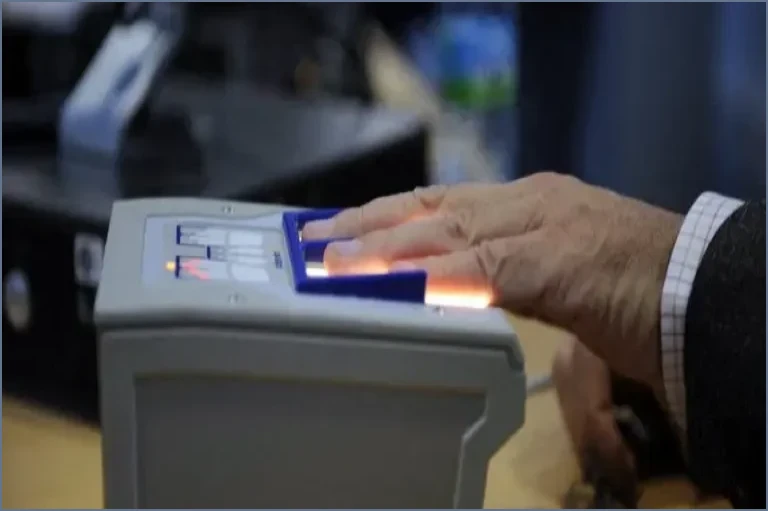
The European Commission is currently planning a comprehensive revision of the rules governing short-stay visas within the Schengen area. This initiative is designed to make the European Union’s visa policy more coherent, secure, and effective, while simultaneously facilitating legitimate travel for tourism, work, training, family, and other purposes. These regulations currently apply to non-EU citizens who require a visa to visit the Schengen area for up to 90 days in any 180-day period; notably, 61 countries or territories are currently exempt from this requirement.
According to a call for evidence published this week, the Commission intends to address several existing shortcomings, particularly regarding business travellers. The proposal aims to explore ways to facilitate travel for reliable applicants and trusted business travellers, potentially through the creation of common lists of verified companies by third country or jurisdiction. Employees of these companies could benefit from targeted facilitations, such as fast-track processing, priority appointments, or a reduction in the number of supporting documents required. The Commission notes that while business travellers acting on behalf of trusted companies generally present a lower risk profile, there is currently no common EU approach to identify them or their corporate sponsors.
The upcoming proposal, which is expected to be presented in the first quarter of 2027, also seeks to tighten rules regarding third countries that do not sufficiently cooperate in the fight against illegal migration, migrant smuggling, or security. The Commission is considering the introduction of restrictive visa measures at the EU level in cases of a serious deterioration in the political or security situation in a non-EU country. This includes scenarios involving hostile actions, hybrid threats, information manipulation and interference, the instrumentalisation or weaponisation of migration, acts of sabotage, or espionage and open aggression.
As part of this initiative, the EU executive is also evaluating a harmonised additional charge to be levied at the EU level on top of the standard Schengen visa fee. Revenues from this charge would be used to support the further development of the common visa policy. In 2024, Schengen countries—which include EU member states except for Ireland and Cyprus, along with Norway, Iceland, Liechtenstein, and Switzerland—received more than 11.7 million applications for short-stay visas and issued almost 10.3 million visas.
The Commission has invited interested stakeholders, including people living in the EU, citizens of non-EU countries, national authorities, businesses, travellers, and civil society organisations, to submit their comments by 6 October.