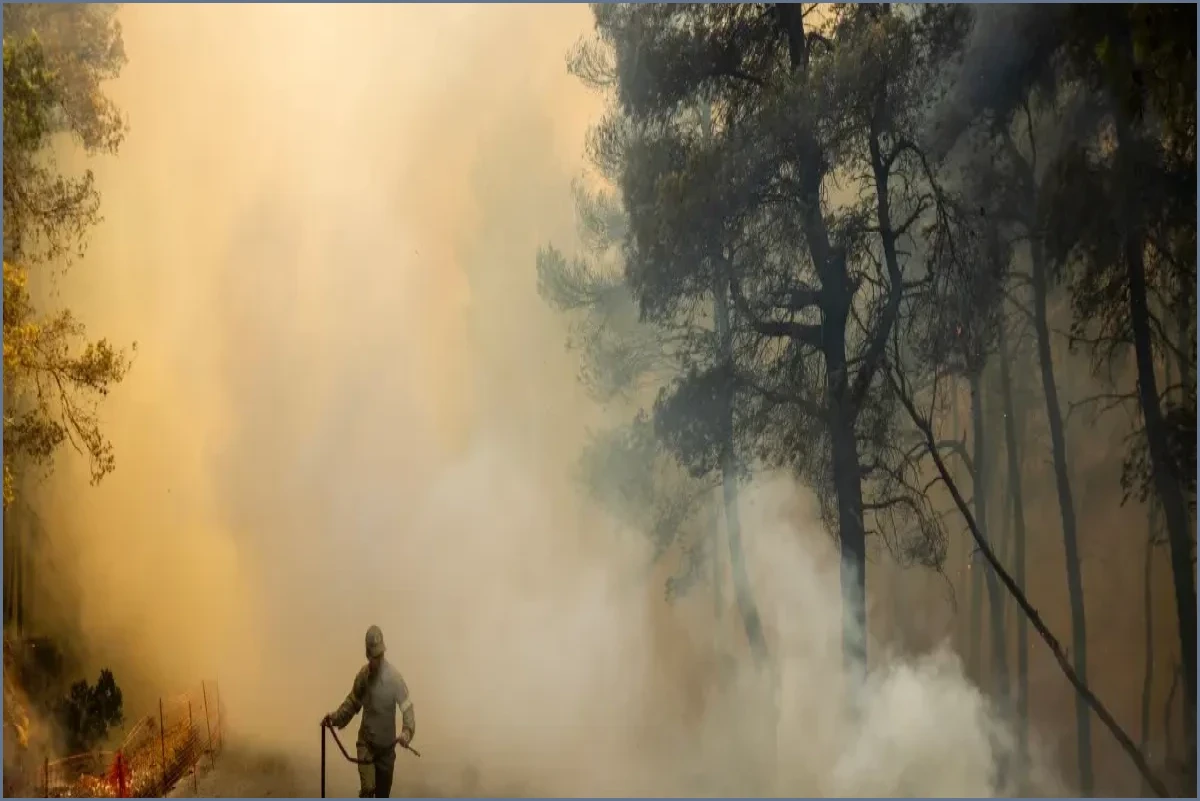
Following a deadly summer characterized by record-breaking heatwaves across Europe, the European Union faces mounting pressure to reinstate climate change as a primary political priority. With the continent only recently emerging from an intense period of extreme temperatures, the topic is expected to feature in the "State of the European Union" address scheduled for September 16. This annual speech serves as a blueprint for the bloc’s political agenda for the coming year.
Scientists have consistently identified recurring heatwaves as clear indicators of global warming, primarily driven by the combustion of coal, oil, and gas. Experts warn that these weather events are poised to become more frequent, longer, and increasingly intense. Despite this, environmental advocates have expressed frustration, noting that climate concerns have been sidelined in favor of defense and industrial objectives over the past two years.
In a coordinated effort to influence the upcoming address, approximately 200 environmental organizations sent a letter to European Commission President Ursula von der Leyen in August, urging her to present concrete strategies for transitioning the 27-nation bloc away from fossil fuels. In a potential indicator of shifting priorities, the EU’s 27 commissioners are set to convene with Swedish climatologist Johan Rockstrom for a post-summer seminar in Brussels this Friday.
However, the path forward remains contentious. EU insiders suggest that von der Leyen’s speech will likely emphasize "climate resilience" and the economic potential of green industries—areas described as "low-hanging fruits." These themes have been central to her leadership for the past seven years, and legislation concerning climate resilience was already scheduled for presentation before the end of the year.
The political landscape has also shifted, with green parties losing ground in the 2024 European elections. The current European Parliament is dominated by a business-friendly center-right majority, with far-right climate skeptics also gaining increased influence. Right-wing lawmaker Celine Imart stated that the priority is not to "repaint in green laws that Europeans have asked to be changed."
Internal divisions persist within the commission, particularly regarding the economic impacts of carbon market reforms on the aviation and maritime sectors. Furthermore, EU member states are currently locked in negotiations over the allocation of limited resources within the bloc’s next long-term budget. Green leader Terry Reintke acknowledged the difficulty of the situation, describing it as "an uphill battle," yet maintained that her group would "push very, very hard" for meaningful climate action, noting that the current situation represents an "existential" challenge.
"We are talking about existential situations here," she told AFP.
READ ALSO: Heatwave-hit Europe logs over 30,000 excess summer deaths