The European Union and Canada are set to elevate their bilateral relationship to the highest possible level during a two-day summit in Montreal. As the 27-nation bloc and Ottawa navigate a complex global landscape characterized by increasing rivalries and shifting international ties, both sides aim to solidify an ever-closer partnership.
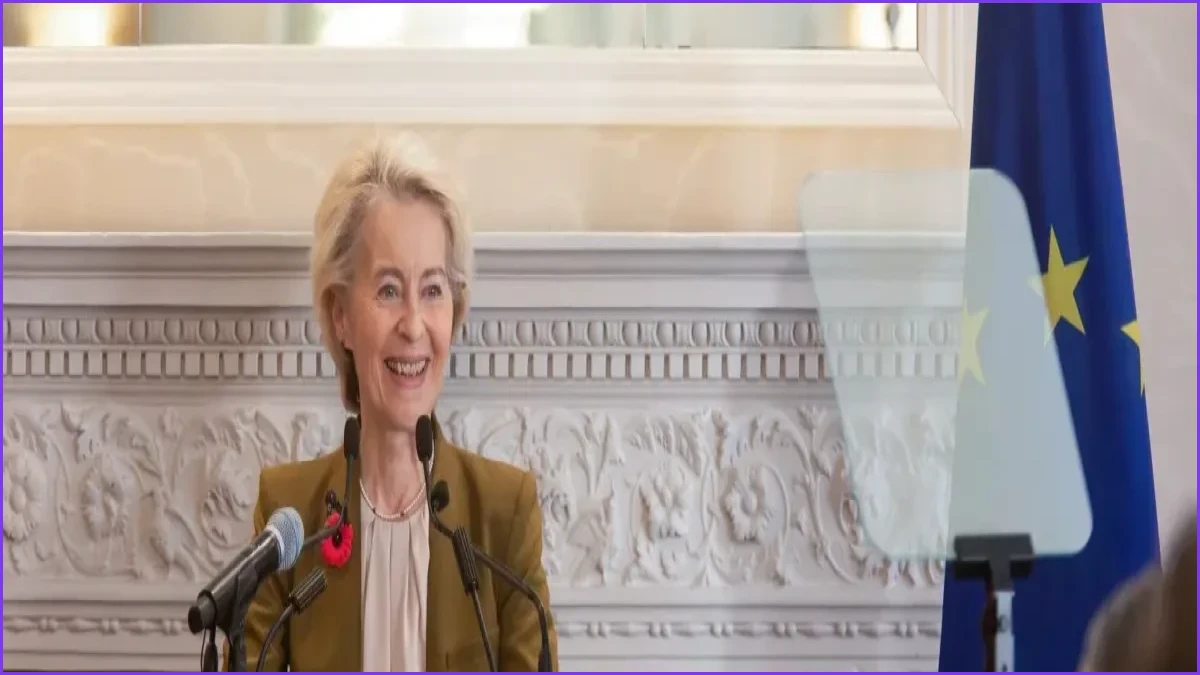
European Commission President Ursula von der Leyen emphasized the necessity of this collaboration, stating, "In a world of growing rivalries, sovereignty and independence are no longer just the freedom to act alone. It is the capacity to act together." She noted that both parties are currently facing economic pressures, adding, "When trade becomes a tool of economic pressure, families pay the price, from the supermarket shelf to the cost of a new car. We are seeing in real time our sovereignty being attacked."
A primary point of discussion involves a proposed "association without accession" framework. While von der Leyen has championed the idea of Canada becoming the EU's "first associate member," the term is not currently recognized within EU treaties. Internal disagreements, led primarily by Germany, resulted in the removal of this specific terminology from the joint summit statement, though officials remain committed to the underlying goal of a deeper alliance.
Canadian Prime Minister Mark Carney has signaled a shift in strategy, warning that relations with the United States will not return to a pre-Trump normal. He has identified the reduction of dependence on the U.S. as an urgent national priority and promised a "new, ambitious alliance" with the EU. Both Canada and the EU have faced challenges stemming from U.S. tariffs and critical rhetoric from the current American administration.
Beyond political alignment, the summit is expected to produce concrete cooperation in several strategic sectors, including artificial intelligence, energy, and climate policy. An anonymous EU official indicated that the partnership would allow Canada to participate in select European programs, with discussions also centering on Canadian involvement in the EU's Erasmus youth exchange program.
Economic security remains a central theme, as Brussels seeks to reduce its dependency on Chinese goods and raw materials. Canada, which holds significant reserves of critical minerals essential for green technologies such as wind turbines and batteries, may enter into agreements allowing the European Investment Bank to support Canadian mining infrastructure projects. Regarding the specific branding of the new partnership, Prime Minister Carney remarked that he was not concerned with labels, stating, "What matters is the difference that it will make to the lives of Canadians."