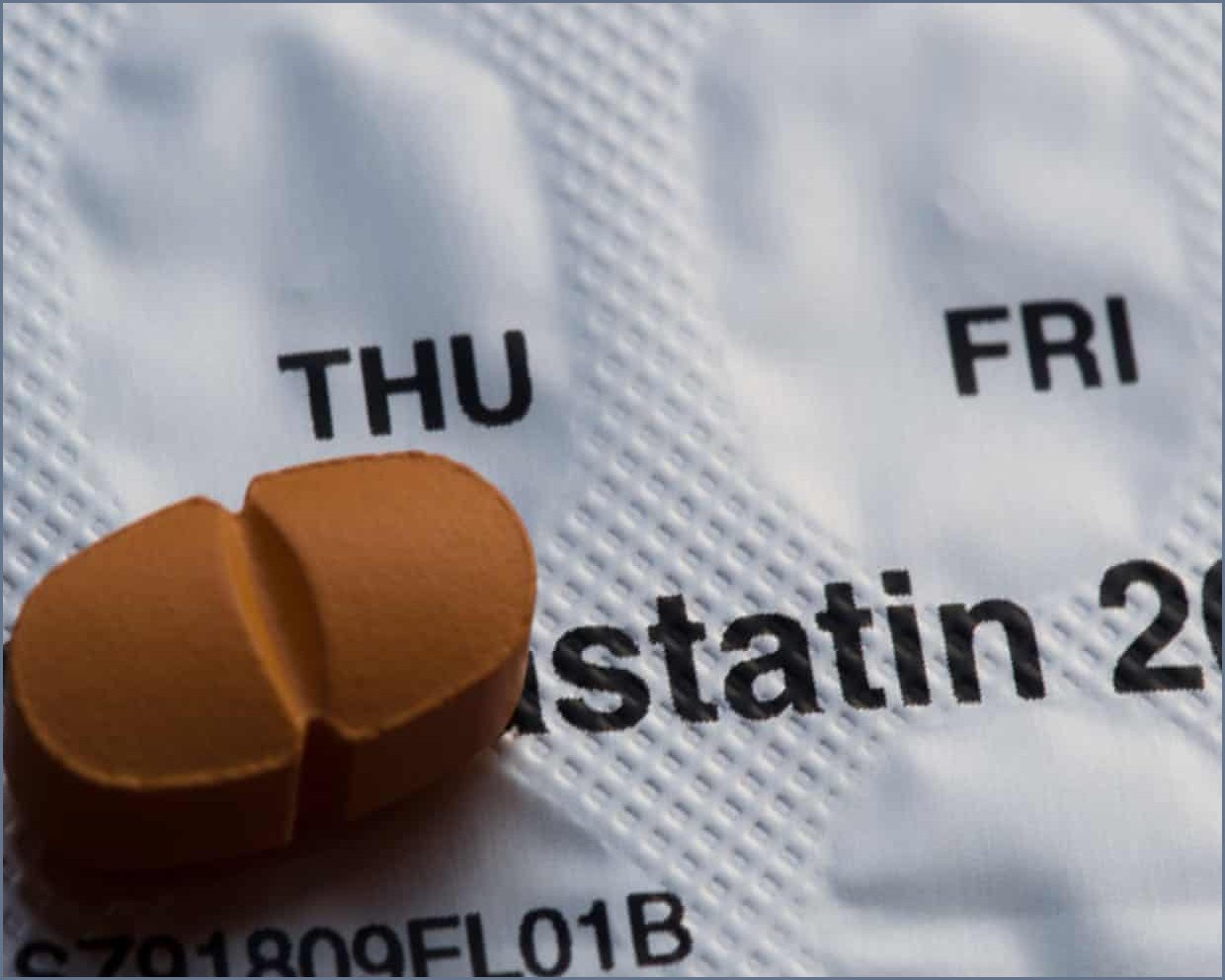
A 15-year research project has indicated that statins, the widely used cholesterol-lowering drugs, may reduce the risk of dementia by up to 15%. The findings, which suggest that the timing of the medication is critical, were presented on Sunday at the annual congress of the European Society of Cardiology (ESC) in Munich and simultaneously published in the journal The Lancet Regional Health Europe.
Researchers tracked 132,585 individuals in Denmark between 2006 and 2021. The study found that participants who began taking statins during the study period were 10% less likely to develop dementia, while those who started the treatment earlier in life saw their risk reduced by 15%. These results were consistent across both men and women. Dr. Tummas Ternhamar of Copenhagen University Hospital, who presented the findings, noted that all participants in this specific study had type 2 diabetes.
The global burden of dementia is significant, with the number of people living with the condition projected to nearly triple to 153 million by 2050. However, experts estimate that nearly half of these cases could potentially be prevented or delayed. Dr. Ternhamar suggested that the study supports a multicomponent approach to health, where cholesterol management is integrated with other lifestyle measures like physical activity and healthy eating. He emphasized that the findings reinforce the importance of acting early, stating, “What our findings also add is that timing matters within that – acting early looks better than acting late.”
Statins function by reducing low-density lipoprotein (LDL) cholesterol in the blood, which prevents plaque buildup in arteries. Experts believe this mechanism also protects the brain by preventing the hardening or narrowing of blood vessels that supply it. By reducing LDL-C, statins may protect against cerebrovascular atherosclerosis, ischemic stroke, and subsequent damage to brain tissue, providing a plausible biological link for the observed reduction in dementia risk.
The medical community has responded with interest to the potential public health implications. Prof. Isabel Goncalves, a member of the ESC communication committee, described the findings as potentially important due to the widespread availability and low cost of statins. Dr. Honorine Lebraud, a senior partnerships manager at Alzheimer’s Research UK, noted that the study adds to the growing evidence that “what is good for the heart is good for the brain.”
While the results are promising, Prof. Bryan Williams, chief scientific and medical officer of the British Heart Foundation, cautioned that the research is observational. This means it can identify an association but cannot definitively prove that statins themselves are the direct cause of the lower dementia risk. Nevertheless, he acknowledged that the findings are plausible, noting that other trial evidence supports the link between statins and a reduced risk of dementia.
Previous research from the Lancet dementia commission suggested addressing 14 modifiable risk factors, starting in childhood and continuing throughout life, could prevent or delay 45% of dementia cases.
Compared with no statin initiation, early statin treatment was associated with a 15% lower relative risk of dementia over 10 years. Late statin initiation was associated with a 10% lower relative risk of dementia over 10 years.