The ongoing Ebola outbreak in the Democratic Republic of Congo (DRC) is currently on a trajectory to surpass the 2014-2016 West Africa epidemic, according to the World Health Organization (WHO). During a media briefing in Geneva on Wednesday, WHO chief Tedros Adhanom Ghebreyesus stated that the current situation is already the second-largest Ebola epidemic in history and is characterized by a faster rate of transmission than any prior outbreak.
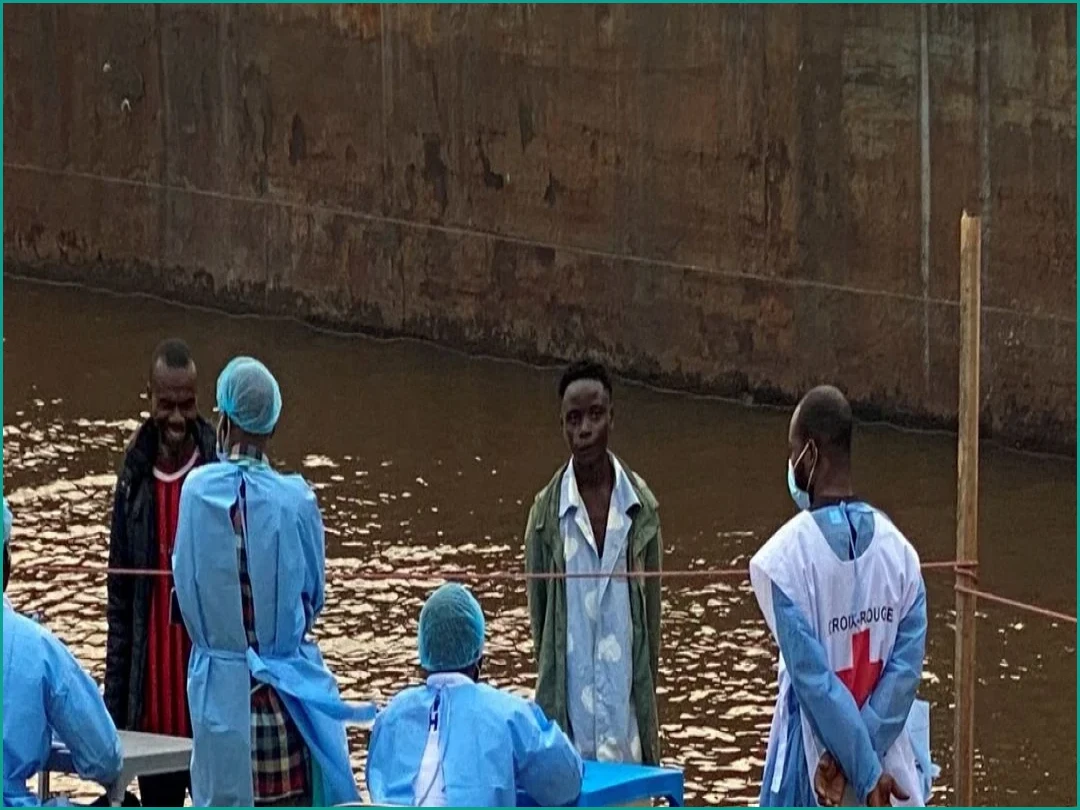
Official reports indicate that there have been 4,449 confirmed cases and 2,061 fatalities across 53 health zones in five provinces. The province of Ituri remains the primary concern, accounting for approximately 90 percent of all cases and 80 percent of the total deaths, with ongoing transmission identified in areas such as Bunia, Nizi, Lita, and Rwampara. Tedros highlighted that a significant number of these deaths are occurring within local communities rather than in specialized treatment centers, often outside of established contact tracking lists, which suggests the existence of unidentified chains of transmission.
In response to these challenges, the WHO and its partner organizations are working to increase surveillance efforts, aiming to boost contact tracing from 80 percent to 95 percent. Plans are also in place to triple treatment capacity to 3,000 beds within the next 12 weeks. Despite the absence of specific, approved vaccines and therapeutics, 886 patients have successfully recovered, and over 21,000 community health workers have completed training. Tedros noted that two vaccines specifically designed to combat the Bundibugyo virus have now entered phase one human safety trials. Regarding financial support, $264 million of the $518 million required for the Continental Preparedness and Response Plan has been disbursed.
Dr. Chikwe Ihekweazu of the WHO noted that it remains impossible to determine the exact start date of the outbreak, though current estimates suggest it began two to three months prior to its official declaration. Emphasizing the need for intensified efforts and increased community ownership in the response, Ihekweazu stated, "At the moment, the message is very clear: we are not where we need to be."