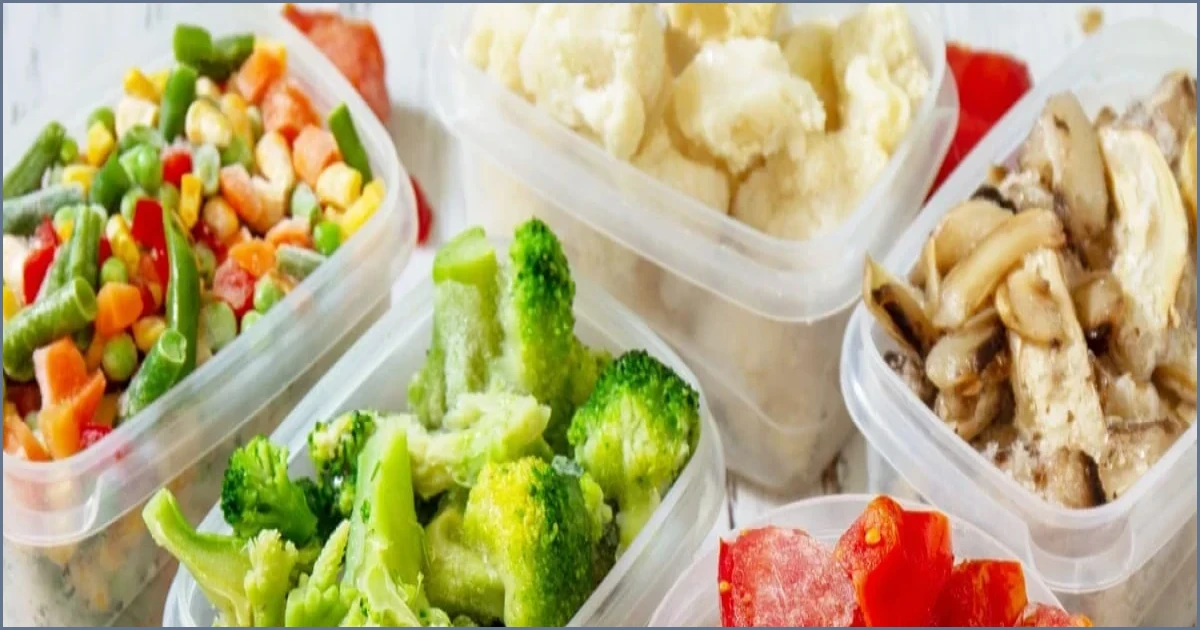
A new generation of plasticizers, long marketed as a safer and non-toxic alternative to traditional phthalates, is now facing scrutiny after a peer-reviewed study linked the chemical to lower birth weights and fetal development complications. The chemical, known as Dinch—formally identified as 1,2-cyclohexane dicarboxylic acid diisononyl ester—is frequently utilized in soft plastic food packaging within the United States and the European Union. Beyond food containers like cling film and wine corks, the substance is also found in children’s toys, medical devices, textiles, and flooring.
Researchers from NYU Langone Health analyzed federal health data from more than 6,600 pregnancies as part of the National Institutes of Health Environmental influences on Child Health Outcomes (Echo) Program. The findings suggest that up to 70% of the women studied had detectable levels of Dinch in their urine. Higher concentrations of the chemical were associated with an increased risk of infants being classified as "small for gestational age," meaning they fell below the 10th percentile for babies born at the same point in pregnancy. Specifically, the study indicated that every tenfold increase in Dinch exposure correlated with a 27-gram reduction in newborn birth weight, compared to an average weight of roughly 3,400 grams (about 7.5lbs).
Lead author Leonardo Trasande emphasized that these results highlight the dangers of "regrettable substitution," a process where industry replaces a known toxic chemical with a similar compound before its long-term health effects are fully understood. While Dinch was introduced as a "high safety" alternative following regulatory crackdowns on phthalates like DEHP in the early 2000s, there has been a significant lack of research into its potential to act as a hormone disruptor. German chemical giant BASF is among Dinch’s major producers and overall global production volume jumped from 25,000 tons in 2002 to 400,000 tons in 2024. Previous studies on human cells and animals have suggested that Dinch by-products might interfere with hormones essential for fetal development or trigger inflammation that impairs the delivery of oxygen and nutrients to the baby.
The study also noted that Hispanic mothers and those with lower education levels were more likely to have children affected by Dinch exposure. Experts from the Switzerland-based Food Packaging Forum expressed concern regarding the lack of comprehensive health information on the substance, noting that it is known to migrate from packaging into food and that population-level exposure in the EU has been rising for years. Trasande argued that this situation underscores the urgent need for stronger oversight, suggesting that chemicals should be rigorously tested for safety before reaching the public market. He added that the ongoing United Nations plastics treaty negotiations offer a potential opportunity to establish more protective policies. In the meantime, researchers suggest that consumers can reduce exposure by opting for plastic-free products, such as glass, wood, or metal alternatives for food storage and kitchen utensils.
But it may not be as safe as industry has claimed, the New York University Langone Health analysis of federal US health data suggests. There is a dearth of research into Dinch health risks, though what exists points toward the chemicals being hormone disruptors that can impact kids’ development.
This process is called “regrettable substitution”, and is common. For example, many chemical companies and goods producers replaced the most dangerous Pfas “forever chemicals”, such as Pfoa, with GenX compounds. But after years of research, the latter have been found to be more toxic.