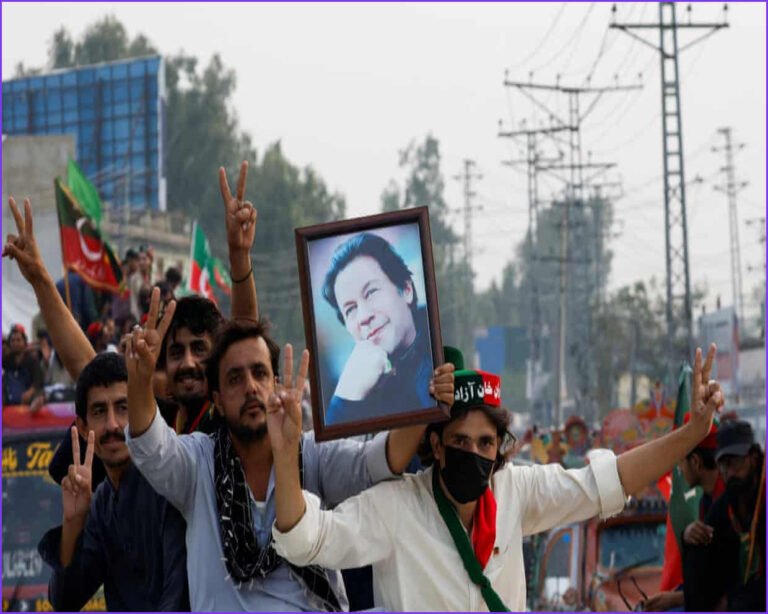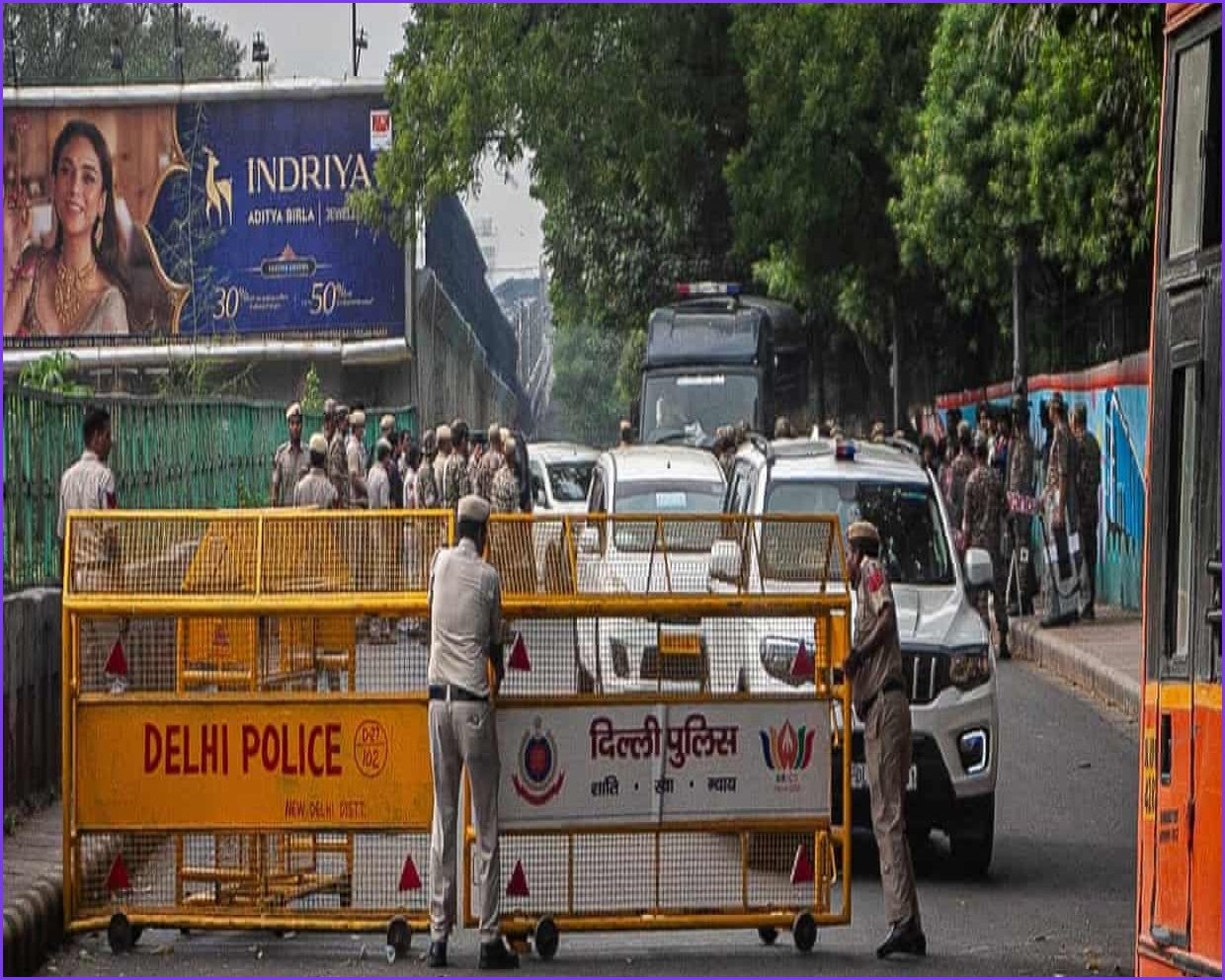
Authorities in India’s capital implemented security measures on Monday, closing six metro stations and warning of traffic disruptions across 20 locations. These actions were taken as opposition parties and supporters of the “cockroach” youth movement prepared to march toward the supreme court to protest a controversial revision of voter lists that has caused days of unrest in Delhi.
Protesters are demanding the resignation of Chief Election Commissioner Gyanesh Kumar, alleging that the revision process, which began last year, unfairly benefits Prime Minister Narendra Modi’s Bharatiya Janata Party (BJP). According to reports, the verification exercise resulted in the deletion of over 130 million names from voter rolls—a figure exceeding Japan's entire population. This total includes 30 million individuals who could not be traced, 28 million who have died, and 63 million who have relocated. Opposition groups claim these deletions disproportionately target Muslim voters and other minorities who are less likely to support the ruling party, a charge both the Election Commission and the BJP have denied.
The Election Commission maintains that it does not favor any political party and stated that voters whose names were removed incorrectly have the opportunity to re-enroll. Meanwhile, the BJP has accused its political rivals of attempting to undermine Indian democracy by questioning standard electoral procedures.
Over the weekend, police detained thousands of demonstrators in Delhi, including leaders of the Cockroach Janta Party (CJP), as security forces locked down central areas of the city. The main opposition Congress party has organized a march to the supreme court to present a memorandum to the Chief Justice, seeking an end to what they describe as “vote theft” and calling for Kumar’s resignation. Congress leader Rahul Gandhi announced on X that his party would be joined by youth, civil society groups, and opposition parties in the march. However, a Congress source indicated that Chief Justice Surya Kant declined a meeting request, advising the delegation to approach the court through formal judicial channels since the matter is already under review.
The youth movement, which has recently mobilized against issues including job scarcity and school infrastructure, represents a significant political challenge to Modi’s 12-year tenure. The protests were sparked by reports in the Indian Express last month, which alleged that two of Kumar’s deputies raised internal concerns regarding the voter list revisions, digital systems, and registration procedures.
The CJP has stated its intention to meet with Delhi police to secure a date for a peaceful protest, threatening to announce further demonstrations if a date is not provided within 24 hours.