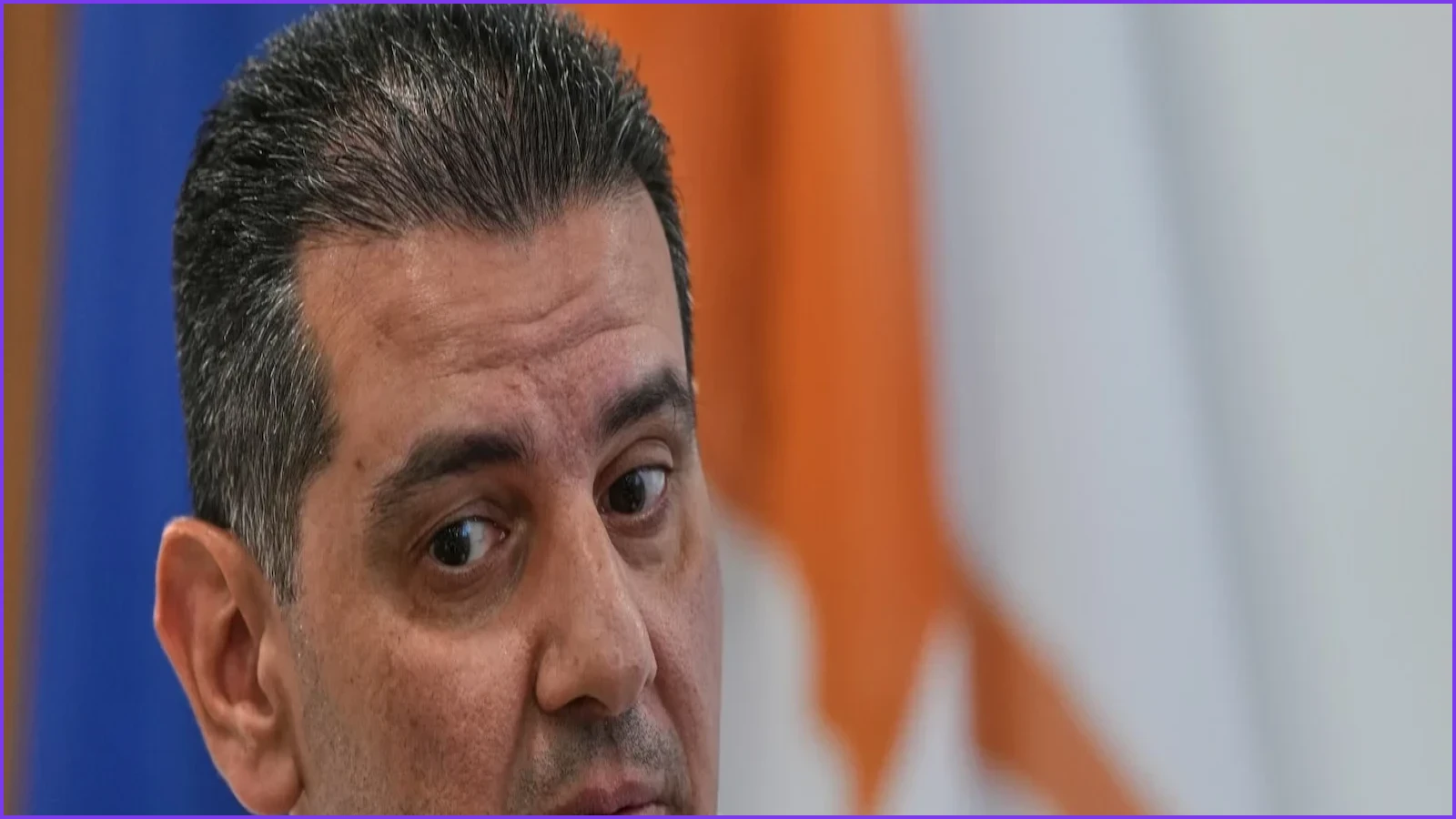
European energy consumers could see natural gas supplies arriving from Cyprus as early as March 2028, according to the nation's energy minister, Michael Damianos. As Russia’s war in Ukraine and ongoing instability in the Middle East drive European nations to diversify their energy imports, the East Mediterranean is rapidly emerging as a critical alternative source for the continent.
Damianos confirmed that partners TotalEnergies of France and Italy’s Eni reached a final decision last month to move forward with the development of the Cronos natural gas field, located off the southern coast of Cyprus. This initiative marks the first time that gas extracted from East Mediterranean deposits will be delivered to European markets.
The logistical plan, outlined by the Eni-TotalEnergies consortium, involves constructing a pipeline from the Cronos field to existing infrastructure at Egypt’s Zohr’s massive natural gas deposit in Egypt, located 105 kilometers (65 miles) away. Work on this pipeline is slated to begin later this year and is expected to take approximately 18 months to complete. Once the gas reaches the Damietta processing facility on Egypt’s northern coast, it will be liquefied and transported to Europe by ship.
Developing the field through this connection to Egypt was selected as the most economically viable path, with costs estimated at approximately $2 billion (1.73 billion euros). Damianos noted that this represents roughly half the cost of developing other potential gas fields in Cypriot waters, largely due to its proximity to existing infrastructure. While acknowledging that Cronos is a relatively small reserve that will not generate massive national income, Damianos emphasized that the primary significance lies in Cyprus officially becoming a gas producer.
Cronos is one of six natural gas deposits discovered within Cyprus’ Exclusive Economic Zone. Two other fields, Glaucus and Pegasus, hold an estimated 6.9 trillion cubic feet (tcf) of gas. ExxonMobil and its partner QatarEnergy, which are licensed to develop these sites, anticipate that gas production will commence by 2033. Damianos expressed confidence in the timeline, noting that ExxonMobil is known for adhering to schedules and occasionally delivering ahead of projections. The minister also indicated that ExxonMobil plans to expand its exploration activities and is expected to receive an additional license for hydrocarbon searches.
Meanwhile, the Aphrodite field, which was the first to be discovered off Cyprus 15 years ago, holds an estimated 5.6 tcf. A final development decision by a Chevron-led joint venture is anticipated in the summer of 2027. Under an existing agreement, this field will be linked directly to Egyptian facilities to meet domestic energy needs, though an arbitrator is expected to rule next month on the percentage of the field that falls within Israeli waters.
In addition to gas production, Damianos highlighted the importance of the Great Seas Interconnector project, an electricity cable designed to link the European power grid with Cyprus and eventually Israel. With the French investment company Meridiam now backing the project, officials hope the interconnector will end the energy isolation of Cyprus and Israel while serving as a foundation for the IMEC initiative, a strategic energy and trade route being pursued by the European Union. The European Union has already committed $760 million (658 million euros) to the project, and efforts are underway to secure additional private investment to reduce the financial burden on Cypriot consumers, who currently face potential electricity price increases under the existing construction agreement.