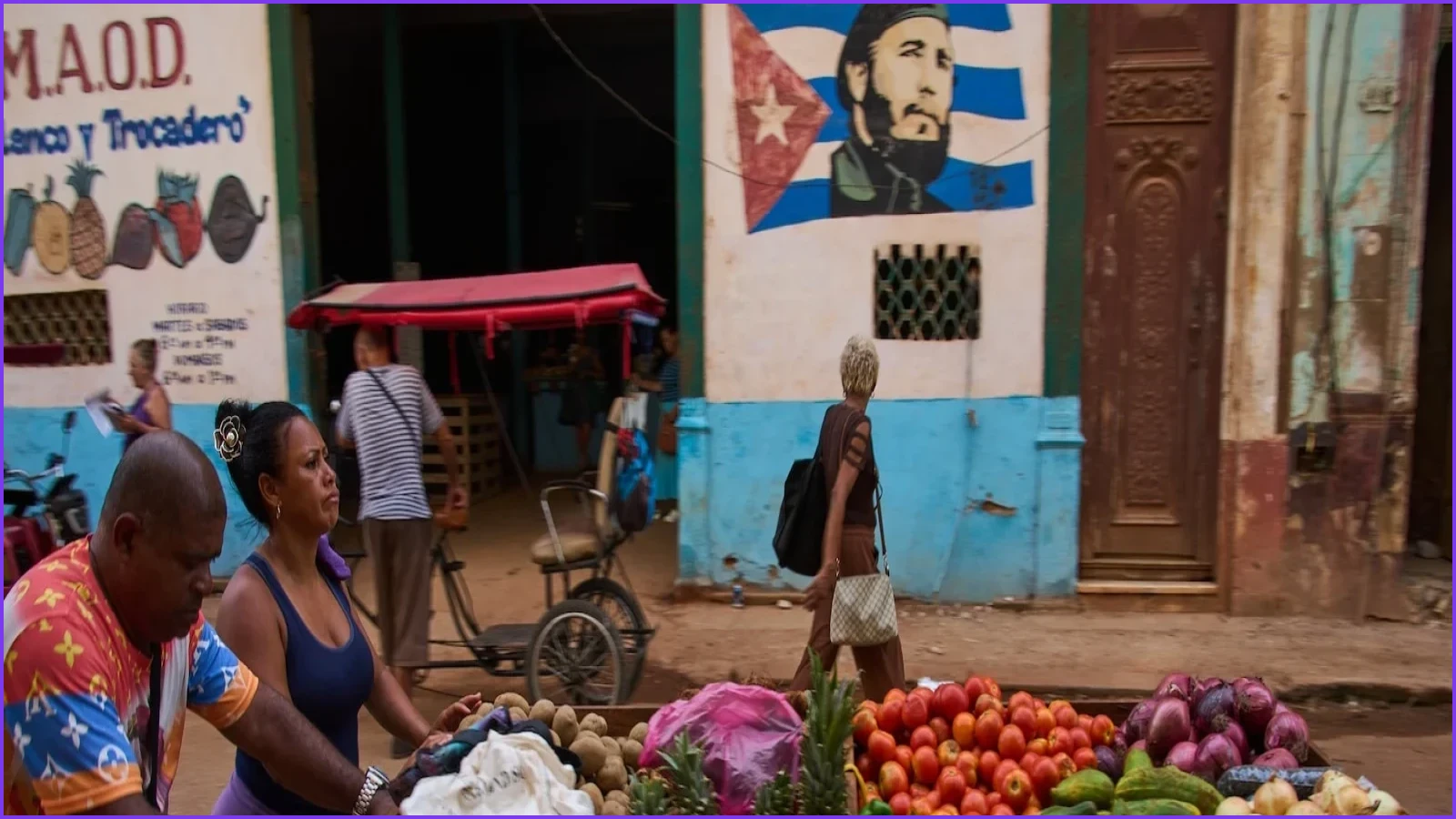
Fidel Castro would have turned 100 years old this Thursday, an anniversary that finds Cuba navigating a profound period of instability. His enduring influence remains a polarizing force, with some citizens viewing him as a symbol of dignity and social progress, while others blame the structures he built for the nation’s current systemic crisis. Throughout the week, the island has held commemorations featuring art exhibitions, concerts, the International Book Fair, and gatherings of leftist delegates from across the continent. His presence is omnipresent in daily life, with slogans like “Homeland or Death” adorning billboards and his image displayed prominently in hospitals. Many Cubans continue to refer to him simply as Fidel.
Miguel Barnet, a writer, essayist, and member of the National Assembly, praised Castro’s legacy, describing it as one of “dignity, morality, tireless work and concern for the poor.” Barnet noted that Castro’s philosophy was implemented through concrete policies in health, education, and culture. Similarly, 61-year-old retiree Argelia Mustelier, a resident of Old Havana, expressed that Castro left behind the positive aspects of the revolutionary process and suggested that, had he been alive, he would have found a way to bring happiness to the country during these trying times.
The centennial arrives as Cuba deals with an intensifying economic squeeze, exacerbated by a fuel blockade imposed by the Trump administration in January and subsequent sanctions aimed at forcing political and economic changes. These measures, combined with a failed domestic financial overhaul and earlier U.S. sanctions, have caused a five-year economic decline. The impact on the population is severe, manifesting in prolonged power outages, shortages of essential medicine and fuel, reduced working and school hours, transportation restrictions, and a decline in tourism and industrial activity, including flight cancellations.
Born on August 13, 1926, in the sugar-producing region of eastern Cuba, Fidel Castro Ruz was the son of a Spanish immigrant who transitioned from recruiting labor for U.S. sugar firms to owning a prosperous plantation. After qualifying as a lawyer, Castro turned to politics. In 1953, he and more than 100 others led an unsuccessful assault on the Moncada Barracks in Santiago de Cuba to topple dictator Fulgencio Batista. Following a period of exile in Mexico, he returned to lead a guerrilla campaign that successfully ousted Batista in 1959. Once in power, Castro governed for five decades until 2008, implementing radical reforms including agrarian reform, nationalization of private businesses, and a massive literacy campaign, which set the stage for his decades-long conflict with the United States.
While he remains an icon for many, his legacy is viewed critically by others. Historian Manuel Cuesta Murúa, who leads the opposition Council for the Democratic Transition in Cuba, argued that there was no justification for the suppression of political diversity and freedom. Cuesta noted that this created a rift with consequences still felt today. For younger generations, however, the connection to Castro is less direct. Cristian Cohello, 27, noted that his generation did not experience Castro as an active leader, as he rarely appeared in public toward the end of his life. Reflecting on the current state of the nation, Cohello expressed a sense of hopelessness, stating that the influence of what Castro left behind is effectively gone and that even the return of a figure like him would not resolve the current crisis.