A new academic year has officially commenced across the Democratic Republic of the Congo, even as parents and teachers voice deep-seated concerns regarding the persistent threat of the country’s Ebola outbreak. The situation is particularly tense in Ituri province, which serves as the epicenter of the current crisis.
Despite a formal request from the union representing teachers in Ituri to postpone the start of classes, the government decided to move forward with the academic schedule. This decision has been met with resistance, and some government-owned schools in the province have reported notably low attendance figures. Local authorities in Ituri have yet to provide a response regarding specific safety measures implemented to mitigate the risk of disease transmission within school environments.
For many families, the resumption of school is a source of anxiety. Aimerance Vahweka, a parent residing in the provincial capital of Bunia, expressed surprise at the sudden restart of classes. She noted that she has chosen to keep her child home for the time being, stating, "I do not really see an increase in prevention measures."
In contrast, some education officials maintain that efforts are underway to secure classrooms. According to Etienne Ndjabu, a teacher at a private school in Bunia, staff are working to equip facilities with noncontact infrared thermometers, hand sanitizers, and hand-washing basins. "We also raise student awareness about adhering to hygiene protocols, particularly regular handwashing and the use of hand sanitizer," Ndjabu said.
However, experts warn that significant obstacles remain. Greg Ramm, the director for Save the Children in Congo, highlighted that many schools continue to lack access to clean water and are operating with budgets below target. Furthermore, he pointed to severe logistical challenges, particularly in remote areas where the delivery of essential learning materials is frequently delayed.
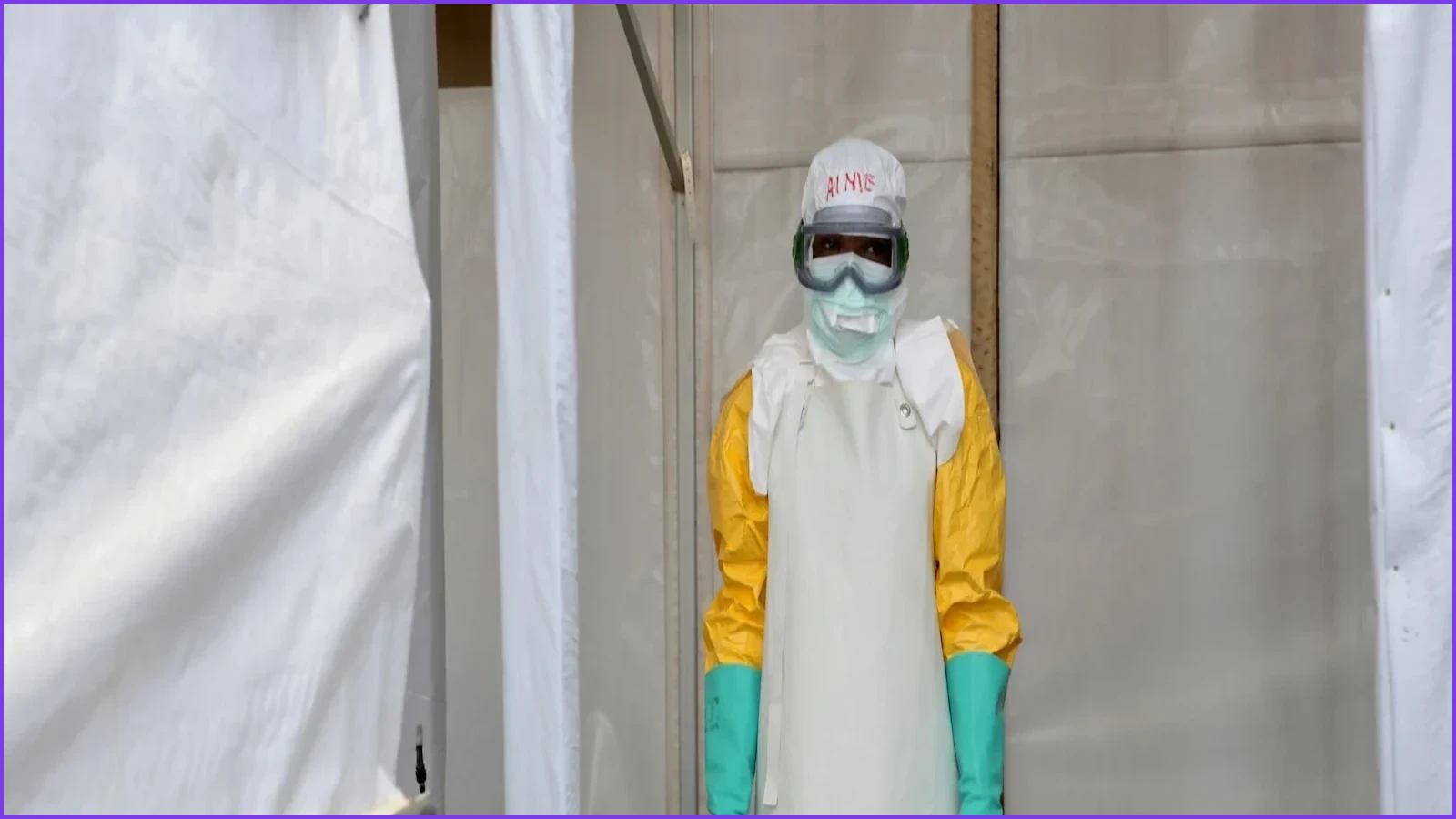
Health data indicates that children aged 4 and below are the most vulnerable, suffering from a 60% case-fatality rate in the current outbreak. The response effort has been further complicated by strikes among health workers protesting payment delays, a lack of approved vaccines or treatments, and the ongoing conflict between the government and various rebel groups in the eastern region. While Congolese authorities have begun distributing thousands of doses of the Ervebo vaccine—which the World Health Organization suggests may offer some level of protection—the situation remains precarious due to frequent attacks on health personnel and intense population movement.