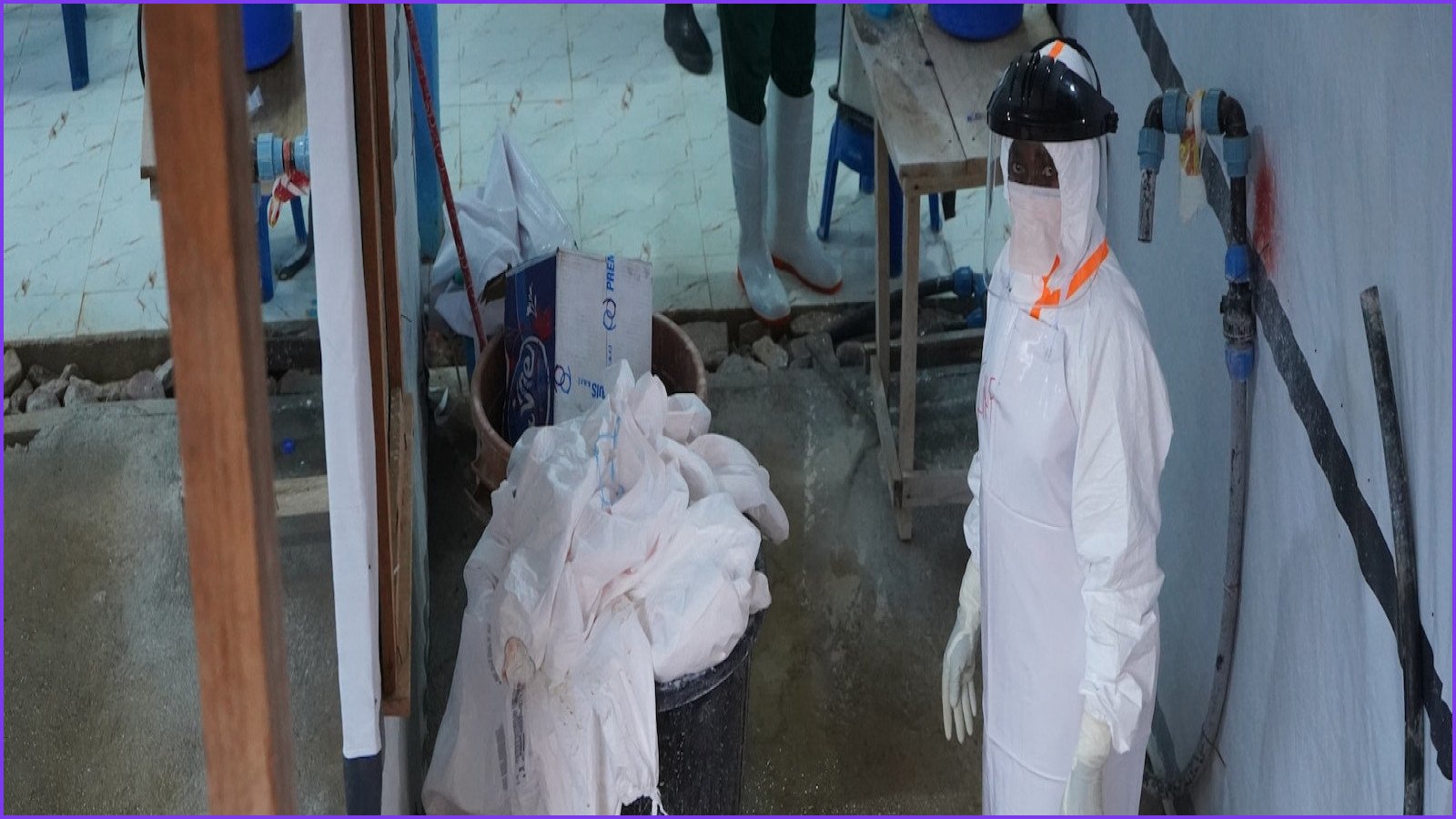
Official data released between Tuesday night and Wednesday indicates that the Ebola outbreak in eastern Congo has reached a grim milestone, with at least 999 people confirmed dead. This surge marks the fastest-spreading Ebola outbreak ever recorded. The crisis, which was officially declared on May 15, is particularly dangerous because the specific strain involved, the Bundibugyo virus, currently lacks any approved vaccines or medical treatments.
This outbreak is outpacing even the 2013-2016 epidemic, which is widely considered the worst in history with over 11,000 deaths from at least 28,000 cases. In that instance, it took approximately eight months for the death toll to reach 1,000, a threshold the current outbreak has hit significantly faster. Ebola is a highly contagious and severe disease that spreads through bodily fluids such as blood, vomit, or semen.
Health officials face significant hurdles in controlling the virus, as 80% of new infections are occurring through unknown chains of transmission. This suggests that the disease is spreading more rapidly than response teams can track, even as efforts are intensified in the epicenter of Ituri province and four other affected provinces. Robert Ndjalonga, the head of civil protection in Ituri, noted that community resistance remains a primary obstacle. Many residents refuse to allow official burial teams to conduct safe and dignified funerals, preferring traditional practices that increase the risk of transmission. On multiple occasions, security forces have been required to escort burial teams to prevent incidents.
The response is further hampered by shortages of burial supplies and a lack of operational teams in certain health zones. Additionally, violence targeting health facilities has forced aid groups and medical personnel to retreat from some areas. Some health workers have even initiated strikes, citing a lack of payment since the outbreak's inception. Recent hostility was evidenced when a vehicle carrying a burial team in Bunia was pelted with stones by assailants. In Irumu territory, local administrators have urged citizens to support health workers, framing the Ebola virus as a more significant threat than the local Islamic State-affiliated Allied Democratic Forces insurgency.
Dr. Jean Kaseya, Director-General of the Africa Centres for Disease Control and Prevention, addressed the crisis at an Africa health summit in Ghana, warning that failure to stop the outbreak immediately could result in one of the most devastating Ebola events ever documented. Current data from the Africa CDC indicates that less than 9% of contacts from confirmed cases are being actively monitored, far below the necessary threshold for containment. Furthermore, over 60% of deaths are occurring within communities before patients can access medical care. Pierre Akilimali, the Ebola response incident manager at the National Public Health Institute of the Democratic Republic of the Congo, stated that these high community death rates indicate that many infections are going undetected or are not being isolated quickly enough to break the cycle of transmission.