The World Health Organization (WHO) has revealed that the current Ebola outbreak in eastern Congo, which has become the fastest-growing on record, actually began in February. This timeline places the start of the virus months ahead of the official declaration made on May 15. Dr. Mohamed Yakub Janabi, the WHO regional director for Africa, noted that early cases were initially misidentified as typhoid or malaria, allowing the virus to gain a significant head start on health responders.
This outbreak is driven by the rare Bundibugyo virus, which lacks approved vaccines or existing treatments, further complicating containment. Because initial testing focused on the more common strains of Ebola, critical time was lost during the early stages. Dr. Janabi acknowledged the difficulty of the situation, stating that responders are effectively chasing a virus that is currently moving faster than their efforts to control it.
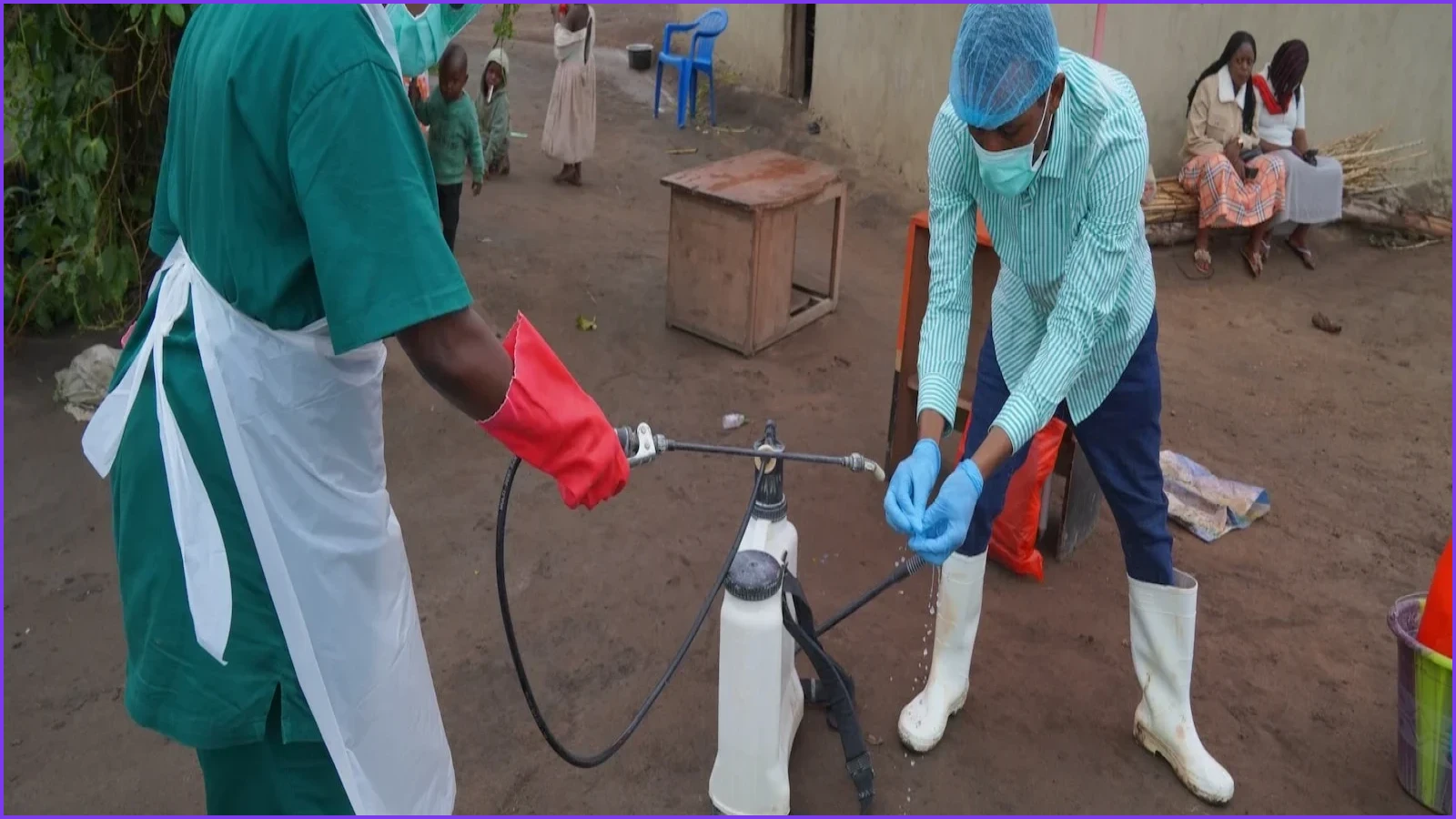
The situation is unfolding in one of the most difficult environments imaginable. Health teams are battling logistical hurdles on remote, unpaved roads while facing shortages of essential protective equipment. Furthermore, the response is hampered by misinformation, threats from local rebel groups, and strikes by unpaid health workers. The region, already traumatized by years of conflict near the borders of Uganda, Rwanda, and South Sudan, is seeing local populations avoid health centers, with some pregnant women fearing the virus enough to stay away from medical care entirely.
Data indicates that between 60% and 70% of new cases are being identified outside of existing monitored contacts, signaling an alarming rate of spread. WHO Director-General Tedros Adhanom Ghebreyesus recently highlighted that in certain hot spots, new cases are doubling. This outbreak is currently killing people at a faster rate than the 2014-2016 West Africa epidemic, which is considered the worst in history with over 11,000 deaths from at least 28,000 cases. That previous event took roughly eight months to reach 1,000 fatalities, whereas the current crisis is outpacing that timeline.
Ebola remains a highly contagious disease, transmitted through bodily fluids like blood, vomit, or semen, as well as contact with contaminated items such as clothing or bedding. Similar to the 2014-2016 crisis, which was declared in March 2014 despite the first case occurring in December 2013, the current delay in identification has left authorities struggling to catch up with the virus's rapid progression.