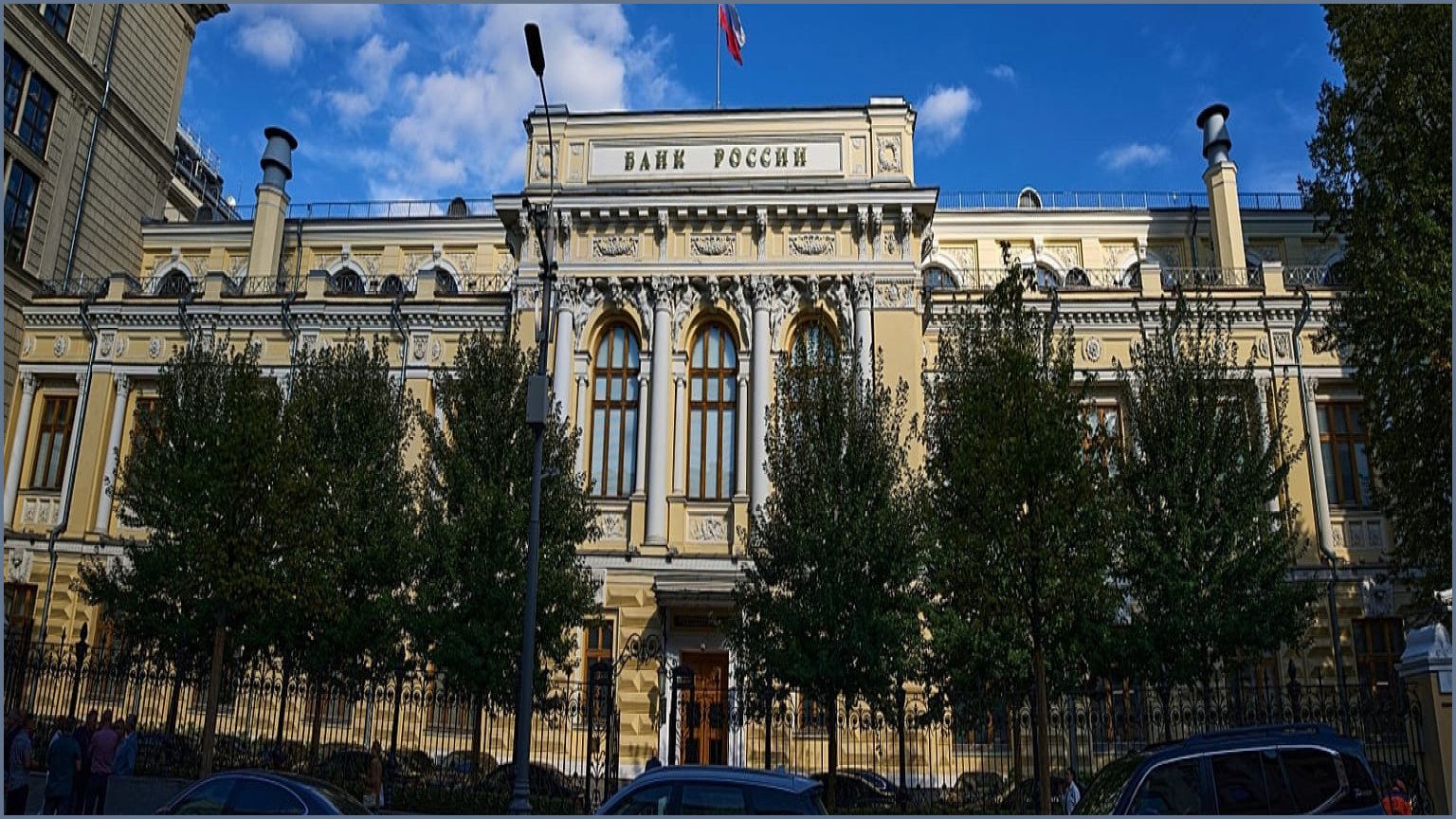
The European Commission indicated on Friday that the immobilization of Russian Central Bank assets is not the current primary focus, despite mounting pressure from various member states to leverage the €210 billion in funds for Ukraine's support. A coalition including Sweden, the Netherlands, Poland, and Spain, with backing from Baltic nations, has urged the executive branch to explore new legal avenues to access these assets. Ukraine has also supported this initiative, proposing the creation of an EU-owned custodian to manage the funds currently held at the Brussels-based depository Euroclear.
This push gained further momentum when a cross-party group of 122 European Parliament members wrote to the Commission this week, requesting a reopening of political discussions regarding the assets and urging the advancement of the custodian proposal to bypass Belgian objections. However, Paula Pinho, the Commission's chief spokesperson, sought to temper these expectations on Friday. She stated that while the work on this issue was extensive, the current focus of the Commission lies elsewhere.
According to Pinho, the Commission's priorities are twofold: continuing the gradual disbursement of a €90 billion loan designated for Ukraine's financial and military assistance, and working alongside the Ukrainian government and the International Monetary Fund (IMF) to determine the exact scope of the country's budget shortfall. Last month, President Volodymyr Zelenskyy surprised allies by requesting coverage for a $27 billion (€23 billion) deficit in the Ministry of Defence, while Kyiv has also reported €32.6 billion in uncovered budget requirements for the coming year. EU and IMF officials are currently attempting to verify the nature and origin of these figures.
Pinho noted that the Commission intends to assess Ukraine's financial needs before discussing potential tools to address them, emphasizing that the assets remain a potential, though not immediate, instrument. Meanwhile, Economy Commissioner Valdis Dombrovskis expressed readiness to re-engage on the matter but noted the necessity of ensuring that a consensus can be reached among member states. Belgium maintains its previous objections, and Euroclear continues to navigate a legal challenge initiated by the Russian Central Bank.
Since then, EU and IMF officials have been scrambling to understand the nature and the origin of the eye-popping number.
"We left it in December at a very important discussion at the European Council. We never said that it was out of the table. It remains there as a tool," Pinho said.