Brazil’s Ministry of Indigenous Peoples announced on Friday the signing of a memorandum of understanding with Peru’s Ministry of Culture. This agreement aims to bolster cooperation in safeguarding Indigenous territories, with a specific focus on protecting isolated populations living along the border between the two nations. Although the deal has been under negotiation since 2024, the government expects the formal framework to be published in the coming weeks. It will establish a structured process for sharing information and coordinating security efforts across the region.
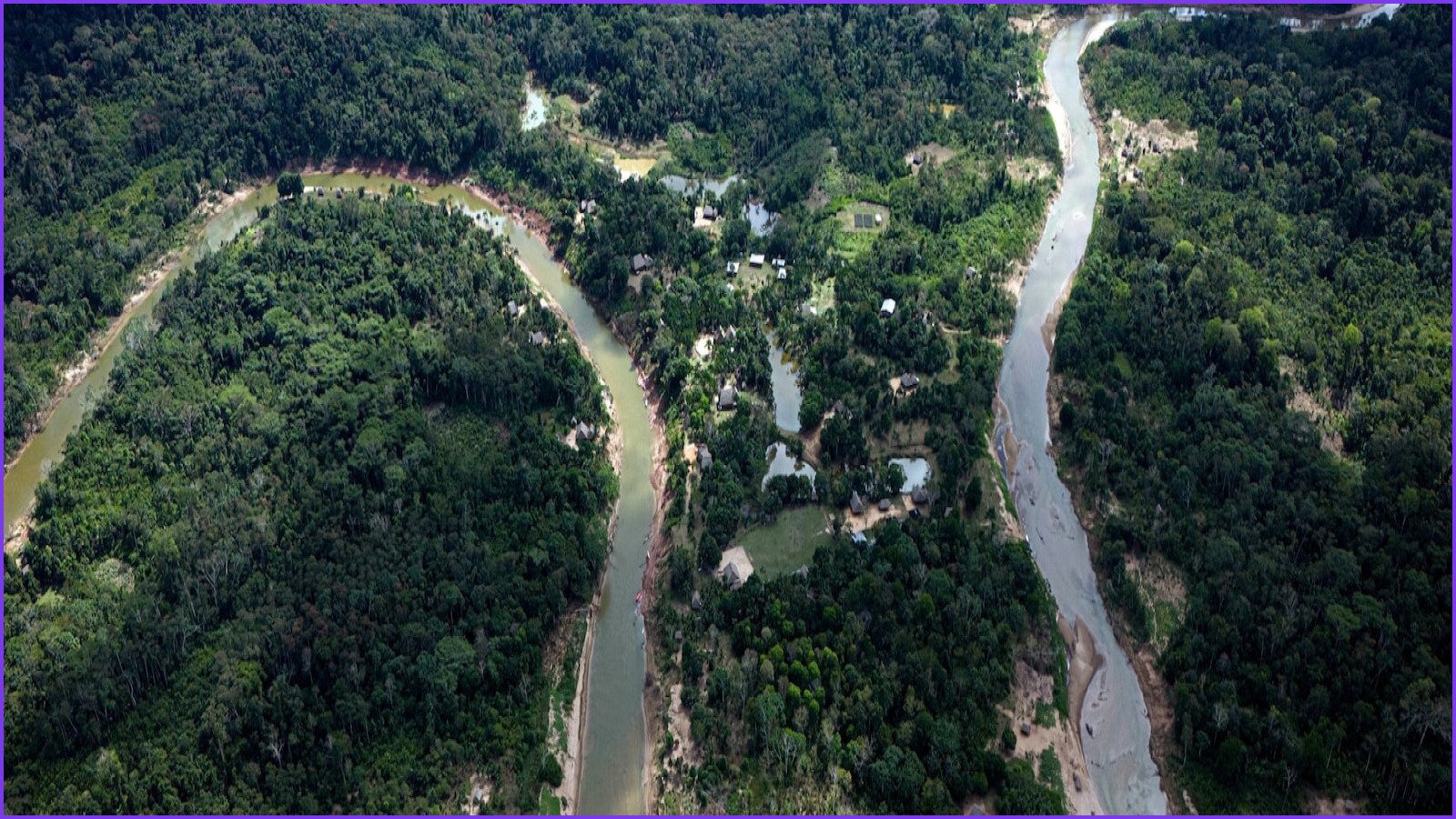
The diplomatic move follows urgent appeals from Ashaninka Indigenous leaders, who recently traveled to Brasilia to meet with federal officials. Their requests were prompted by an incursion earlier this month, during which five armed men wielding machine guns invaded their territory, threatened local families, and attempted to locate community leaders. The Ashaninka territory, situated in the western Amazon, straddles the border between Brazil and Peru.
Brazilian authorities emphasized that protecting these communities requires a unified response to shared dangers, including illegal land invasions, environmental crimes, and mounting pressure on traditional territories. Criminal groups and drug traffickers have increasingly targeted Ashaninka lands, utilizing Amazonian rivers and surrounding areas for illicit trafficking routes. Experts have identified this expansion as part of a broader transformation of the border region, often referred to as the Solimoes River route.
In response to the recent violence, the Brazilian federal police have launched an investigation. On Monday, they initiated a joint operation alongside state authorities to combat criminal organizations, drug trafficking, and other cross-border offenses. Additionally, the Brazilian Army confirmed it has reinforced its presence in the area by deploying approximately 30 troops. While the Army continues to patrol the region and notes that preliminary evidence suggests the armed invaders were Peruvian nationals who crossed into Brazil, various Indigenous groups have expressed criticism, arguing that such military deployments are often temporary solutions to permanent threats. As of Friday, Peru’s Ministry of Culture had not provided a comment on the agreement.