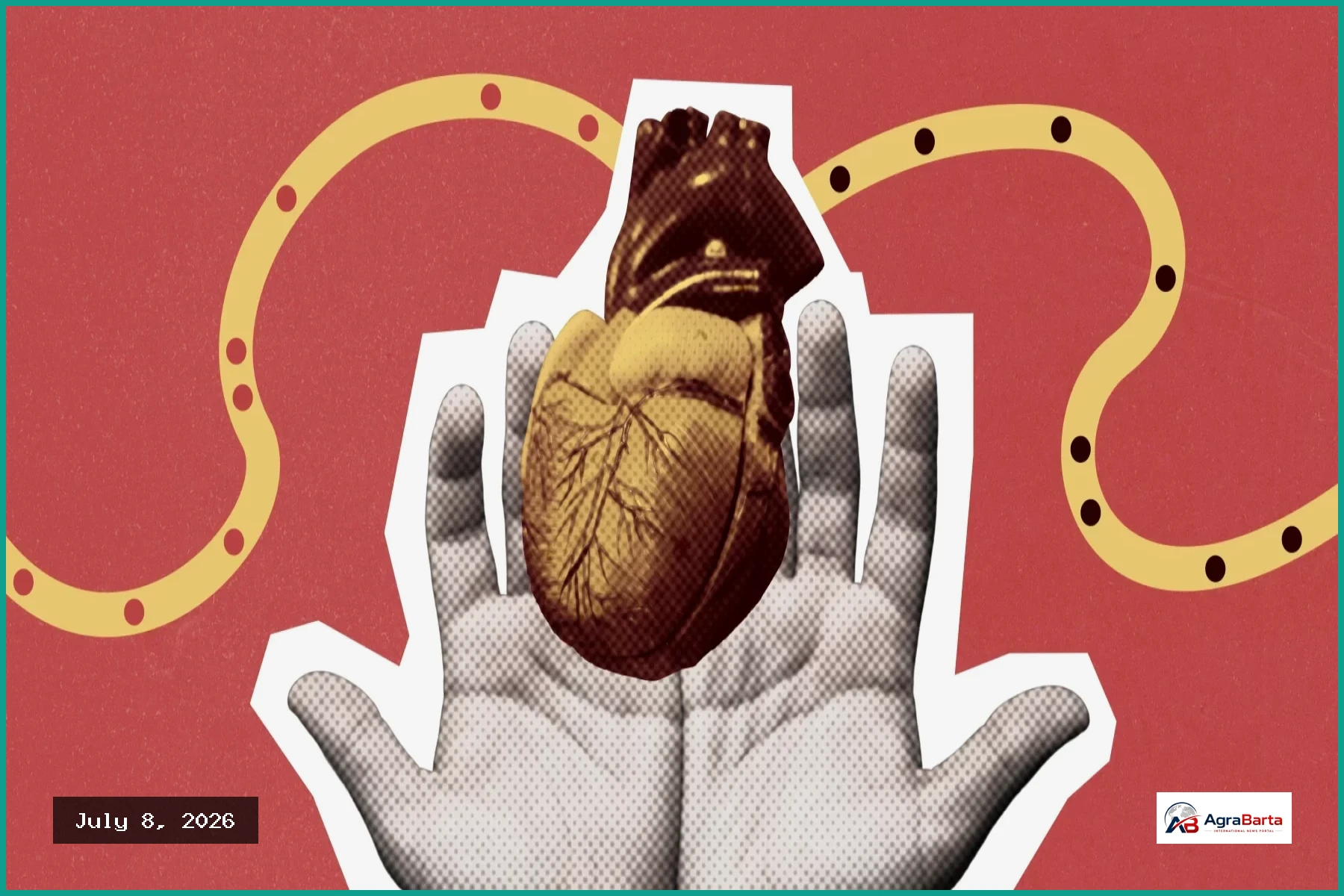
A provocative new proposal, referred to as “Death by Organ Donation,” is challenging the long-standing medical principle that patients must be dead before their organs are harvested. The concept, outlined in a paper published in the New England Journal of Medicine, suggests that euthanasia patients could choose to donate their organs by undergoing anesthesia and having their organs removed while still functioning, rather than waiting for death to be declared after a lethal drug injection.
Dr. Robert Truog, a physician and bioethicist at Harvard Medical School and co-author of the paper, argues that this approach aligns with patient autonomy and altruism. He suggests that current methods, which involve administering lethal drugs before organ removal, often compromise the quality of organs, particularly the heart. Truog believes that offering this option would allow patients to make a more significant “lasting gift” to others, framing it as a generous choice that should not be denied.
The proposal has ignited a sharp divide among bioethicists. Ruth Faden of Johns Hopkins University notes that while the idea initially seems “creepy,” it warrants critical examination if society is committed to respecting the end-of-life autonomy of individuals. She emphasizes, however, that rigorous safeguards would be essential to ensure informed consent and prevent abuse.
Conversely, other experts are deeply critical. But the idea is controversial for a variety of reasons, including because it goes against fundamental principles that have guided organ donation for decades. The Dead Donor Rule requires that patients must be dead before any organs are removed. Doctors also can’t kill patients in the process of removing organs. Lainie Friedman Ross, a bioethicist at the University of Rochester, characterized the practice as “murder,” arguing that there are fundamental limits to consent and that surgeons should not be placed in a position where they turn a living person into a dead one during an operation. Similarly, Lori Andrews, a professor emerita at the Chicago-Kent College of Law, warned that the practice could severely damage public trust in both the organ donation system and end-of-life care, potentially evoking fears of “body snatchers.”
Critics also express concern that such a policy could eventually expand to include physician-assisted suicide or even hospice patients. Despite these fears, proponents like Dr. Carter Winberg, a Canadian critical care physician and co-author of the study, maintain that for those already choosing euthanasia, this method maximizes their altruistic goals. As countries like Canada, the Netherlands, and Spain continue to legalize euthanasia, the debate over whether to link the practice with organ procurement remains a complex and evolving ethical challenge.
"What if they chose to be organ donors? The problem is that under current standards doctors must not cause death in the process of procuring organs for transplant," Truog says.
Some other bioethicists say the argument could have merit.