In a graveyard at St. Pancras Old Church in central London, situated near the transit hub where travelers board trains for Paris, lies the final resting place of William Franklin. He died in 1813, more than three decades after he was forced to leave the nation his father fought so hard to win independence from. His burial in the capital of what was then the British Empire serves as a poignant reminder that the American Revolution was as much a civil war as it was the founding act of the United States. Historians note that the conflict, which shattered friendships and decimated families 250 years ago, remains a relevant part of the modern American experience.
James Taub, an associate curator at the Museum of the American Revolution in Philadelphia, emphasizes that American history is defined by a long tradition of disagreement. He views the Revolution as an ongoing event that continues today, with citizens actively participating in its evolution. As the country marks its 250th anniversary, it continues to grapple with the task of forming a more perfect union out of the anger and confrontation that have characterized the period since the return of Donald Trump to the White House in January 2025.
While the popular narrative often simplifies the Revolution as a story of plucky patriots banding together to defeat the mighty British Empire, the reality was far more complex. It was an eight-year war fought by people who once saw themselves as British against the armies of their former sovereign. Estimates suggest that as much as one-third of the colonial population remained loyal to King George III, and at times, loyalist Americans represented the largest contingent of troops within British forces. Enslaved Black people and Indigenous people also fought on both sides of the conflict, with allegiances often determined by who they believed was more likely to deliver freedom and justice.
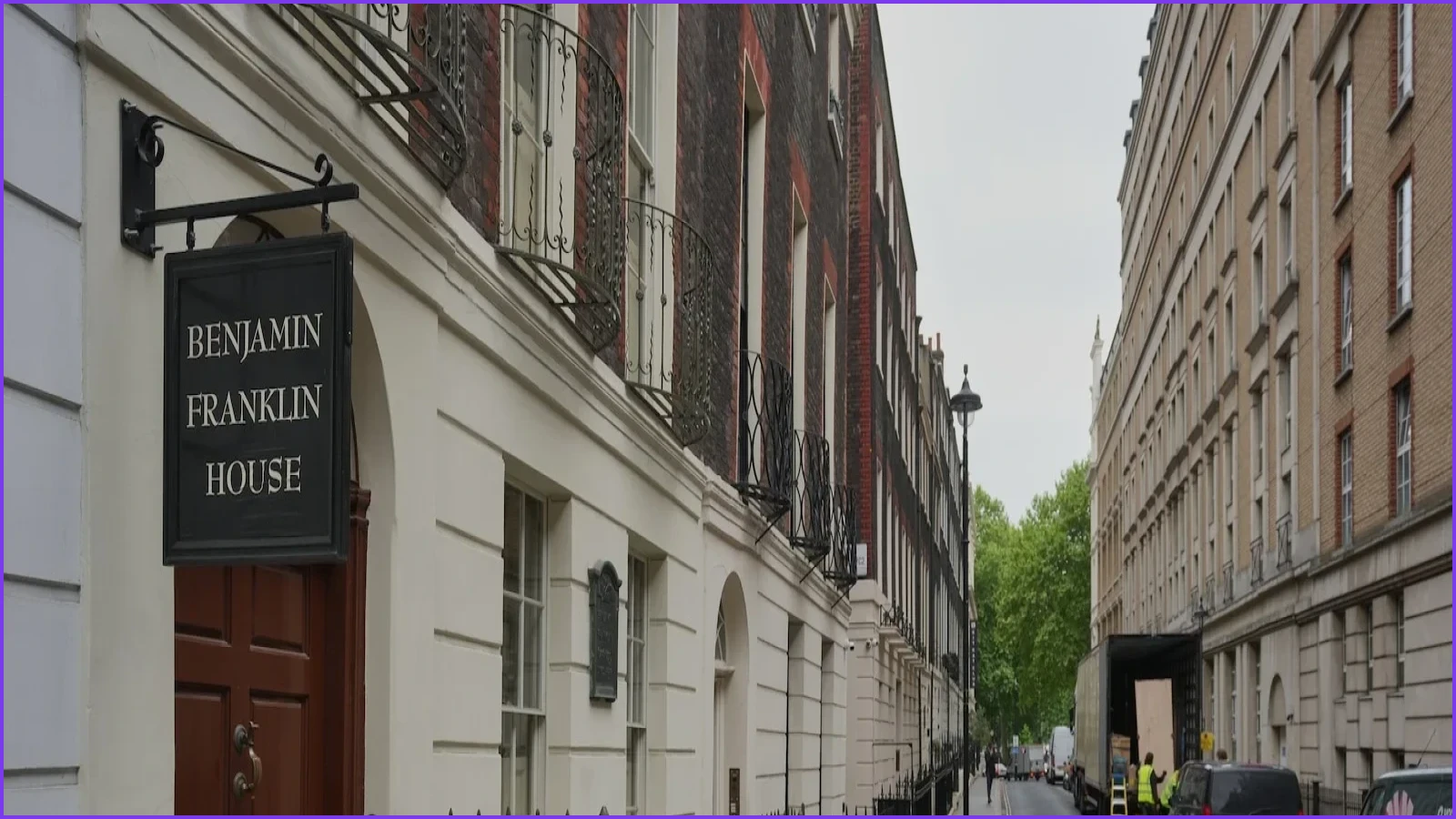
The Franklin family serves as a microcosm of this internal strife. In 1752, William stood beside his famous father during the iconic kite experiment to demonstrate that lightning was a massive electrical spark. By 1757, they traveled to London together, where Benjamin Franklin represented the colonial government of Pennsylvania. During their time in London, living at 36 Craven St.—which today serves as a museum of the Founding Father’s life—William studied law and embraced the city's culture and nightlife. In 1763, he returned to America to serve as the governor of New Jersey, a position he held for 13 years.
The divide grew insurmountable after Benjamin Franklin returned to Philadelphia in 1775. As the elder Franklin backed growing calls for independence as a member of the Continental Congress, William rejected the authority of Congress and continued to represent the king. In January 1776, forces of the emerging government arrested William, labeling him an enemy of the country’s liberty. He spent time in solitary confinement until his release in a prisoner exchange in October 1778, after which he led the loyalist community in British-occupied New York City. Following the defeat of British forces, he sailed for London in 1782 and is believed to have had only one brief meeting with his father before Benjamin’s death in 1790.
Author Daniel Mark Epstein, who documented their strained relationship in his book, "The Loyal Son: The War in Ben Franklin’s House," explains that Benjamin repeatedly warned his son of the risks posed by his royal ties. Despite these warnings, William refused to compromise. Epstein notes that William was the last governor to vacate his office, eventually being removed in irons. Epstein contrasts the 18th-century climate, where a highly literate population preferred debate over violence, with the current era, which he characterizes as having a crisis in education and an abundance of weapons. He argues that people today find it difficult to have rational arguments because they lack the necessary language, despite the easy availability of weapons.
Taub offers a broader perspective, suggesting that studying the complexities of the Revolutionary era can help modern Americans understand their own place in a 250-year-old mission. By recognizing the unique nature of the 1776 Declaration of Independence and the ongoing nature of the American experiment, Taub believes citizens can better navigate the tensions of the present day. He asserts that understanding this history makes him feel better about the country today, showing that Americans are part of an ongoing story and mission laid down by the people of 1776.