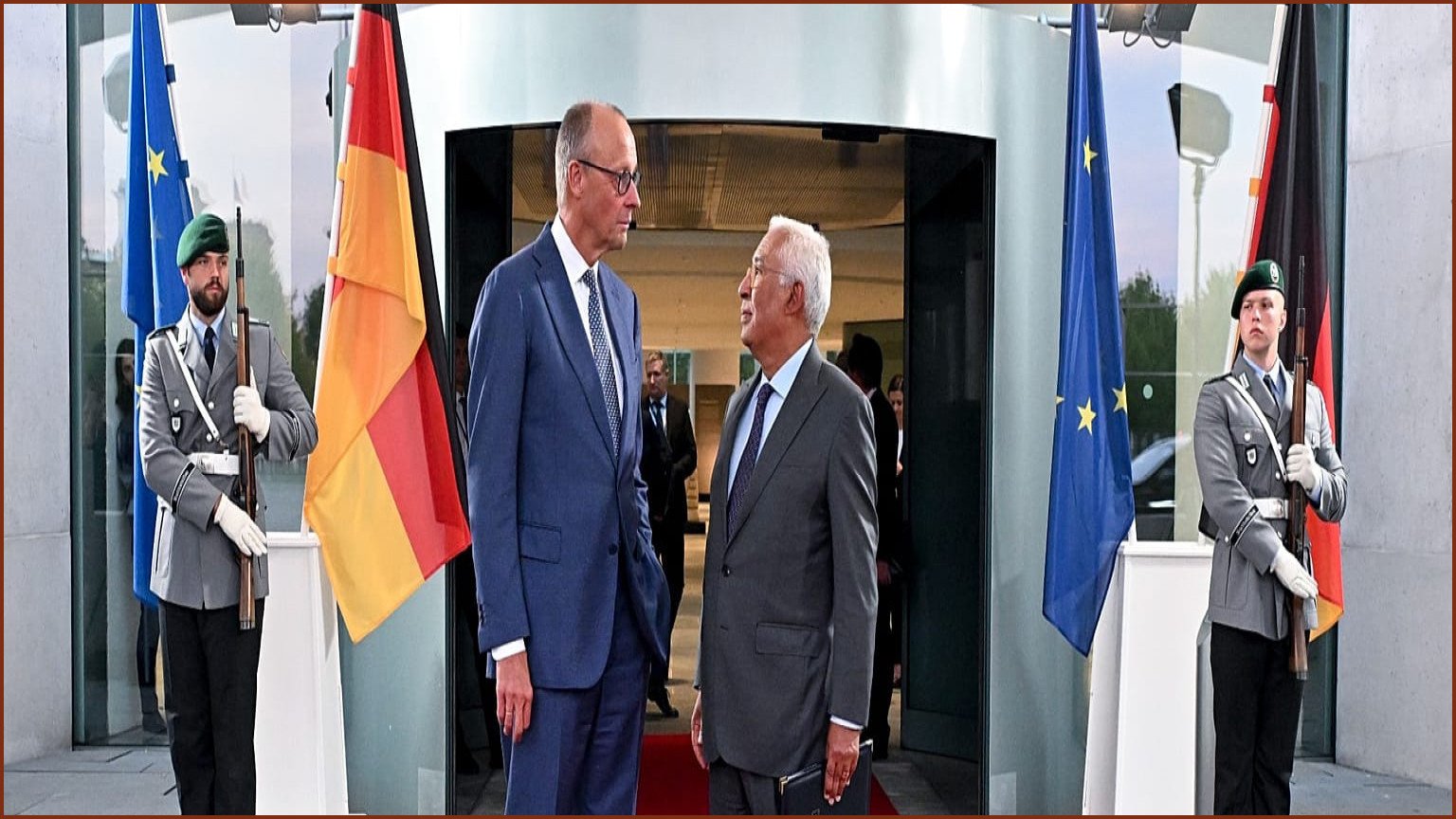
European Council President António Costa has moved to address concerns raised by German Chancellor Friedrich Merz after the latter issued an ultimatum linking the approval of the next European Union budget to mandatory financial contributions for Ukraine from all member states. In a letter reviewed by news outlets, Costa clarified that discussions regarding these two critical issues will occur during a special summit in Brussels at the end of the month, once the European Commission has officially presented its proposals to address the financial shortfall facing Ukraine.
Chancellor Merz had initially pressed to have the debate included in this week’s informal summit in Dublin. However, Costa has left the possibility open for the German leader to raise the topic with his counterparts, noting, "In light of ongoing developments, I will make time for a broad discussion on Ukraine at the upcoming informal European Council in Dublin."
The European Union has committed to covering two-thirds of Ukraine's €70 billion funding gap, which totals approximately €45 billion, through an instrument that has yet to be fully defined. Given the scale of the requirements, a new round of joint debt issuance is currently considered the leading option. Merz informed Costa that a firm commitment to provide this new aid is an "essential prerequisite" for his support of the next EU budget. This stance effectively creates a link between two contentious topics, both of which require unanimous agreement among member states.
"Supporting Ukraine is a matter of our indivisible European security, and so must be the burden sharing for that support," Merz stated in his correspondence. The ultimatum has already encountered resistance from Bulgaria, Hungary, the Czech Republic, and Slovakia. Slovak Prime Minister Robert Fico has characterized the demand as "blackmail," as these four nations seek to opt out of any future loans to Ukraine.