WASHINGTON — Dr. Anthony Fauci, the former top infectious disease expert of the United States, faced intense criticism during a three-hour Senate hearing on July 29, where he repeatedly invoked his Fifth Amendment right against self-incrimination to decline answering questions from lawmakers.
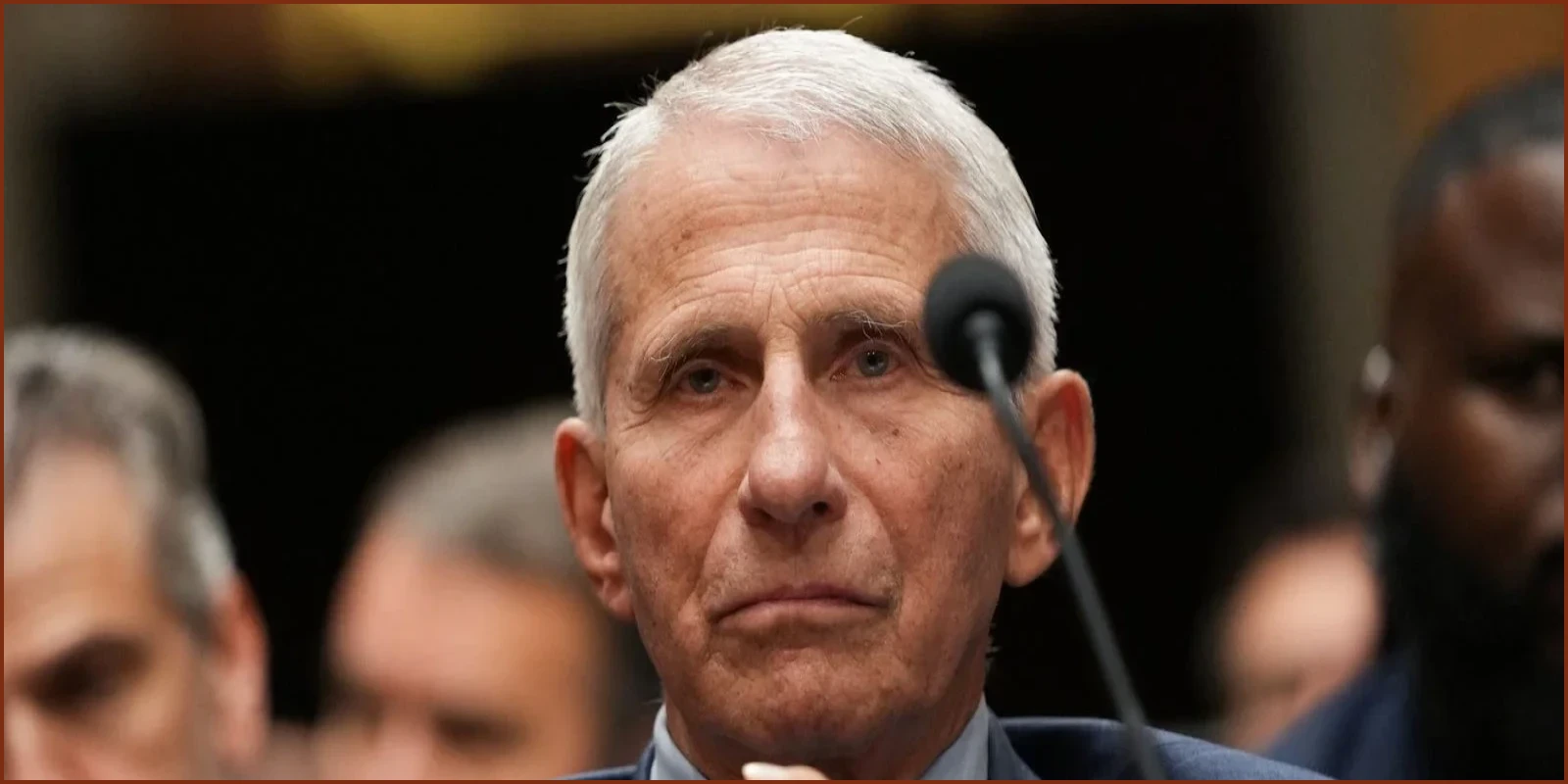
The high-stakes session before the Senate Homeland Security and Governmental Affairs Committee, chaired by Senator Rand Paul, Republican of Kentucky, highlighted the deep and ongoing political divide over the nation's pandemic response. Fauci, the 85-year-old former director of the National Institute of Allergy and Infectious Diseases (NIAID) who retired in 2022, sat stone-faced as Republican senators castigated his leadership and accused him of violating the law.
To support their accusations, committee Republicans released more than 1,100 pages of Fauci’s personal diary, arguing the documents proved he was not honest with the American public regarding the COVID-19 pandemic. Senator Josh Hawley, Republican of Missouri, mockingly asked, "Nothing says honesty like taking the Fifth, huh doc?"
Fauci explained that his decision to invoke his constitutional right was a direct response to what he termed an "unhinged" obsession by Chairman Paul, who has previously threatened him with prosecution. "The only conclusion I can reach is that the sole reason he is calling me before this committee is to get me to say something – anything – that could vindize his repeated public pledges that I end up, in his words, 'behind bars,'" Fauci stated. He added that any reasonable observer of Paul's actions would arrive at the same conclusion.
Despite Fauci's clear stance, Republican committee members continued to press him with questions, forcing him to repeatedly state that he would not answer. Steven Clark, a former Santa Clara County District Attorney in California, explained that Fauci's strategy was a standard legal defense designed to avoid potential perjury charges in what he described as a "gotcha hearing." Clark noted that taking a blanket Fifth Amendment stance is necessary because witnesses cannot selectively choose which questions to answer, adding that the move does not imply guilt, even if the public optics are unfavorable.
Senator Paul announced at the conclusion of the hearing that the committee plans to vote next week on whether to hold the retired official in contempt of Congress for his refusal to testify. Paul argued that Fauci's constitutional privilege was "unsupported" due to a blanket pardon granted to him by former President Joe Biden on the day Biden left the White House. The pardon shielded Fauci from federal prosecution for any potential criminal offenses committed between 2014 and 2025. Because the committee's questions were limited to this period, Paul contended that the Fifth Amendment protection against self-incrimination did not apply. Additionally, Paul claimed Fauci had waived his privilege by delivering an opening statement to the committee.
However, legal analysts point out that Paul's effort to hold Fauci in contempt rests on legally vulnerable grounds. Biden's presidential pardon does not protect Fauci from potential state or local charges, nor does it shield him from perjury accusations regarding any statements he might make to Congress in 2026.
Because Fauci maintained his silence, he did not address specific policy challenges raised by the senators. Senator Ron Johnson, Republican of Wisconsin, questioned Fauci on the health risks associated with COVID-19 vaccines and the effectiveness of alternative treatments such as ivermectin. Senator Rick Scott, Republican of Florida, asked whether Fauci had ever destroyed government records or was aware of anyone else doing so. GOP Senator Ashley Moody recalled Florida's opposition to federal social distancing guidelines, stating, "We fought back. We got ridiculed for it. We are now called the free state of Florida." Throughout these inquiries, Fauci remained silent, occasionally shifting a pen between his hands, scratching an eyebrow, or steepling his hands above the table.
With the former NIAID director refusing to engage, Republican senators focused on dismantling his professional legacy. Senator Bernie Moreno, Republican of Ohio, told Fauci, "You may have had a 50-plus-year legacy of public service, but it ends in total and complete disgrace." Moreno then demanded, "Will you apologize? Just apologize to the people who you harmed through your actions."
Senator Hawley also targeted Fauci's silence by asking simple, non-political questions, such as the day of the week, the color of his tie, and the color of the carpet. When Fauci repeated his refusal to answer, Hawley said, "A million people dead, and you’re here taking the Fifth because you don’t want to admit that what really happened in all that time was a multi-month, multi-year course of self-dealing. Isn’t that true, Dr. Fauci?" Hawley added, "Silence is admission."
Meanwhile, Democratic members of the committee defended Fauci, praising his decades of public service and characterizing the hearing as a politically motivated attempt at "entrapment." Senator Andy Kim, Democrat of New Jersey, thanked Fauci for his service and expressed concern that such aggressive public inquisitions would deter qualified individuals from entering public service. "It's sending signals to others, others who are thinking about serving our country… that if you don't get in line with the politics that you will also be potentially be subject to attacks," Kim warned. He noted that leaders must make difficult decisions with limited information during a pandemic, adding that "there is nothing perfect, no perfect clarity when it comes to pandemics."
Senator Maggie Hassan, Democrat of New Hampshire, also commended Fauci's career and criticized the committee's approach. Eventually, the Democratic members walked out of the hearing room in protest, leaving the Republican senators to continue their questioning and statements without any opposing views or rebuttals.