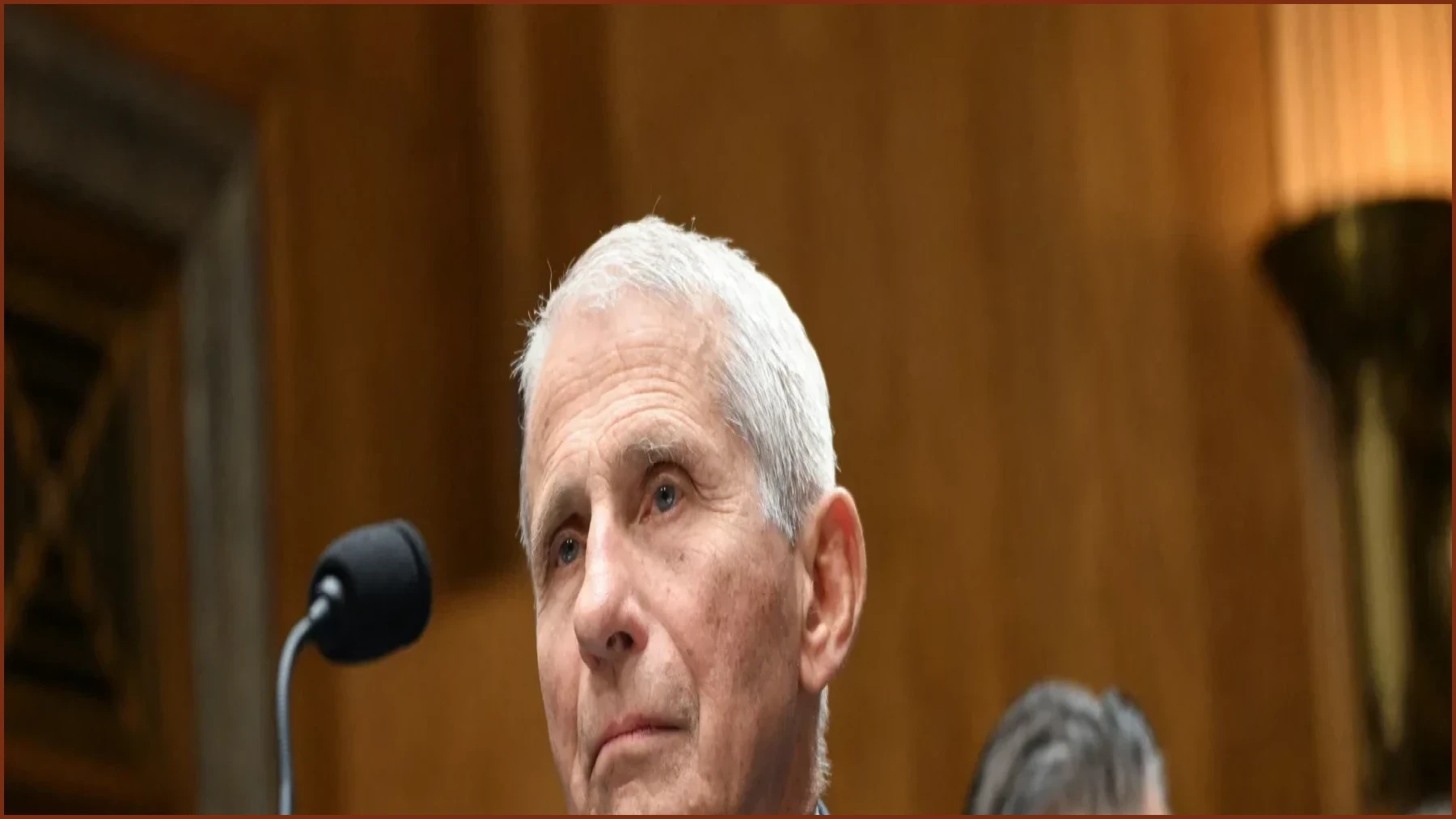
Senator Rand Paul, R-Ky., has issued a threat to hold Dr. Anthony Fauci in contempt of Congress. The move follows a Senate Homeland Security and Governmental Affairs committee hearing on July 29, 2026, in Washington, D.C., where Dr. Fauci invoked his Fifth Amendment rights, declining to answer inquiries regarding the COVID-19 pandemic. Dr. Fauci, who served as the nation's leading infectious disease expert throughout the health crisis, has maintained a long-standing public disagreement with Senator Paul concerning the origins of the virus.
The tension between the two escalated significantly just days before the committee hearing, when Senator Paul released over 1,000 pages of Dr. Fauci’s private diary entries from the pandemic period. In releasing these documents, Paul accused the former official of concealing the truth about how the COVID-19 pandemic began. The confrontation in the Senate chamber marks the latest development in their ongoing clash over the government's handling of the virus and the transparency of its origins.
In separate developments impacting federal policy, the Trump administration has introduced a rule change affecting the asylum process. Under the new guidelines, asylum officers are now permitted to refer specific cases directly to immigration court without first conducting an interview with a U.S. Citizenship and Immigration Services (USCIS) officer. Historically, these interviews provided asylum seekers the opportunity to present their case before being referred to court or moving forward in the process. This adjustment occurs as the administration continues to restrict asylum eligibility and narrow pathways for those seeking protection, with approval rates currently at their lowest point in at least two decades. The change also coincides with a period where hundreds of thousands of individuals facing the loss of Temporary Protected Status (TPS) are seeking alternative ways to remain in the United States, including asylum applications.
Furthermore, the Trump administration is moving to eliminate subsidies that have maintained the affordability of Medicare drug coverage, a shift that could result in increased premiums for millions of beneficiaries in the coming year. While the Inflation Reduction Act of 2022 established a $2,000 cap on out-of-pocket prescription costs for Medicare patients starting in 2025 to assist seniors, the subsequent Medicare subsidies—originally intended to run through 2027—are now scheduled to end a year early. This decision has created financial uncertainty for insurers who were managing the increased responsibilities under the cap, potentially leading to higher costs for those enrolled in the program.
Amid these domestic policy shifts, environmental challenges persist across the country. An air tanker drops retardant while battling the Bench fire on Saturday, July 25, 2026, in Jefferson County, Ore., as captured by Noah Berger/AP.
Camp Widjiwagan sunk some of their canoes to protect them from the wildfires. YMCA of the North hide caption
Summer break is an exciting time for many kids, but this year has been tough. Extreme weather has cast a shadow over their fun. Sweltering heat waves, heavy rain and thick wildfire smoke have often made outdoor activities dangerous. Research shows that as the climate warms, primarily due to fossil fuel use, we experience more intense and frequent heat waves, droughts, hurricanes and floods. Here's how camps and children have been affected by these weather conditions: