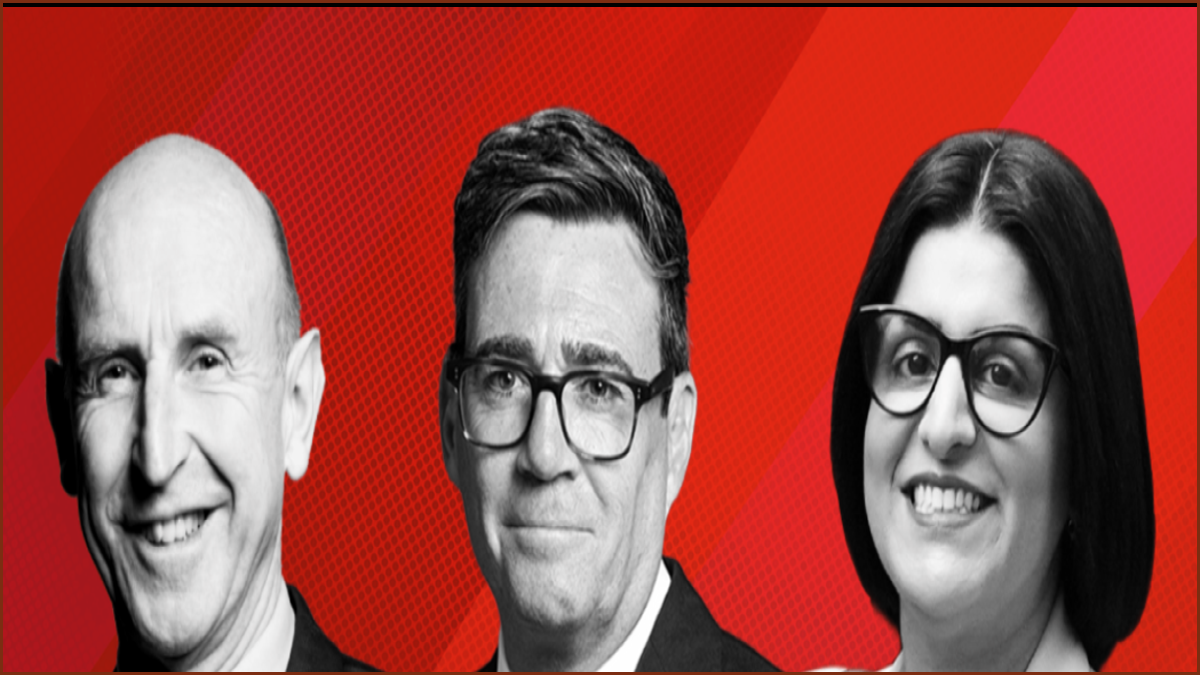
Prime Minister Andy Burnham has officially commenced the formation of his new cabinet following the resignation of Sir Keir Starmer. Burnham secured the leadership after winning the backing of 379 of Labour's 403 MPs as the preferred successor to Starmer. Born in Aintree in 1970, Burnham was inspired to join the Labour Party in his teens by the miners’ strike and first became an MP in 2001. A former health secretary who twice failed to secure the party leadership—losing to Ed Miliband in 2010 and Jeremy Corbyn in 2015—he later served as the mayor of Greater Manchester. He returned to Parliament as the MP for Makerfield in June and succeeded Sir Keir Starmer one month later. A lifelong Everton fan and sports enthusiast, Burnham was previously a member of Labour's Demon Eyes FC football team during the Tony Blair era.
In his new role, Burnham has pledged to shift power away from Whitehall, introduce greater public control over the water and energy sectors, and prioritize the construction of more council houses. He has committed to maintaining Labour’s election pledge not to raise the main rates of income tax, VAT, or National Insurance. As he builds his government, he has made several significant appointments to his cabinet.
John Healey has returned to the cabinet as the Chancellor of the Exchequer, a surprise appointment coming less than two months after he resigned as defence secretary. In his previous resignation letter, Healey had been highly critical of the government's defence spending plans, arguing that Sir Keir Starmer had been unable and the Treasury unwilling to commit the necessary resources to defend the country. The MP for Rawmarsh and Conisbrough previously served as parliamentary private secretary to Gordon Brown from 1999 to 2001 and held various ministerial roles between 2001 and 2010. He is recognized internationally for his established links with economic allies in the United States, the Middle East, and Europe.
Louise Haigh, one of Burnham’s closest allies, has been appointed as the Chancellor of the Duchy of Lancaster, First Secretary of State, and Cabinet Office minister. In this capacity, she will lead the department responsible for supporting the prime minister and coordinating government policy. Since entering Parliament as the MP for Sheffield Heeley in 2015, Haigh has been noted for her work ethic, once being named the hardest-working new MP in 2016. A former special constable and Unite union shop steward, she became the first person to resign from Starmer’s cabinet as transport secretary in 2025 after admitting to a fraud offence from 2013. On the backbenches, she emerged as a key power broker for the party's soft left and was central to the 2025 rebellion against government welfare cuts.
Ed Miliband has been named the new foreign secretary, moving from the energy and net zero brief he held since Labour returned to power. The MP for Doncaster North since 2005, Miliband has been a fixture in Labour politics for decades, having served as a special adviser to Gordon Brown and as a former party leader following the 2010 general election. Despite speculation that he might become chancellor, he now takes on the foreign office, where he continues to advocate for the party's green power transition as a means to secure national security and social justice.
Shabana Mahmood remains in her position as Home Secretary, a role she has held since September 2025. Responsible for policing in England and Wales, national security, and immigration, she is viewed by many Labour MPs as a hardliner on the immigration brief. Shortly after her initial appointment, she implemented sweeping changes to the UK’s asylum system, dismissing criticism from within her own party. The Birmingham Ladywood MP previously served as a national campaign co-ordinator and oversaw the 2021 Batley & Spen by-election victory.
Yvette Cooper continues in the cabinet but has transitioned to the role of health and social care secretary, having previously served as foreign secretary and home secretary under Sir Keir Starmer. First elected as an MP in 1997, she has held numerous high-profile positions, including work and pensions secretary and the first female chief secretary to the Treasury. She is also noted for being the first minister to take maternity leave during her time in office.
Pat McFadden remains the work and pensions secretary, a position he has held since September 2025. A former adviser to Sir Tony Blair and the MP for Wolverhampton South East since 2005, McFadden was a primary architect of Labour’s 2024 election victory. He has previously served as a business minister and as the chancellor of the Duchy of Lancaster, where he was responsible for running the Cabinet Office.
Tap or click on a cabinet member in our interactive guide below to learn more about them and their role in government. The guide will be updated as new appointments are made.
Among other firsts in her political career, the former journalist became the first minister to take maternity leave, and she was one half of the first married couple in the cabinet – alongside her husband, former education secretary and Strictly Come Dancing contestant, Ed Balls.