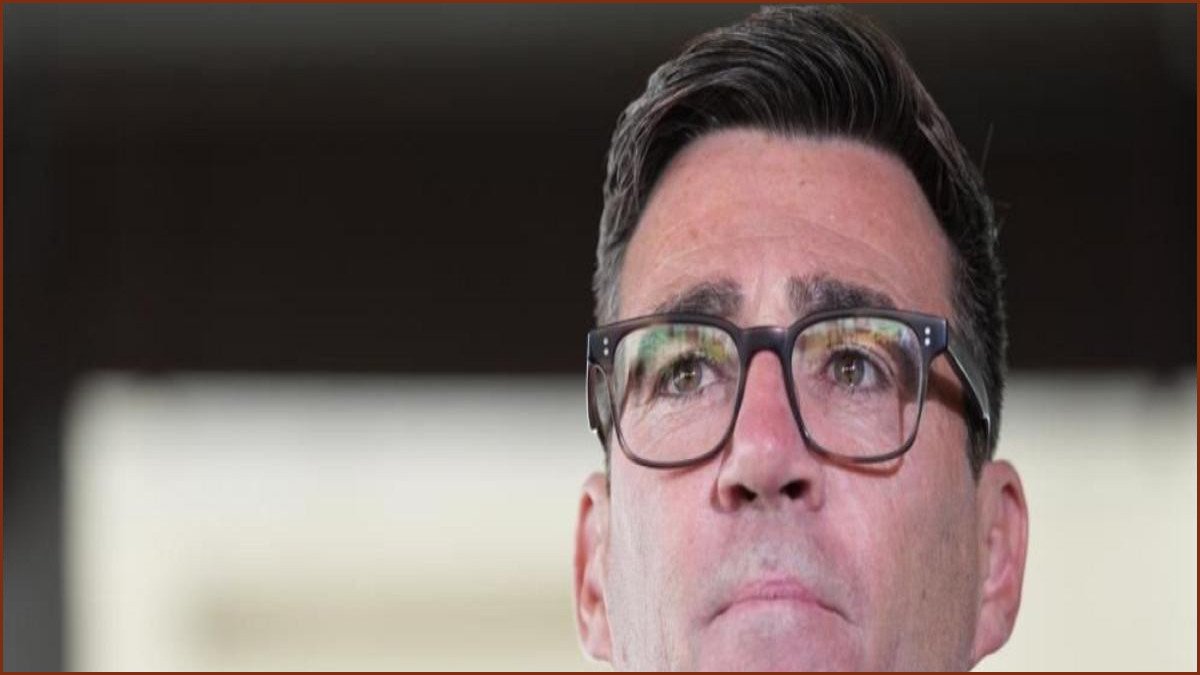
By lunchtime today, the United Kingdom will officially have its fifth prime minister in just four years. This rapid succession serves as a pithy summary of the current state of British politics. Since the summer of 2022, when Boris Johnson was preparing to leave office, the nation has seen Liz Truss, Rishi Sunak, and Sir Keir Starmer hold the position. Andy Burnham, who is set to take over, has indicated he is "acutely conscious" of this high level of churn at the top. While some critics within and outside the Labour Party may offer a wry smile at his arrival, given his long-standing political ambitions, Burnham faces a challenging national mood defined by impatience and fragmented political support in the post-pandemic, post-Brexit 2020s.
The backdrop to Burnham’s arrival is the widespread public feeling that life has become increasingly difficult, a trend that has left recent governments deeply unpopular. This was the same environment Sir Keir Starmer faced 746 days ago when he arrived on a sunny July day. Burnham is now determined to buck this trend of unpopularity. He plans to hit the ground running, aiming to maintain the leadership style he cultivated as the mayor of Greater Manchester. While he will inevitably have to adapt to the formal requirements of the House of Commons and meetings with the King—which will likely necessitate wearing a suit more frequently than he has in recent years—he is expected to intentionally ditch other long-standing conventions.
Reports suggest that Burnham may forgo the use of a traditional lectern for his first speech as prime minister outside 10 Downing Street this Monday. Furthermore, he is reportedly keen on hosting "People's Question Time" events, which would involve direct question and answer sessions with voters across the country. Before these changes take effect, Sir Keir Starmer will conclude his tenure. After spending his final weekend at Chequers, the prime minister’s country retreat in Buckinghamshire, Starmer is expected to give a brief address—utilizing a lectern—before traveling to meet the King and formally stand down.
Starmer’s team has expressed pride in his achievements, specifically citing efforts to reduce immigration and NHS waiting lists in England, as well as initiatives to lift children out of poverty and the introduction of a social media ban for teenagers. A modest gathering of staff and supporters is expected to mark his departure, with some overlap anticipated between those supporting the outgoing prime minister and those welcoming his successor. Following the transition, the afternoon and evening will see the announcement of cabinet appointments. There is significant anticipation regarding who will secure major roles such as chancellor, home secretary, and foreign secretary. Potential candidates being watched include Shabana Mahmood, Wes Streeting, Ed Miliband, Angela Rayner, and Lucy Powell. Additionally, the new government is expected to appoint a cabinet minister specifically focused on artificial intelligence.
These appointments will provide early insight into how Burnham intends to govern and how he will balance the operations of No 10 Downing Street with his established office in Manchester, referred to as No 10 North. The new prime minister’s immediate priorities are expected to include addressing the cost of living and energy bills. While the rapid turnover of prime ministers has become a familiar occurrence, the significance of these coming hours remains high, as the decisions made today will have a major bearing on how the country is governed in the weeks, months, and years ahead.